仿鼓如意壶
Explore this classic Yixing pottery design and its significance in tea culture
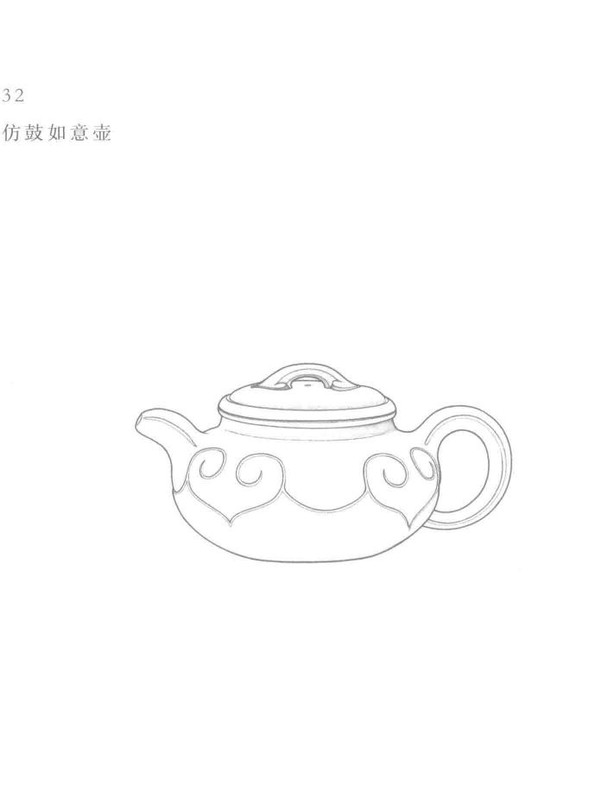
The Fang Gu Ruyi Hu: Where Drum Rhythms Meet Tea Ceremony
When you first encounter a Fang Gu Ruyi Hu (仿鼓如意壶), you might feel like you’ve stumbled upon a piece of ancient Chinese music frozen in clay. This isn’t just another teapot—it’s a conversation between percussion and pottery, a design that captures the essence of traditional Chinese aesthetics while serving the practical needs of serious tea drinkers.
The name itself tells a story. “Fang Gu” translates to “imitating drum,” while “Ruyi” refers to the auspicious S-shaped ornamental object that symbolizes wishes fulfilled. Together, they create a teapot that’s both grounded in earthly rhythm and elevated by spiritual aspiration. It’s the kind of design that makes you slow down and appreciate the moment—which is exactly what tea ceremony is all about.
A Design Born from Musical Inspiration
The Fang Gu Ruyi Hu draws its distinctive character from the traditional Chinese drum, specifically the waist drum that’s been part of Chinese culture for thousands of years. If you’ve ever seen traditional Chinese performances, you know these drums—they’re the ones with that characteristic bulge in the middle, creating an hourglass silhouette that’s both powerful and elegant.
The teapot captures this form beautifully. The body swells gently at its widest point, then tapers toward both the base and the shoulder, creating a sense of contained energy. It’s as if the potter captured the moment just before the drumstick strikes, when all that potential energy is coiled and ready. This isn’t just aesthetic whimsy—the shape actually serves the tea, creating ideal conditions for leaves to unfurl and flavors to develop.
The “Ruyi” element typically appears in the handle, spout, or lid finial, incorporating those graceful curves that Chinese artisans have perfected over centuries. These aren’t arbitrary decorations; they’re carefully considered design elements that improve both the visual balance and the functional ergonomics of the pot. When you pour from a well-made Fang Gu Ruyi Hu, you’ll notice how naturally it sits in your hand, how the weight distributes perfectly, how the spout delivers a clean, controlled stream.
The Soul of Yixing Clay
What makes any Yixing teapot special isn’t just its shape—it’s the clay itself. Yixing, a city in Jiangsu Province, has been the epicenter of Chinese teapot production for over 500 years, and for good reason. The local zisha clay (purple sand) possesses unique properties that tea enthusiasts have treasured for generations.
This clay is porous but not absorbent in the way you might think. It breathes, allowing heat and moisture to interact with the tea in subtle ways that glass or porcelain simply can’t replicate. Over time, a well-used Yixing pot develops what collectors call a “patina”—a seasoned surface that actually enhances the tea’s flavor. Some devoted tea drinkers claim their decades-old pots can brew flavorful tea with hot water alone, though that might be stretching things a bit.
The Fang Gu Ruyi Hu, with its traditional form, is typically crafted from the classic purple clay varieties—zini (purple clay), zhuni (vermillion clay), or duanni (yellow clay). Each type brings its own character to the brewing process. Purple clay offers excellent heat retention and works beautifully with a wide range of teas. Vermillion clay, being denser and less porous, creates a brighter, more vibrant brew. Yellow clay sits somewhere in between, offering versatility and a gentle touch.
Historical Roots and Cultural Context
While we can’t pinpoint the exact origin date of the Fang Gu Ruyi Hu design, it clearly belongs to the classical tradition of Yixing pottery that flourished during the Ming and Qing dynasties. This was the golden age of Chinese tea culture, when scholars, artists, and wealthy merchants competed to commission the most exquisite teapots from master craftsmen.
The drum-inspired design reflects the broader cultural context of imperial China, where music, poetry, and tea ceremony were considered interconnected arts. A educated person of that era would be expected to appreciate all three, and a teapot that referenced musical instruments would have resonated deeply with this aesthetic philosophy.
There’s something particularly Chinese about this approach to design—the way it layers meaning upon meaning, function upon symbolism. The pot isn’t just shaped like a drum because it looks interesting; it’s shaped like a drum because drums represented celebration, community, and the heartbeat of cultural life. Every time you brew tea in a Fang Gu Ruyi Hu, you’re participating in that tradition, even if you’re sitting in a modern apartment thousands of miles from Yixing.
The Perfect Tea Pairings
Here’s where things get practical. Not every tea works equally well in every pot, and the Fang Gu Ruyi Hu has its preferences.
Oolong teas are perhaps the most natural match. The pot’s shape and volume (typically ranging from 150ml to 250ml) create ideal conditions for the multiple infusions that oolong demands. The rounded body gives rolled oolong leaves plenty of room to unfurl, while the clay’s heat retention maintains the consistent temperature that brings out oolong’s complex flavor profile. Try it with a traditional Tie Guan Yin or a roasted Da Hong Pao—you’ll notice how the pot seems to smooth out any rough edges while amplifying the tea’s natural sweetness.
Aged raw pu-erh also thrives in this pot style. The clay’s porosity helps mellow any remaining astringency in the tea, while the pot’s thermal properties support the longer steeping times that aged pu-erh often benefits from. If you’re working with a particularly precious vintage pu-erh, a well-seasoned Fang Gu Ruyi Hu can be the perfect vessel to showcase its complexity.
Black teas (what the Chinese call “red tea”) work beautifully here too, especially the more refined varieties like Dian Hong or Qi Men. The pot’s heat retention brings out the malty sweetness and floral notes that make these teas special, without emphasizing any bitterness.
What about green tea? Here’s where you need to be careful. Most green teas prefer cooler water and shorter steeping times, and the Fang Gu Ruyi Hu’s excellent heat retention can actually work against you. If you’re determined to use it for green tea, choose a pot made from the lighter, less heat-retentive clays, and be extra attentive to your water temperature and timing.
Brewing Wisdom: Getting the Most from Your Pot
Owning a Fang Gu Ruyi Hu is one thing; using it well is another. Here’s what you need to know.
Seasoning your new pot is essential. When you first get it, rinse it thoroughly with hot water to remove any dust from storage. Then brew several pots of inexpensive tea of the type you plan to use regularly—this begins the seasoning process. Never use soap or detergents; they’ll be absorbed by the clay and taint future brews. Just hot water and tea, that’s it.
Dedicate your pot to one type of tea. This is traditional wisdom that still holds true. The clay absorbs subtle flavors over time, and mixing tea types can create muddy, confused flavors. Choose your tea type—oolong, pu-erh, black—and stick with it. Some purists even dedicate different pots to different specific teas within a category.
Water temperature matters more than you think. The Fang Gu Ruyi Hu’s heat retention means it will keep your water hot longer than other vessels. For oolong, you generally want water just off the boil (around 90-95°C). For black tea, full boiling water works well. For aged pu-erh, boiling water is often preferred to fully extract the tea’s depth.
Master the pour. A well-made Fang Gu Ruyi Hu should pour cleanly without dripping, but this requires proper technique. Fill the pot appropriately (usually about 70-80% full), and pour with confidence—hesitant pouring often leads to drips. The spout should deliver a smooth, controlled stream that you can start and stop cleanly.
Care between sessions is simple but important. After brewing, empty the leaves and rinse the pot with hot water. Let it air dry completely with the lid off before storing. Never put the lid on a damp pot—this can lead to musty odors. Some people like to give their pot a final rinse with boiling water and let it dry overnight.
The Living Pot Philosophy
One of the most fascinating aspects of using a Yixing pot like the Fang Gu Ruyi Hu is watching it change over time. With regular use, the exterior develops a subtle sheen—that patina we mentioned earlier. The clay darkens slightly, taking on a depth and richness that new pots lack. Tea stains might appear inside, which is perfectly normal and actually desirable.
This transformation is part of the appeal. Your pot becomes uniquely yours, shaped by your tea choices, your water, your brewing style. It’s a living relationship between object and user, very different from the static perfection of porcelain or glass.
Some collectors never use their finest pots, keeping them pristine in display cases. But that seems to miss the point entirely. These pots were made to brew tea, to be held and used and appreciated through action, not just observation. A Fang Gu Ruyi Hu sitting unused is like a drum that’s never played—technically perfect, perhaps, but missing its essential purpose.
Why This Design Endures
In an age of electric kettles and temperature-controlled brewing devices, you might wonder why anyone bothers with traditional clay pots. The answer isn’t purely practical—it’s about the complete experience of tea.
Using a Fang Gu Ruyi Hu slows you down in the best possible way. You can’t rush the process. You have to pay attention to the water temperature, the steeping time, the pour. You have to be present. And in that presence, tea becomes more than just a beverage—it becomes a practice, a meditation, a connection to centuries of tradition.
The drum-inspired shape serves as a constant reminder of this. Just as a drum requires the drummer’s full attention and skill to produce beautiful sound, the Fang Gu Ruyi Hu requires your attention and care to produce beautiful tea. It’s a partnership, not a transaction.
Finding Your Own Fang Gu Ruyi Hu
If this design speaks to you, take your time finding the right pot. Quality varies enormously in the Yixing market, and unfortunately, there are plenty of fake or low-quality pots out there. Look for reputable dealers who can verify the clay source and the maker’s credentials.
Handle the pot before buying if possible. It should feel substantial but not heavy, balanced in your hand. The lid should fit snugly without wobbling. The spout, lid, and handle should align properly when viewed from above. Pour water through it—the stream should be smooth and controlled.
Don’t be afraid to start with a more affordable pot while you’re learning. Even a modest Fang Gu Ruyi Hu from decent clay will serve you well and teach you what to look for in finer pieces later.
The Rhythm of Tea
The Fang Gu Ruyi Hu reminds us that tea, like music, has rhythm. There’s the rhythm of the brewing process—heat water, warm pot, add leaves, pour, steep, serve. There’s the rhythm of the seasons, as different teas come into their prime. There’s the rhythm of the pot itself, slowly transforming with each use.
In our hurried modern lives, these rhythms offer something precious: a reason to pause, to pay attention, to engage fully with a simple but profound act. The drum-shaped pot sits there on your tea table, a silent invitation to slow down and listen—not to sound, but to taste, to sensation, to the quiet pleasure of a well-brewed cup.
That’s the real magic of the Fang Gu Ruyi Hu. It’s not just a tool for making tea; it’s a teacher, showing us that the best things in life require patience, attention, and respect for tradition. One pot, one tea, one moment at a time.