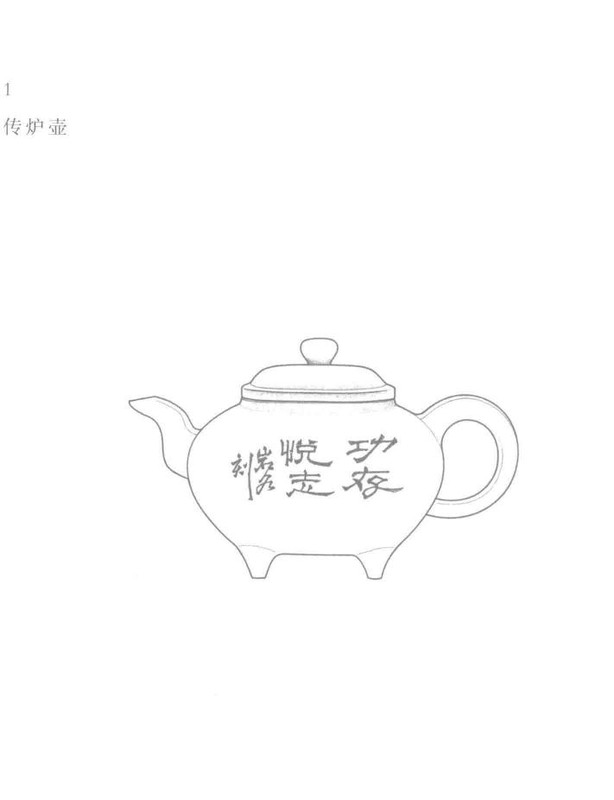
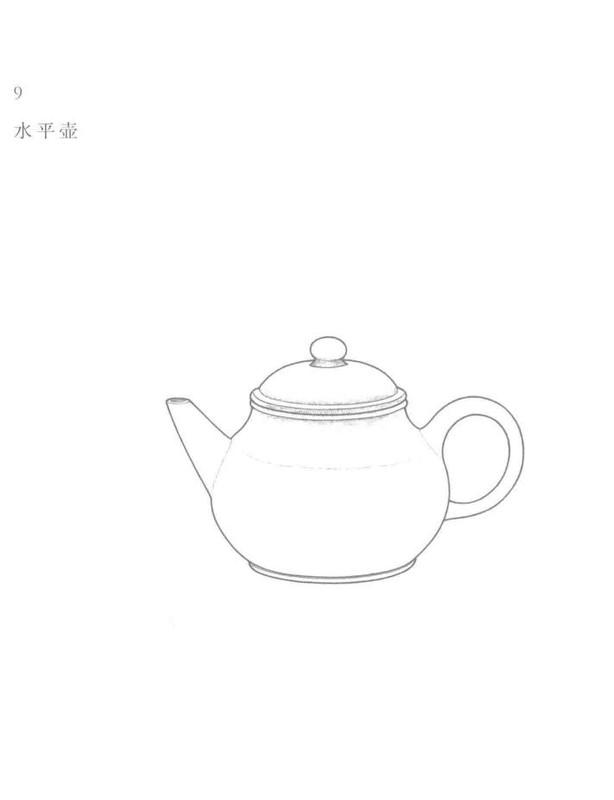
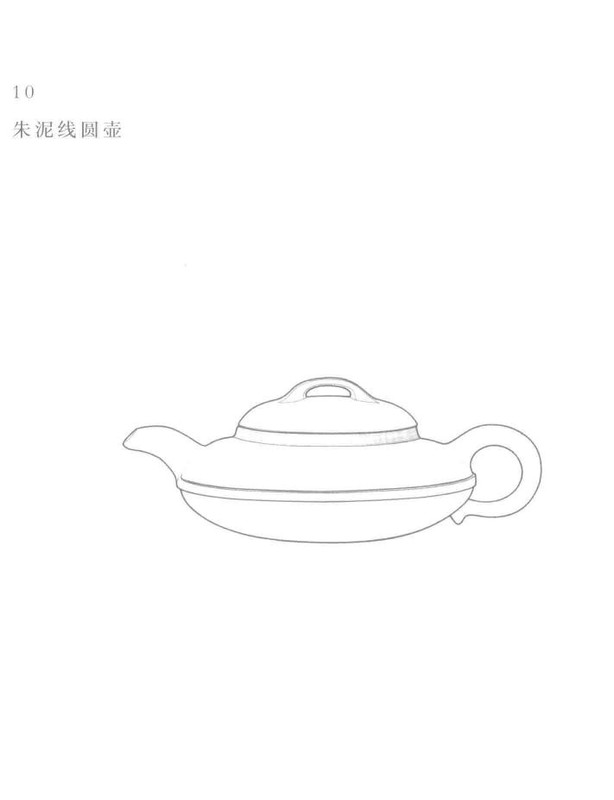
平盖莲子壶
Explore this classic Yixing pottery design and its significance in tea culture
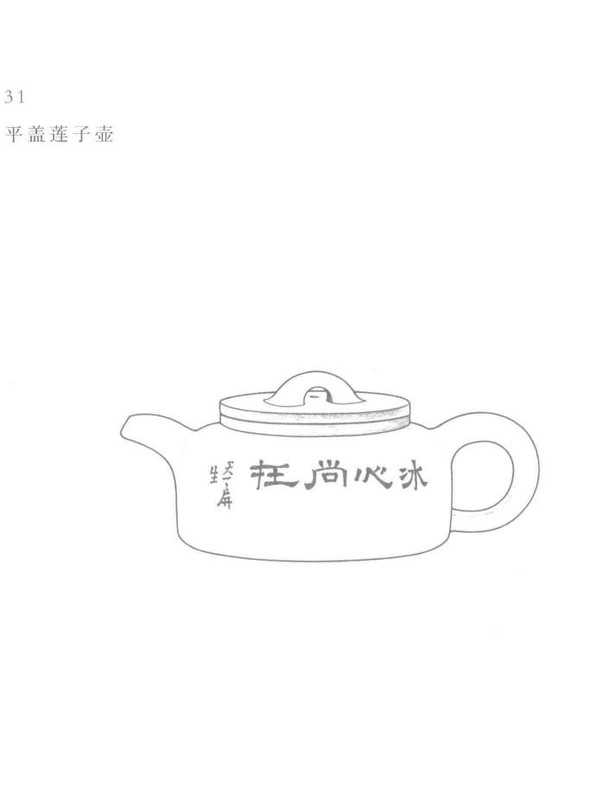
The Ping Gai Lian Zi Hu: A Timeless Treasure of Yixing Craftsmanship
When you hold a 平盖莲子壶 (Píng Gài Lián Zǐ Hú) in your hands, you’re not just touching clay—you’re connecting with centuries of Chinese tea culture. This elegant teapot, whose name translates to “Flat-Lid Lotus Seed Pot,” represents one of the most beloved classical designs to emerge from the legendary kilns of Yixing. Its gentle curves and harmonious proportions have captivated tea enthusiasts for generations, making it a cornerstone of traditional gongfu tea brewing.
A Design Born from Nature’s Poetry
The Ping Gai Lian Zi Hu takes its inspiration from one of China’s most revered symbols: the lotus. But rather than mimicking the flower itself, this teapot captures the essence of the lotus seed pod—that fascinating structure that remains after the petals have fallen, with its distinctive pattern of holes and rounded, organic form.
The body of this teapot typically presents a beautifully rounded, slightly compressed shape that echoes the natural contours of a lotus seed head. It’s neither perfectly spherical nor overly squat, but strikes a graceful balance that feels both substantial and refined. The walls curve gently outward from the base before tapering slightly toward the shoulder, creating a silhouette that’s instantly recognizable to anyone familiar with classical Yixing forms.
What truly distinguishes this design is its lid—the “ping gai” or flat lid that sits flush with the rim of the pot. Unlike domed or button-topped lids, this flat configuration creates a seamless visual line that emphasizes the pot’s horizontal elegance. The lid typically features a small, rounded knob that’s easy to grasp, often shaped like a lotus seed itself or a simple bead that complements the overall aesthetic without drawing attention away from the pot’s primary form.
The spout emerges from the body in a graceful arc, neither too aggressive nor too timid. Traditional examples often feature a slightly curved spout that tapers to a precise pouring point, allowing for controlled, drip-free service—a crucial consideration for any serious tea brewer. The handle mirrors this curve on the opposite side, creating a visual and functional balance that makes the pot comfortable to hold and pour, even when filled with hot water.
Roots in Traditional Chinese Aesthetics
The Ping Gai Lian Zi Hu belongs to the rich tradition of Yixing pottery that flourished during the Ming and Qing dynasties, though its exact origins remain somewhat mysterious—as is often the case with classical Chinese teaware designs that evolved organically over time rather than being attributed to a single creator.
What we do know is that this design embodies the philosophical principles that have guided Chinese artisans for centuries. The lotus holds profound significance in Chinese culture, representing purity, enlightenment, and the ability to rise above muddy waters while remaining unstained. By choosing the lotus seed pod rather than the flower itself, the design speaks to themes of fruition, completion, and the quiet beauty that follows the more obvious spectacle of blooming.
The flat-lid construction reflects practical wisdom accumulated over generations of tea brewing. This design choice isn’t merely aesthetic—it serves functional purposes that become apparent with use. The flat lid creates a larger surface area for heat exchange, helping to maintain optimal brewing temperatures. It also sits more securely than domed lids, reducing the risk of accidents during pouring. These practical considerations, seamlessly integrated with beautiful form, exemplify the Chinese design philosophy where function and beauty are inseparable.
During the height of Yixing pottery’s golden age, master craftsmen developed dozens of classical shapes, each with its own character and purpose. The Ping Gai Lian Zi Hu emerged as a favorite among scholars and tea connoisseurs who appreciated its understated elegance and versatile brewing characteristics. Unlike more dramatic or sculptural designs, this pot doesn’t demand attention—it earns it through subtle perfection and reliable performance.
The Magic of Yixing Clay
To understand why the Ping Gai Lian Zi Hu has remained beloved for so long, you need to appreciate the unique properties of Yixing clay itself. Sourced from the region around Yixing in Jiangsu Province, this clay—known as “zisha” or purple sand—possesses a porous structure that makes it ideal for brewing tea.
Unlike glazed ceramics or glass, Yixing clay breathes. Its microscopic pores allow air exchange while retaining heat beautifully, creating an environment where tea leaves can fully express their character. Over time and with repeated use, the clay absorbs trace amounts of tea oils, gradually developing a patina that tea lovers call “tea nourishment.” A well-seasoned Ping Gai Lian Zi Hu becomes a partner in brewing, its clay walls holding memories of countless tea sessions.
The traditional craftsmanship involved in creating these pots remains largely unchanged. Skilled artisans shape the clay using techniques passed down through generations, often working without molds to achieve the organic curves that define the form. Each pot is essentially unique, bearing the subtle marks of its maker’s hands—slight variations in curve, thickness, and proportion that give individual character while maintaining the essential design integrity.
Perfect Tea Pairings
One of the joys of the Ping Gai Lian Zi Hu is its versatility. While some Yixing shapes are highly specialized for specific tea types, this design’s balanced proportions and moderate capacity make it suitable for a range of teas, though it truly excels with certain varieties.
Oolong teas are perhaps the most natural match for this pot style. The rounded body provides ample room for rolled oolong leaves to unfurl and dance during steeping, while the clay’s heat retention supports the multiple infusions that oolongs demand. Whether you’re brewing a floral Tie Guan Yin, a roasted Da Hong Pao, or a high-mountain Taiwanese oolong, the Ping Gai Lian Zi Hu will serve you well. The pot’s shape encourages even heat distribution, helping to coax out the complex flavor layers that make oolongs so captivating.
Aged raw pu-erh also finds a welcoming home in this pot. The clay’s porosity helps to soften any rough edges in younger sheng pu-erh while allowing aged examples to breathe and express their full complexity. The pot’s capacity—typically ranging from 150ml to 250ml—is ideal for the concentrated brewing style that pu-erh enthusiasts favor.
Black teas (what the Chinese call “red tea” or hong cha) work beautifully in the Ping Gai Lian Zi Hu as well. The clay enhances the natural sweetness of quality black teas while rounding out any astringency. Dian hong from Yunnan, Keemun from Anhui, or even a fine Darjeeling will reveal new dimensions when brewed in a well-seasoned pot.
Some tea lovers dedicate their Ping Gai Lian Zi Hu exclusively to one type of tea, allowing the clay to season specifically for that variety. Others enjoy the pot’s versatility, using it across different tea categories. There’s no wrong approach—it depends on your brewing philosophy and how many teapots you’re willing to maintain in your collection.
Brewing Wisdom: Getting the Most from Your Pot
If you’re fortunate enough to own a Ping Gai Lian Zi Hu, or considering acquiring one, understanding proper brewing technique will help you unlock its full potential.
Seasoning your new pot is the essential first step. Rinse it thoroughly with hot water to remove any dust from storage. Then, fill it with water and let it sit overnight. The next day, place the pot in a larger vessel, cover it with water, add some tea leaves (of the type you plan to brew), and gently simmer for 30-60 minutes. This process opens the clay’s pores and begins the seasoning journey. After cooling, rinse well and let it air dry completely.
Temperature control is crucial. The Ping Gai Lian Zi Hu’s clay walls retain heat effectively, so preheat your pot by filling it with hot water before brewing. This ensures your tea leaves encounter consistent temperatures from the first infusion onward. For oolongs and pu-erh, use water just off the boil (95-100°C). For more delicate teas, adjust accordingly.
Leaf-to-water ratio in a pot this size typically runs around 1 gram of tea per 15-20ml of water, though this varies by tea type and personal preference. The rounded body allows leaves to expand fully, so don’t be afraid to use a generous amount—the pot’s design accommodates it.
Infusion timing should start short and gradually increase. Your first infusion might be just 10-15 seconds for oolong or pu-erh, with each subsequent steep adding 5-10 seconds. The flat lid makes it easy to check your leaves between infusions, and the pot’s pouring characteristics allow for quick, complete decanting.
Maintenance is straightforward but important. After each session, empty the leaves, rinse the pot with hot water (never soap!), and let it air dry completely with the lid off. The clay needs to breathe between uses. Over time, you’ll notice the exterior developing a subtle sheen—this is the tea patina building up, a sign of a well-loved pot.
The Ritual and the Reward
Using a Ping Gai Lian Zi Hu transforms tea brewing from a simple beverage preparation into a meditative ritual. There’s something deeply satisfying about the weight of the pot in your hand, the way the spout delivers a clean pour, the subtle click when the lid settles perfectly into place.
As your pot seasons over months and years, it becomes uniquely yours. The clay absorbs not just tea oils but also the care and attention you bring to each brewing session. Some tea enthusiasts report that their well-seasoned pots can produce a flavorful infusion with hot water alone—a testament to the clay’s memory and the cumulative effect of countless tea ceremonies.
The Ping Gai Lian Zi Hu doesn’t shout for attention with dramatic sculptural elements or bold colors. Its beauty lies in proportion, balance, and the quiet confidence of a design that has proven its worth across generations. It’s a pot that rewards patience and attention, revealing its character gradually rather than all at once.
Finding Your Perfect Pot
If you’re considering adding a Ping Gai Lian Zi Hu to your tea collection, take your time in selection. Quality varies enormously in the Yixing market, from factory-produced pots to works by accomplished artisans. Look for clean lines, smooth curves, and a lid that fits snugly without wobbling. The spout, lid, and handle should align properly when viewed from above. Pour water through it if possible—the stream should be smooth and controlled, stopping cleanly when you tip the pot upright.
Consider the clay color and texture. Authentic Yixing clay comes in various natural shades—purple, red, yellow, and green—each with distinct characteristics. Avoid pots that look artificially colored or overly shiny, as these may be treated with chemicals or made from inferior clay.
Size matters too. A smaller pot (150-180ml) is perfect for solo sessions or highly concentrated brewing, while a larger one (200-250ml) works better for sharing or longer sessions. The Ping Gai Lian Zi Hu’s design scales beautifully across this range, maintaining its elegant proportions regardless of capacity.
A Companion for the Journey
The beauty of the Ping Gai Lian Zi Hu lies not in novelty but in timelessness. This is a design that has served tea lovers for generations and will continue to do so for generations to come. It doesn’t follow trends because it exists beyond them, rooted in principles of form and function that transcend temporary fashions.
Whether you’re just beginning your journey into gongfu tea brewing or you’re a seasoned enthusiast, the Flat-Lid Lotus Seed Pot offers something valuable: a reliable, beautiful tool that enhances rather than overshadows the tea itself. It’s a reminder that sometimes the most profound pleasures come not from complexity or innovation, but from simple things done exceptionally well.
In a world that often prioritizes the new over the enduring, the Ping Gai Lian Zi Hu stands as a gentle argument for tradition, craftsmanship, and the accumulated wisdom of centuries. It invites us to slow down, pay attention, and find meaning in the small rituals that connect us to something larger than ourselves. And really, isn’t that what tea culture is all about?