茄段壶
Explore this classic Yixing pottery design and its significance in tea culture
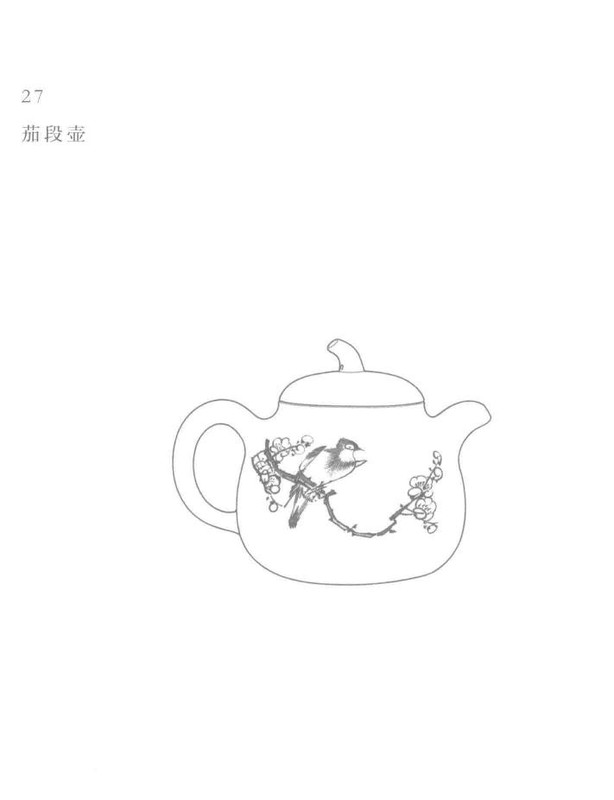
The Jiā Duàn Hú (茄段壶): A Timeless Treasure of Yixing Pottery
When you first encounter a Jiā Duàn Hú—literally translated as the “Eggplant Section Pot”—you might wonder about its curious name. This classic Yixing teapot design doesn’t actually resemble an eggplant in the way you might expect. Instead, it captures something more poetic: the segmented, organic form of an eggplant’s natural structure, translated into clay with remarkable artistry.
For tea enthusiasts seeking to deepen their brewing practice, understanding traditional Yixing designs like the Jiā Duàn Hú opens a window into centuries of Chinese tea culture. This isn’t just a vessel for steeping leaves—it’s a meditation on form, function, and the relationship between potter and tea drinker.
Understanding the Eggplant Section Design
The Jiā Duàn Hú belongs to that special category of Yixing teapots that draw inspiration from the natural world. Chinese potters have long looked to fruits, vegetables, and plants for design inspiration, seeing in their forms a perfect harmony that translates beautifully to functional pottery.
The “section” in its name refers to the pot’s distinctive segmented body. Imagine cutting an eggplant crosswise and observing how it naturally divides into subtle lobes and curves. The Jiā Duàn Hú captures this organic segmentation through carefully crafted vertical ridges or gentle undulations that flow from the shoulder of the pot down to its base. These aren’t harsh, geometric divisions—they’re soft, natural transitions that catch light and shadow in ways that make the pot seem almost alive.
The body typically presents a rounded, slightly squat profile that feels substantial in the hand without being heavy. This shape isn’t arbitrary; it reflects generations of refinement in understanding how tea leaves expand during steeping and how heat distributes through clay. The proportions create an interior space where leaves can unfurl completely, dancing in the water as they release their essence.
The spout usually emerges in a gentle, confident curve—not too aggressive, not too timid. It’s positioned to pour with precision, delivering a steady stream that doesn’t dribble or splash. The handle balances the composition, often echoing the organic curves found in the body’s segmentation. When you lift a well-made Jiā Duàn Hú, the weight distribution feels intuitive, as if the pot wants to be held just so.
A Legacy Rooted in Tradition
The Jiā Duàn Hú emerges from the rich tradition of Yixing pottery, centered in the town of Dingshu in China’s Jiangsu Province. For centuries, this region has been synonymous with the finest unglazed clay teapots, prized by tea connoisseurs throughout Asia and, increasingly, around the world.
While we can’t pinpoint the exact moment when the first Jiā Duàn Hú was created, this design belongs to the classical repertoire that developed during the Ming and Qing dynasties, when Yixing pottery reached extraordinary heights of refinement. During these periods, master potters began moving beyond purely functional vessels to create forms that expressed artistic vision while maintaining practical excellence.
The choice of an eggplant as inspiration wasn’t random. In Chinese culture, eggplants carry symbolic weight—they represent prosperity and longevity. The vegetable’s deep purple color (in its most common variety) also connects to imperial associations, as purple held special significance in traditional Chinese color symbolism. By creating a teapot that evoked the eggplant’s form, potters were embedding layers of meaning into an everyday object.
What makes traditional Yixing designs like the Jiā Duàn Hú so remarkable is their embodiment of the Chinese aesthetic principle of “巧而不华” (qiǎo ér bù huá)—skillful but not ostentatious. These pots don’t shout for attention. Their beauty reveals itself gradually, through use and contemplation. The segmented form creates visual interest without overwhelming the eye. It’s sophisticated restraint at its finest.
The Magic of Yixing Clay
To truly appreciate the Jiā Duàn Hú, you need to understand what makes Yixing clay special. The region’s clay, known as zisha (紫砂) or “purple sand,” possesses unique properties that have made it the gold standard for teapot material for centuries.
First, Yixing clay is porous at a microscopic level. This porosity allows the pot to “breathe” during brewing, facilitating subtle interactions between air, water, and tea that enhance flavor development. Over time, as you use your pot repeatedly with the same type of tea, the clay absorbs trace amounts of tea oils. This seasoning process—what enthusiasts call “raising the pot”—gradually builds up a patina that enriches future brews.
Second, Yixing clay has excellent heat retention properties. The Jiā Duàn Hú’s rounded form maximizes this characteristic, maintaining stable temperatures throughout the brewing process. This consistency is crucial for coaxing the best flavors from quality tea leaves.
The clay’s natural colors range from deep purple-brown to warm red to pale yellow, depending on the specific clay body used and firing conditions. A Jiā Duàn Hú might be crafted from zhuni (朱泥, red clay), duanni (段泥, yellow clay), or zini (紫泥, purple clay), each bringing slightly different characteristics to the brewing experience.
Perfect Tea Pairings
One of the joys of owning a Jiā Duàn Hú is discovering which teas sing in its embrace. While Yixing pots can technically brew any tea, certain matches create magic.
Oolong Teas: The Jiā Duàn Hú’s moderate size and excellent heat retention make it superb for oolong teas, particularly traditional varieties like Tieguanyin, Dahongpao, or aged oolongs. The pot’s shape allows these partially oxidized leaves to expand fully, while the clay’s porosity helps mellow any rough edges in the flavor profile. The segmented body creates subtle temperature variations within the pot that can actually enhance the complexity of high-quality oolongs.
Aged Pu-erh: If your Jiā Duàn Hú is made from zini or zhuni clay, it’s an excellent choice for ripe (shou) pu-erh. The clay’s ability to absorb and neutralize any off-flavors while emphasizing the tea’s earthy sweetness makes for remarkably smooth brews. The pot’s form provides ample room for compressed pu-erh leaves to unfurl and release their deep, complex flavors.
Black Teas: Chinese black teas (called “red tea” in Chinese) like Dianhong or Keemun find a welcoming home in the Jiā Duàn Hú. The pot’s heat retention brings out these teas’ natural sweetness and malty notes while the clay softens any astringency.
Aged White Teas: For those who appreciate the subtle complexity of aged white teas like aged Shoumei or Gongmei, the Jiā Duàn Hú offers a gentle brewing environment that respects the tea’s delicate character while revealing its depth.
The traditional wisdom is to dedicate your Yixing pot to one type of tea—or at least one category. This allows the seasoning process to work its magic, creating a pot that becomes increasingly attuned to your preferred tea over months and years of use.
Brewing with Your Jiā Duàn Hú
Using a Jiā Duàn Hú isn’t complicated, but a few techniques will help you get the most from this traditional vessel.
Preparation: Before first use, give your pot a gentle cleaning. Rinse it with hot water, then brew several pots of the tea you plan to dedicate it to, discarding these initial brews. This begins the seasoning process and removes any clay dust from manufacturing.
Water Temperature: The Jiā Duàn Hú’s heat retention means you can use fully boiling water for most teas without worrying about scorching delicate leaves. The clay moderates the temperature naturally. For oolongs and black teas, boiling water works beautifully. For aged whites, you might start with water just off the boil.
Tea Quantity: A general guideline is to fill the pot about one-third full with dry leaves, but this varies by tea type. Tightly rolled oolongs need less volume than fluffy aged whites. Experiment to find your preference.
Steeping Times: Start with short steeps—15 to 30 seconds for the first infusion—and gradually increase with each subsequent brew. The Jiā Duàn Hú’s design facilitates quick, complete pouring, which gives you precise control over steeping time.
Pouring Technique: Hold the pot so your thumb rests on the lid’s knob, keeping the lid secure as you pour. The Jiā Duàn Hú’s balanced design makes this natural. Pour decisively—the spout is designed for a confident stream.
After Brewing: Never leave tea sitting in your pot. After your session, empty the leaves, rinse with hot water (no soap!), and let the pot air dry completely with the lid off. This prevents any musty odors from developing and allows the clay to breathe.
Building Patina: Over time, you’ll notice your pot developing a subtle sheen, especially on areas your hands touch frequently. This patina is prized by collectors and represents the pot’s history of use. Some enthusiasts gently wipe their pots with a soft cloth after each use to encourage even patina development.
Choosing Your Jiā Duàn Hú
If you’re considering adding a Jiā Duàn Hú to your tea practice, here are some factors to consider:
Size: These pots typically range from 100ml to 250ml capacity. Smaller pots (100-150ml) are ideal for solo sessions or when you want to focus intensely on a tea’s evolution across multiple infusions. Larger pots (180-250ml) work better for sharing tea with one or two friends.
Clay Type: Zhuni (red clay) offers the finest texture and is prized for high-roast oolongs and black teas. Duanni (yellow clay) has a more neutral character that works across tea types. Zini (purple clay) is versatile and particularly good for pu-erh.
Craftsmanship: Look for clean lines in the segmentation, a spout that aligns properly with the handle, and a lid that fits snugly without wobbling. The pot should feel balanced when you lift it. Quality craftsmanship isn’t just aesthetic—it affects brewing performance.
Authenticity: Genuine Yixing pots from skilled artisans represent an investment, but they’ll serve you for decades. Be wary of very cheap “Yixing” pots, which may be made from inferior clay or even clay mixed with additives.
The Ritual and the Reward
What makes the Jiā Duàn Hú—and Yixing pots generally—so beloved isn’t just their functional excellence. It’s the way they transform tea brewing from a simple task into a mindful ritual.
There’s something deeply satisfying about the weight of a clay pot in your hands, the way hot water brings out the clay’s earthy scent, the sound of tea pouring into cups. The Jiā Duàn Hú’s organic form connects you to both the natural world that inspired its shape and the human hands that crafted it.
As you use your pot over time, it becomes uniquely yours. The patina that develops, the way it pours, the subtle flavor contributions it makes—these evolve through your relationship with the pot. In Chinese tea culture, there’s a saying: “A pot raises a person, a person raises a pot” (壶养人,人养壶). It’s a reciprocal relationship.
The Jiā Duàn Hú, with its elegant segmented form and classical proportions, embodies centuries of refinement in both pottery and tea culture. It’s a reminder that the vessels we choose for our daily rituals matter—not because they’re expensive or rare, but because they enhance our experience and connect us to traditions larger than ourselves.
Whether you’re just beginning to explore Yixing pottery or you’re a seasoned collector, the Eggplant Section Pot offers a beautiful entry point into the world of traditional Chinese teaware. Its approachable form, versatile brewing characteristics, and timeless aesthetic make it a pot you’ll reach for again and again, each time discovering something new in its curves and in the tea it helps you brew.