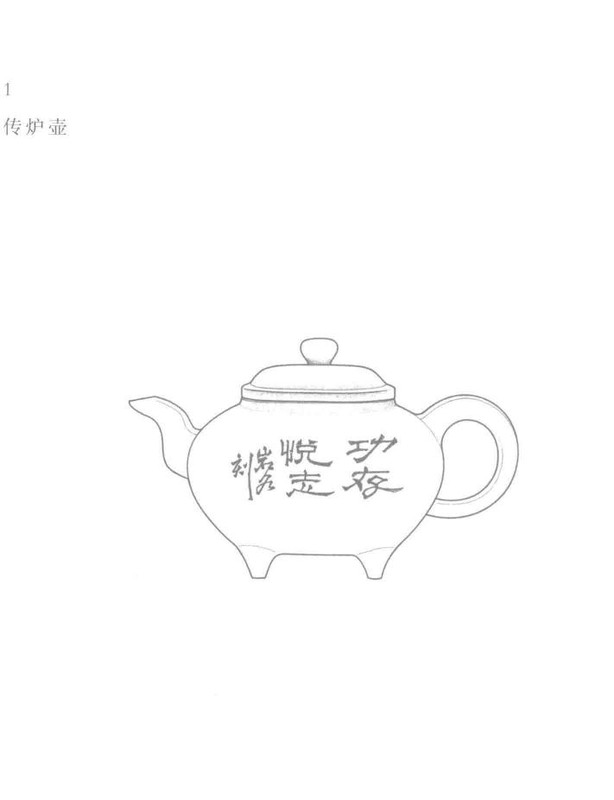
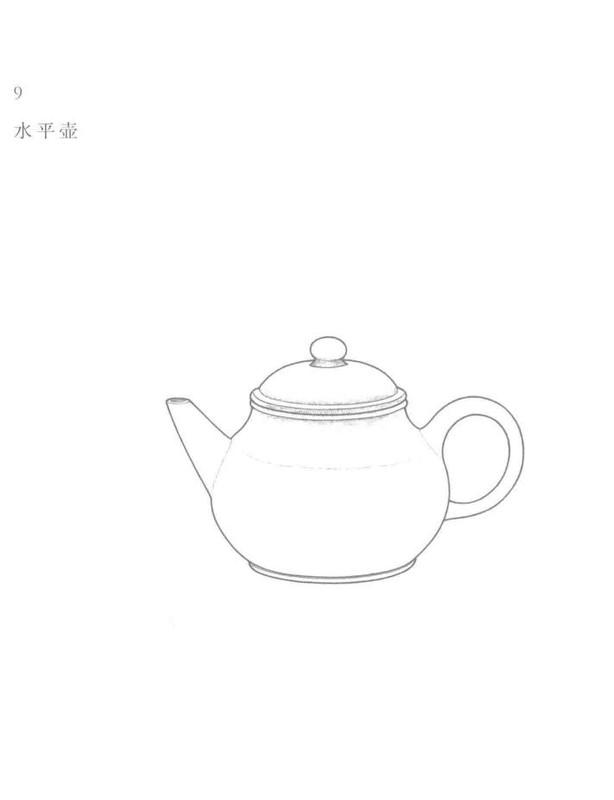
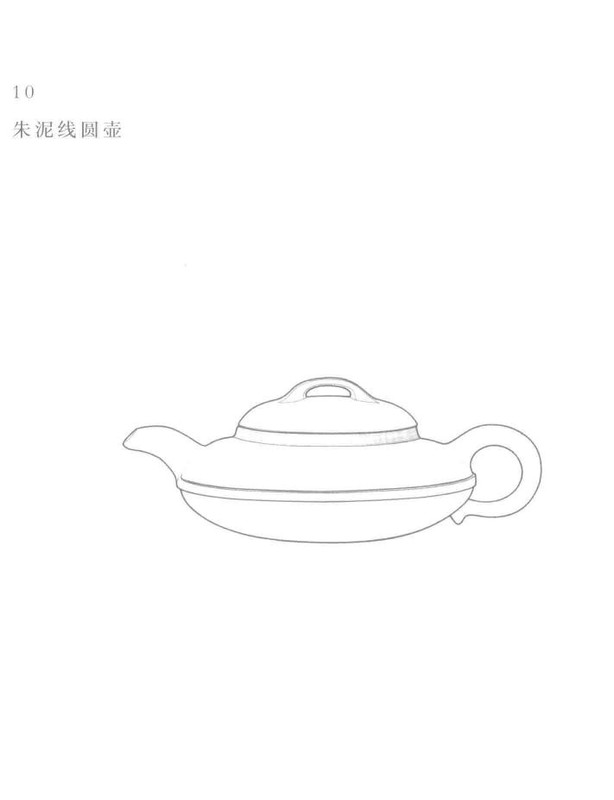
隐角竹鼓
Explore this classic Yixing pottery design and its significance in tea culture
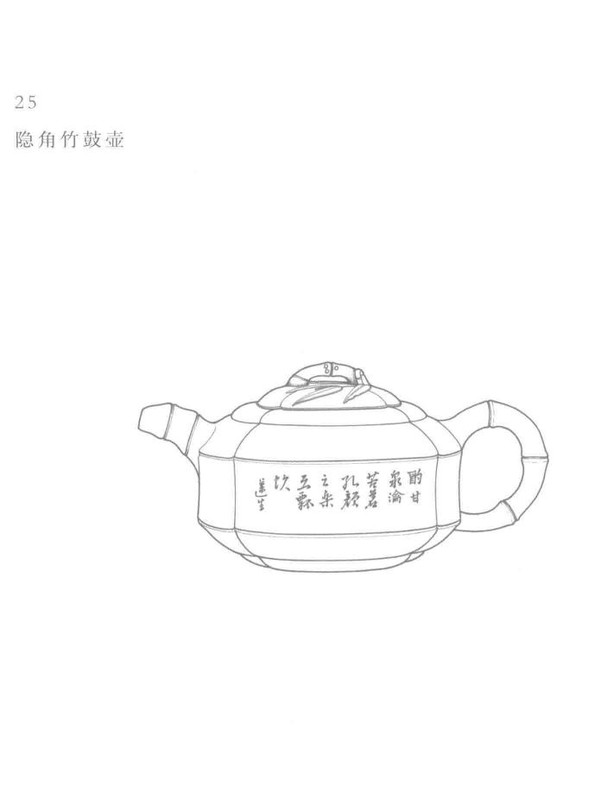
The Hidden Corner Bamboo Drum: A Timeless Yixing Treasure
When you first encounter a 隐角竹鼓 (Yǐn Jiǎo Zhú Gǔ) teapot, you might not immediately grasp the poetry embedded in its name. “Hidden Corner Bamboo Drum” – three simple words that capture an entire philosophy of understated elegance. This classic Yixing design represents everything that makes Chinese tea culture so captivating: the marriage of function and beauty, the celebration of natural forms, and the belief that the best artistry often whispers rather than shouts.
A Design That Speaks in Subtle Tones
The Hidden Corner Bamboo Drum belongs to that special category of Yixing teapots that draw inspiration from the natural world without simply copying it. Unlike pots shaped like literal pumpkins or tree stumps, this design takes the essence of bamboo – its segmented structure, its gentle curves, its quiet strength – and translates these qualities into ceramic form.
The body of the pot echoes the cylindrical segments of bamboo stalks, with subtle ridges that suggest the nodes where bamboo naturally divides. But here’s where the “hidden corner” aspect becomes fascinating: the transitions between these segments aren’t sharp or obvious. Instead, they’re softened, rounded, almost secretive. You have to look closely to appreciate how the potter has created depth and dimension through these gentle undulations.
The drum reference in the name speaks to the pot’s proportions – typically wider than it is tall, with a satisfying roundness that feels substantial in the hand without being heavy. There’s a musical quality to well-made examples of this design, where tapping the lid against the rim produces a clear, resonant note that tells experienced collectors the clay has been properly fired and the walls are of even thickness.
The Art of Restraint
What makes the Hidden Corner Bamboo Drum particularly appealing to serious tea drinkers is its restraint. In an art form where some potters create elaborate sculptures festooned with dragons, phoenixes, and intricate calligraphy, this design takes the opposite approach. The beauty lies in proportion, in the quality of the clay itself, and in the subtle details that reveal themselves slowly over time.
The handle typically curves like a bamboo shoot, ergonomic and natural in the grip. The spout often features a gentle taper that ensures a clean pour without dripping – a practical consideration that separates functional teaware from mere decoration. The lid sits flush with the body, sometimes with a small bamboo-inspired finial that serves as both grip and visual accent.
Traditional examples showcase the natural beauty of Yixing clay without glaze or decoration. The surface might be left smooth to highlight the clay’s inherent texture, or it might feature a light stippling that catches the light and adds visual interest without overwhelming the form. Over years of use, the pot develops a patina – a subtle sheen created by tea oils absorbed into the porous clay – that makes each piece unique to its owner.
Roots in Chinese Aesthetic Philosophy
To understand the Hidden Corner Bamboo Drum, you need to appreciate its place in Chinese artistic tradition. Bamboo holds profound significance in Chinese culture, symbolizing resilience, flexibility, and integrity. It bends in the storm but doesn’t break. It grows in segments, each building upon the last. It’s hollow inside, representing humility and openness to learning.
These aren’t just poetic metaphors – they’re values that Chinese scholars and artists have celebrated for centuries. Bamboo appears constantly in classical Chinese painting, poetry, and decorative arts. When a Yixing potter chooses to reference bamboo in a teapot design, they’re tapping into this rich cultural reservoir.
The “hidden corner” aspect reflects another important Chinese aesthetic principle: the beauty of suggestion over statement. In classical Chinese gardens, the most prized views are those that reveal themselves gradually, where a turn in the path suddenly opens onto an unexpected vista. In painting, empty space is as important as brushstrokes. The Hidden Corner Bamboo Drum embodies this philosophy – its beauty isn’t immediately obvious, but unfolds with patient observation.
This design likely emerged during the Ming or Qing dynasties, when Yixing pottery reached its artistic peak. While we can’t pinpoint an exact date for its creation, the design philosophy reflects the refined tastes of the literati class – scholars and artists who elevated tea drinking from simple refreshment to spiritual practice. They favored teaware that was elegant without being ostentatious, functional without sacrificing beauty.
The Perfect Clay Canvas
One of the joys of the Hidden Corner Bamboo Drum design is how it showcases different Yixing clays. The relatively simple form doesn’t distract from the clay’s natural characteristics, making it an ideal canvas for appreciating the subtle variations between different clay types.
In purple clay (zisha), the most common Yixing material, the pot takes on warm, earthy tones ranging from deep burgundy to reddish brown. The clay’s natural iron content gives it a slight sparkle when light hits the surface at certain angles. As you use the pot over months and years, purple clay develops a rich, lustrous patina that deepens its color.
Red clay (hongni) versions tend toward brighter, more vibrant tones – think terracotta or brick red. This clay is slightly less porous than purple clay, which affects how it interacts with tea. The color provides a beautiful contrast with green teas, making the brewing process visually appealing.
Some potters create Hidden Corner Bamboo Drum pots in duan clay, which fires to lighter colors ranging from pale yellow to soft beige. These lighter pots have their own charm, offering a more subtle aesthetic that some collectors prefer.
The beauty of this design is that it works in any of these clays. The form is strong enough to stand on its own merits, while remaining simple enough to let the clay’s natural character shine through.
Tea Pairing: Finding the Perfect Match
Here’s where things get practical. The Hidden Corner Bamboo Drum, like all Yixing pots, works best when dedicated to a single type of tea (or at least a single category). The porous clay absorbs tea oils and flavors over time, seasoning the pot and theoretically improving the taste of subsequent brews. Mixing tea types defeats this purpose.
So which teas work best with this design? The answer depends partly on the clay type and partly on the pot’s capacity, but there are some general guidelines.
Oolong teas are perhaps the most natural pairing, especially for medium-sized pots (150-200ml). The Hidden Corner Bamboo Drum’s shape provides good heat retention, which oolongs need to open properly. Traditional Wuyi rock oolongs like Da Hong Pao or Shui Xian are excellent choices. The pot’s rounded body gives the leaves room to unfurl, while the clay’s porosity helps moderate the tea’s intensity, smoothing out any rough edges.
Aged white teas also work beautifully in this pot style. White teas like aged Shou Mei or Gong Mei benefit from the gentle heat retention and the way Yixing clay can soften their character. If you’re using a lighter duan clay pot, this is an especially good match – the pale clay won’t overpower the tea’s subtle flavors.
Ripe pu-erh (shou pu-erh) is another excellent candidate, particularly in purple or red clay versions. The clay helps tame pu-erh’s earthy intensity while preserving its depth and complexity. Many serious pu-erh drinkers keep a dedicated Yixing pot for this purpose, and the Hidden Corner Bamboo Drum’s classic design makes it a worthy choice.
Black teas can work well, especially Chinese varieties like Keemun or Dian Hong. The pot’s heat retention brings out black tea’s malty sweetness, while the clay adds a smoothness to the brew.
What about green tea? Generally, Yixing pots aren’t ideal for delicate green teas, which prefer lower temperatures and benefit from glass or porcelain that won’t absorb their subtle flavors. However, some tea drinkers successfully use Yixing for heartier green teas like Tai Ping Hou Kui, especially in lighter clays.
Brewing Wisdom: Getting the Most from Your Pot
Owning a Hidden Corner Bamboo Drum is one thing; using it properly is another. Here’s some practical advice for tea enthusiasts.
Seasoning your pot: Before first use, rinse the pot with hot water several times to remove any dust from storage. Then brew several pots of the tea you plan to dedicate it to, discarding these initial brews. This begins the seasoning process. Some people boil their new pots with tea leaves, but this isn’t necessary and risks damaging the pot if done incorrectly.
Temperature matters: Yixing clay retains heat well, so preheat your pot by filling it with hot water before brewing. This ensures stable temperature throughout the brewing process. For oolongs and pu-erh, use fully boiling water. For white teas, you might drop the temperature slightly to 90-95°C (194-203°F).
Leaf ratio: The pot’s shape influences how much tea to use. For a typical 150ml Hidden Corner Bamboo Drum, start with 6-8 grams of oolong or 5-6 grams of pu-erh. Adjust based on your taste preferences and the specific tea.
Brewing time: Start with short infusions – 20-30 seconds for the first brew – and gradually increase with each subsequent infusion. The pot’s heat retention means tea can over-extract quickly if you’re not careful.
Care and maintenance: After brewing, empty the leaves and rinse the pot with hot water only – never use soap, which the clay will absorb. Let the pot air dry completely with the lid off before storing. The pot should dry within a few hours; if it takes longer, you’re using too much water to rinse it.
Building patina: Over time, your pot will develop a beautiful sheen from tea oils. This is desirable! Some people gently wipe their pots with a soft cloth after each use to help distribute the oils evenly. Never scrub the interior – you’ll remove the seasoning you’ve carefully built up.
Why This Design Endures
In a world of constantly changing trends, the Hidden Corner Bamboo Drum remains relevant because it embodies timeless principles. It’s beautiful without being flashy. It’s functional without being purely utilitarian. It improves with use rather than deteriorating.
For tea enthusiasts, this pot represents an investment in the ritual of tea drinking. It’s not just a vessel; it’s a partner in the daily practice of slowing down, paying attention, and finding pleasure in simple things done well.
The design also offers something increasingly rare: the opportunity to develop a relationship with an object over time. In our disposable culture, few things improve with age and use. A well-cared-for Hidden Corner Bamboo Drum becomes more beautiful, more personal, and more valuable as the years pass.
Finding Your Own Hidden Corner
If you’re considering adding a Hidden Corner Bamboo Drum to your tea collection, take your time. Look for pots made by reputable artisans using authentic Yixing clay. The market has many imitations, so buy from trusted sources who can verify provenance.
Handle the pot before buying if possible. It should feel balanced and comfortable. The lid should fit snugly without being too tight. The spout should align properly with the handle. These details matter for daily use.
Consider what tea you’ll dedicate it to, and choose your clay type accordingly. Think about size – smaller pots (100-150ml) work well for solo sessions or precious teas, while larger ones (200-250ml) are better for sharing.
Most importantly, remember that the best teapot is the one you’ll actually use. The Hidden Corner Bamboo Drum’s understated elegance makes it suitable for both daily brewing and special occasions. It’s a design that never feels too precious to use, yet never feels ordinary.
In the end, this classic Yixing form offers what all great design should: beauty that deepens with familiarity, function that enhances experience, and the quiet satisfaction of owning something made with skill and care. Whether you’re a seasoned collector or just beginning your journey into Chinese tea culture, the Hidden Corner Bamboo Drum deserves your consideration – not because it’s flashy or trendy, but because it’s simply, enduringly right.