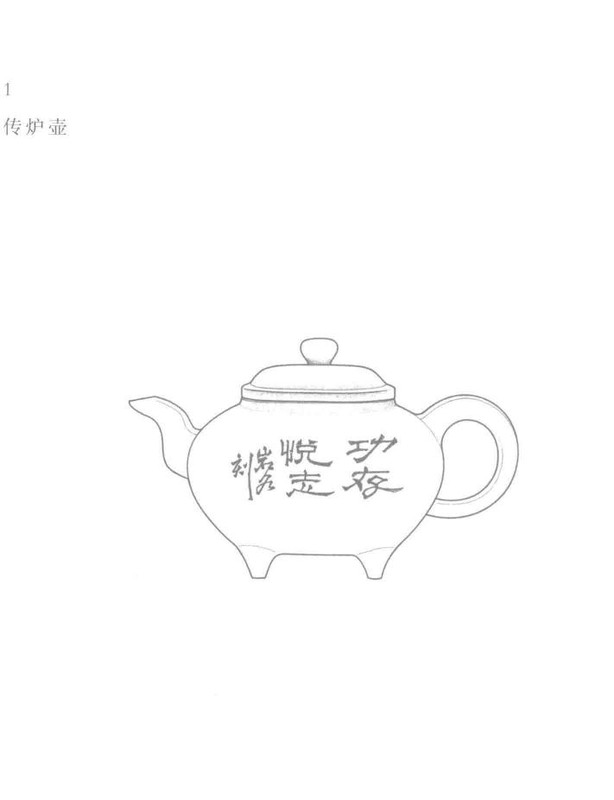
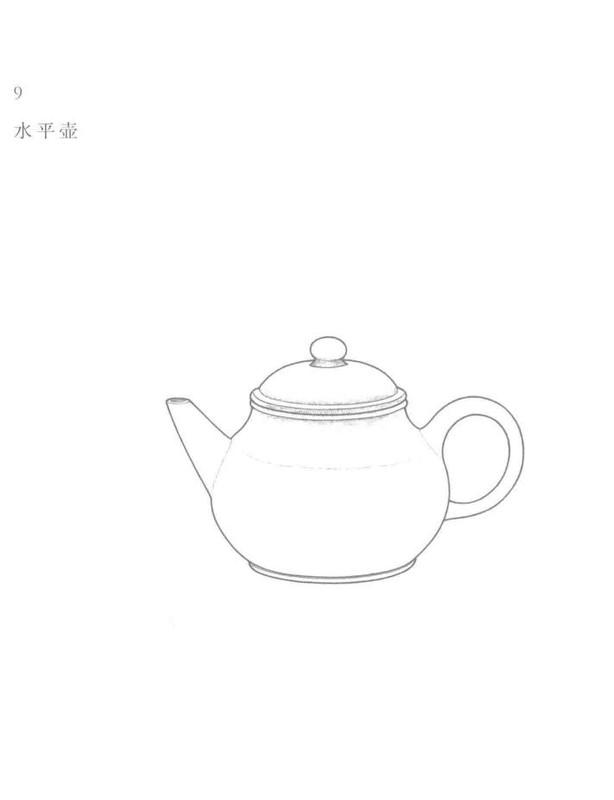
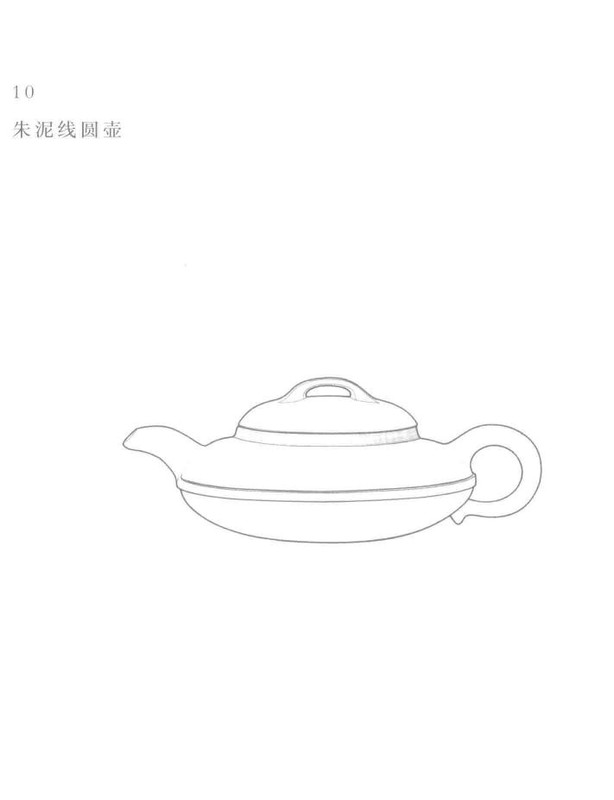
仿鼓壶
Explore this classic Yixing pottery design and its significance in tea culture
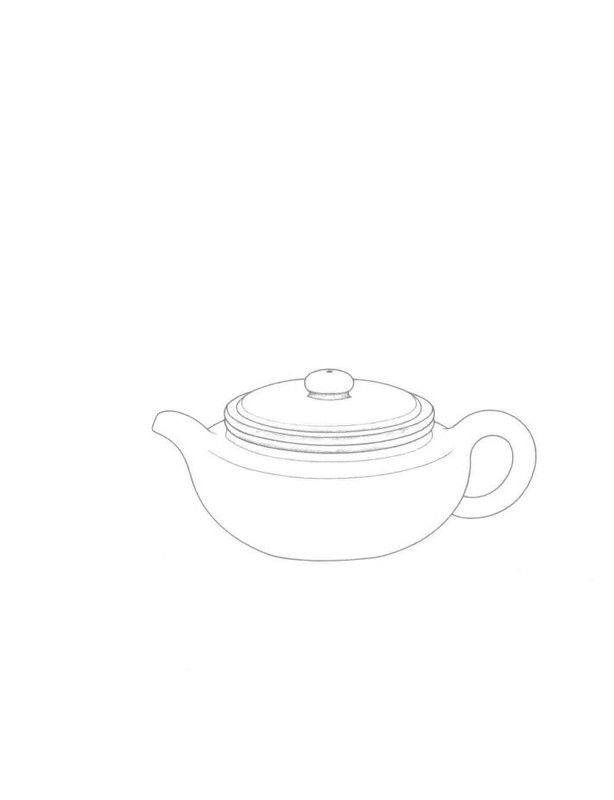
The Fang Gu Hu: A Timeless Drum-Inspired Teapot Design
When you hold a well-crafted Yixing teapot, you’re not just holding a brewing vessel—you’re cradling centuries of tradition, artistry, and tea culture. Among the many classic designs that have emerged from the famous pottery kilns of Yixing, the Fang Gu Hu (仿鼓壶) stands out as a testament to how everyday objects can inspire extraordinary art.
The name itself tells a story: “Fang” means “to imitate” or “inspired by,” “Gu” means “drum,” and “Hu” means “pot.” This is the drum-inspired teapot, a design that captures the robust, grounded energy of traditional Chinese percussion instruments and transforms it into a vessel for one of life’s most contemplative rituals—brewing tea.
A Design Born from Musical Heritage
The Fang Gu Hu draws its inspiration from the classical Chinese drum, an instrument that has accompanied ceremonies, celebrations, and daily life for millennia. If you’ve ever seen a traditional Chinese drum—with its wide, stable body and taut, circular surface—you’ll immediately recognize the visual echo in this teapot’s form.
The design typically features a broad, rounded body that sits low and stable, much like a drum resting on its side. The proportions convey a sense of groundedness and reliability. There’s nothing delicate or precarious about this pot; it announces itself with quiet confidence. The spout often emerges smoothly from the body, while the handle curves in a way that balances both aesthetics and ergonomics.
What makes the Fang Gu Hu particularly appealing is its honest simplicity. Unlike some ornate Yixing designs that feature elaborate decorations or complex geometric patterns, the drum pot relies on pure form. The beauty lies in the curves, the proportions, and the way light plays across its surface. It’s a design that proves you don’t need embellishment when your fundamental shape is this strong.
The Clay That Makes It Special
Like all authentic Yixing teapots, the Fang Gu Hu is crafted from the region’s distinctive zisha clay—literally “purple sand.” This isn’t just any clay. Mined from the hills around Yixing in Jiangsu Province, zisha clay has unique properties that have made it the gold standard for teapot making for over 500 years.
The clay is porous, which means it breathes. As you use your Fang Gu Hu over time, it absorbs trace amounts of the tea oils and flavors, gradually developing what tea enthusiasts call a “patina” or “seasoning.” This is why serious tea drinkers dedicate specific Yixing pots to specific types of tea—the pot becomes a partner in the brewing process, contributing its own subtle character to each infusion.
The natural colors of zisha clay range from deep purples and rich browns to warm reds and even pale yellows, depending on the specific clay body used and the firing temperature. A Fang Gu Hu might appear in any of these hues, each bringing its own visual warmth to your tea table.
Traditional Craftsmanship in Every Curve
Creating a Fang Gu Hu requires genuine skill. Unlike wheel-thrown pottery, traditional Yixing teapots are constructed using a technique called “da shen tong” or “beating the body into shape.” The artisan starts with slabs of clay, carefully measured and cut, then gradually coaxes them into the desired form through patient manipulation.
For the drum pot, achieving those smooth, symmetrical curves while maintaining the characteristic low, stable profile demands both technical precision and artistic sensitivity. The spout must be positioned at exactly the right angle to ensure a clean pour. The lid needs to fit snugly enough to retain heat but not so tightly that it’s difficult to remove. The handle must balance the weight of the filled pot comfortably in your hand.
Master potters spend years perfecting these details. When you examine a well-made Fang Gu Hu, you’ll notice how the spout, handle, and knob on the lid align perfectly when viewed from above—a detail called “three points in a line” that marks quality craftsmanship. The interior should be smooth and well-finished, with no rough spots that might interfere with cleaning or tea flow.
A Pot for Contemplative Brewing
The Fang Gu Hu’s design philosophy aligns beautifully with certain tea brewing traditions. Its wide body and relatively low profile create a generous surface area for tea leaves to unfurl and release their flavors. This makes it particularly well-suited for teas that benefit from room to expand and breathe.
Oolong teas are perhaps the most natural match for this pot style. Whether you’re brewing a roasted Wuyi rock oolong like Da Hong Pao or a greener, more floral Taiwanese high-mountain oolong, the Fang Gu Hu provides the space and heat retention these complex teas need. The clay’s porosity complements oolong’s layered flavors, and over time, your pot will develop a seasoning that enhances each brewing session.
Aged raw pu-erh also pairs wonderfully with the drum pot. These teas need heat and space to fully express their depth, and the Fang Gu Hu delivers both. The substantial body retains temperature well, allowing the tea to steep at the optimal warmth that brings out those earthy, complex notes that make aged pu-erh so captivating.
Ripe pu-erh (shou pu-erh) is another excellent choice. The pot’s generous capacity and heat retention help smooth out any rough edges in younger ripe pu-erh while allowing more mature examples to show their full character.
Some tea enthusiasts also use their Fang Gu Hu for heavily roasted oolongs or even aged white teas, both of which appreciate the stable brewing environment this pot provides.
Practical Brewing Guidance
If you’re fortunate enough to own a Fang Gu Hu, here’s how to get the most from it:
Seasoning Your New Pot
Before first use, give your pot a gentle cleaning. Rinse it thoroughly with hot water, then place it in a pot of water and bring it to a gentle simmer for 20-30 minutes. This opens the clay’s pores and removes any dust from manufacturing. Let it cool naturally, then brew several rounds of the tea you plan to dedicate it to, discarding these initial infusions. This begins the seasoning process.
Daily Use and Care
After each tea session, rinse your pot thoroughly with hot water—no soap, ever. The clay is porous, and soap will be absorbed, potentially ruining future brews. Let the pot air dry completely with the lid off before storing it. Some people gently wipe the exterior with a soft tea cloth to gradually build up that prized patina.
Brewing Technique
The Fang Gu Hu’s shape lends itself well to gongfu-style brewing. Use water at the appropriate temperature for your chosen tea—generally 195-205°F (90-96°C) for oolongs and pu-erh. The pot’s heat retention means you might use slightly lower temperatures than you would with a gaiwan, as the clay will maintain warmth throughout the session.
Fill the pot about one-third full with dry leaves for most oolongs, adjusting based on the specific tea and your taste preferences. The wide body allows leaves to expand fully, so don’t be afraid to give them space.
The Pour
A well-made Fang Gu Hu should pour cleanly, with the stream cutting off crisply when you return the pot to upright. If you notice dripping, it might indicate either a design flaw or that the pot needs cleaning—tea oils can sometimes accumulate around the spout opening.
Why This Design Endures
In a world of constantly changing trends, the Fang Gu Hu has remained relevant for generations. Part of its appeal is functional—it simply works well for brewing tea. But there’s something more, something about the way this design feels in your hands and looks on your tea table.
The drum pot doesn’t demand attention. It doesn’t shout or show off. Instead, it sits there with quiet dignity, ready to do its job. There’s a meditative quality to its rounded form, a sense of completeness and balance that mirrors the tea ritual itself.
For many tea enthusiasts, the Fang Gu Hu represents an ideal entry point into collecting Yixing pottery. Its classic design means it pairs well with various tea table aesthetics, from traditional to contemporary. Its forgiving proportions make it easier to use than some more delicate designs. And its versatility with different tea types means you’ll reach for it often.
Finding Your Own Drum Pot
If you’re considering adding a Fang Gu Hu to your tea collection, take your time finding the right one. Quality varies enormously in the Yixing market, from genuine handmade pieces by skilled artisans to mass-produced factory pots.
Look for smooth, even surfaces without cracks or rough patches. The lid should fit snugly but not too tightly. When you pour water through the pot, it should flow smoothly without gurgling or dripping. The clay should have a natural, matte finish—overly shiny surfaces might indicate chemical treatment or artificial coloring.
Consider the size carefully. Fang Gu Hu designs typically range from about 150ml to 250ml capacity. Smaller pots work well for solo sessions or when you want to focus on a tea’s evolution across multiple quick infusions. Larger ones are better for sharing or when you prefer slightly longer steeps.
A Companion for Your Tea Journey
Ultimately, a Fang Gu Hu is more than a brewing tool—it’s a companion for your tea journey. As you use it over months and years, it will change, developing character and depth just as you deepen your own understanding of tea. The pot will remember every session, every tea, gradually becoming uniquely yours.
There’s something profoundly satisfying about this relationship between potter, pot, and tea drinker. The artisan who shaped the clay, perhaps decades ago, created something that continues to serve and delight. Each time you brew tea, you’re participating in a tradition that stretches back centuries, connected to countless others who have found joy in this simple act.
The Fang Gu Hu, with its drum-inspired form and honest craftsmanship, embodies this continuity. It’s a reminder that sometimes the most enduring designs are those that honor both function and beauty without pretension—designs that simply work, day after day, pot after pot, cup after cup.