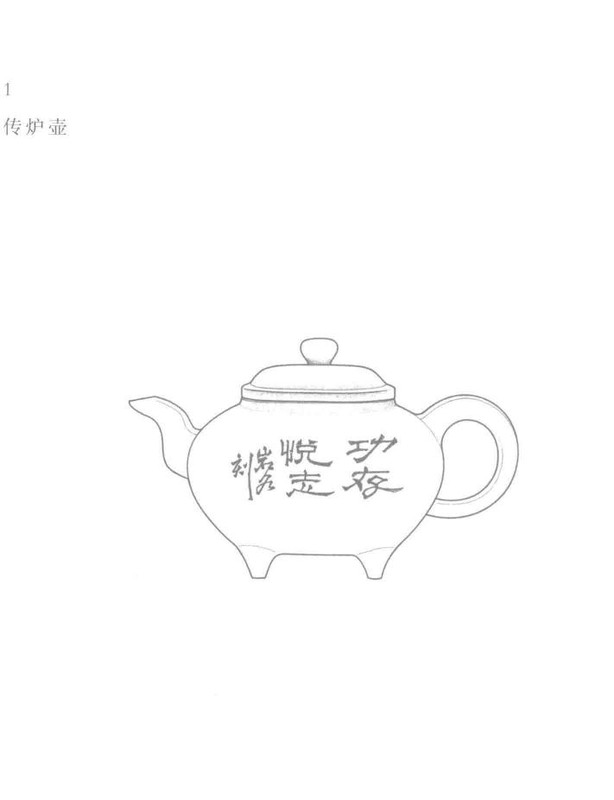
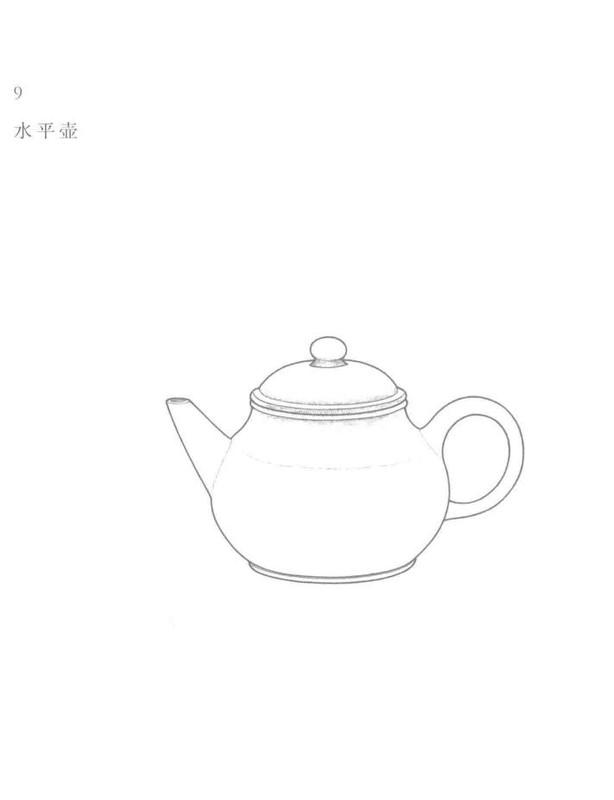
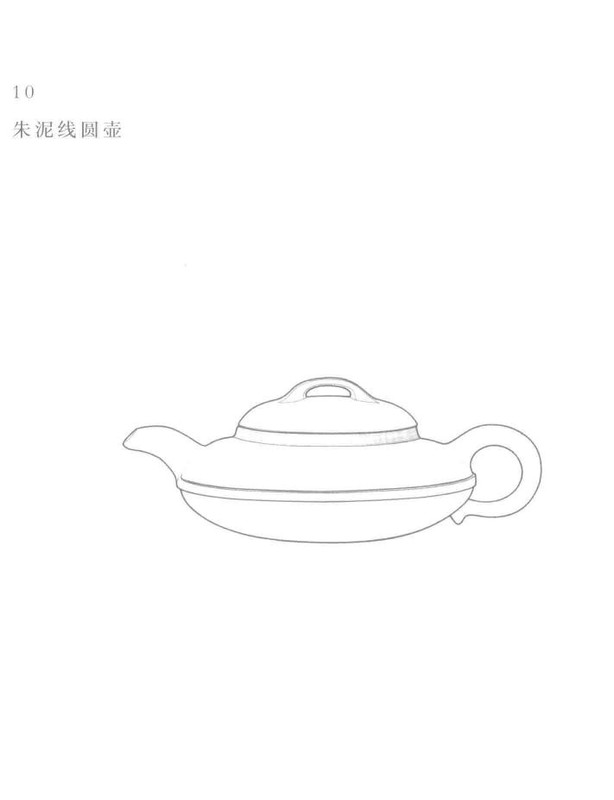
仿鼓壶
Explore this classic Yixing pottery design and its significance in tea culture
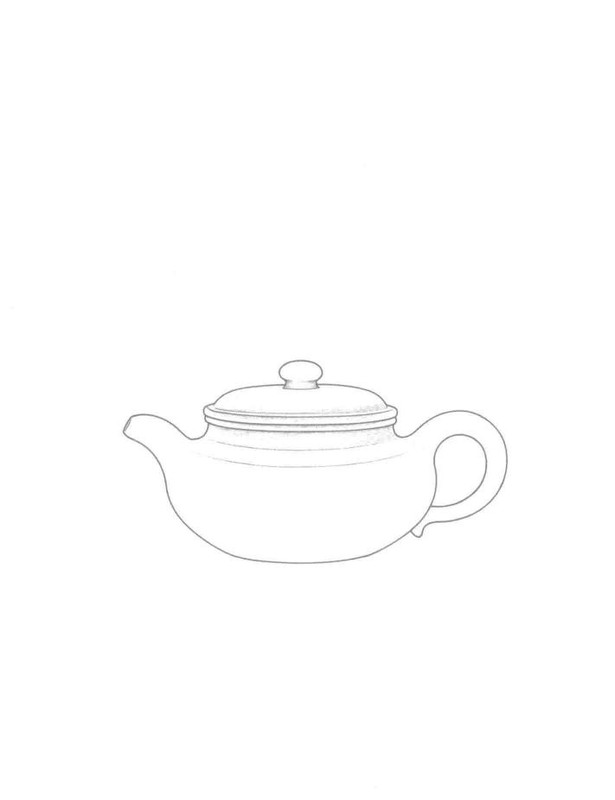
The Fang Gu Hu: A Timeless Drum-Inspired Teapot Design
When you hold a Fang Gu Hu (仿鼓壶) in your hands, you’re not just touching clay—you’re connecting with centuries of Chinese musical and ceramic tradition. This classic Yixing teapot design takes its inspiration from an unlikely source: the ancient Chinese drum. The name itself tells the story: “fang” (仿) means “to imitate” or “inspired by,” while “gu” (鼓) refers to a drum, and “hu” (壶) means teapot. It’s a beautiful example of how Chinese artisans have always looked to the world around them—music, nature, architecture—to create functional art that elevates the simple act of brewing tea.
A Design That Speaks Without Words
The Fang Gu Hu possesses a distinctive silhouette that sets it apart from other Yixing designs. Picture a traditional Chinese drum—round, robust, with a gentle swell at its center—and you’ll begin to understand this teapot’s unique charm. The body is typically barrel-shaped or cylindrical, echoing the form of ceremonial drums used in ancient Chinese courts and temples. This isn’t a delicate, petite teapot; it has presence and substance.
What makes the Fang Gu Hu particularly captivating is how it balances strength with elegance. The walls curve outward from the base, reaching their widest point at the pot’s midsection before tapering slightly toward the shoulder. This creates a sense of fullness and capacity—a visual promise that this pot is ready to serve. The lid typically sits flush with the rim, often featuring a bridge-style or bead-style knob that’s easy to grasp, even when your fingers are slightly damp from handling tea.
The spout on a well-crafted Fang Gu Hu flows naturally from the body, neither too aggressive nor too timid. It should pour with confidence—a steady, controlled stream that doesn’t dribble or splash. The handle, usually a generous C-shape or D-shape, provides comfortable grip and balance. When you lift a properly proportioned Fang Gu Hu, the weight distribution feels intuitive, as if the pot wants to be poured.
Many Fang Gu Hu designs feature subtle decorative elements that reference their drum heritage. You might find raised bands encircling the body, mimicking the metal hoops that secure drum skins. Some artisans add small decorative studs or nail-head patterns, another nod to drum construction. The most refined examples keep these embellishments minimal, allowing the form itself to do the talking.
Roots in Chinese Artistic Tradition
The Fang Gu Hu emerged during a period when Yixing potters were experimenting with geometric and architectural forms, moving beyond purely naturalistic designs like bamboo or fruit shapes. While we can’t pinpoint an exact date of origin, this style reflects the Chinese aesthetic principle of drawing inspiration from everyday objects and elevating them through refined craftsmanship.
Drums have held profound significance in Chinese culture for millennia. They weren’t merely musical instruments—they were tools of communication, used in military campaigns to coordinate troops, in temples to mark ceremonial moments, and in imperial courts to announce important events. The drum represented authority, rhythm, and the heartbeat of community life. By translating this form into a teapot, artisans created a vessel that carries these cultural resonances into the intimate ritual of tea drinking.
The traditional Yixing region, located in Jiangsu Province near Lake Tai, has been the epicenter of Chinese teapot production for over 500 years. The unique zisha clay (purple sand clay) found there possesses remarkable properties: it’s porous enough to absorb tea oils and develop a patina over time, yet dense enough to retain heat effectively. The Fang Gu Hu design takes full advantage of these material qualities, with its substantial walls providing excellent heat retention—crucial for proper tea brewing.
What’s particularly interesting about the Fang Gu Hu is how it represents a more masculine aesthetic within the Yixing tradition. While many teapot designs emphasize delicacy, flowing lines, or natural imagery, the Fang Gu Hu is bold and architectural. It appeals to collectors who appreciate strength, symmetry, and the marriage of form and function. This doesn’t mean it lacks refinement—quite the opposite. The best examples demonstrate that power and elegance aren’t mutually exclusive.
The Perfect Tea Companions
One of the joys of Yixing teapots is how different designs suit different teas, and the Fang Gu Hu has some particularly strong affinities. Its shape and clay characteristics make it an excellent choice for several tea categories.
Oolong teas are perhaps the most natural match for a Fang Gu Hu. The pot’s generous capacity and excellent heat retention make it ideal for the multiple infusions that oolongs demand. Whether you’re brewing a roasted Wuyi rock tea like Da Hong Pao or a greener, more floral Taiwanese high-mountain oolong, the Fang Gu Hu provides the stable temperature environment these teas need to fully express themselves. The clay’s porosity also helps soften any harsh edges in the tea, while the pot’s shape allows the leaves plenty of room to unfurl.
Aged raw pu-erh also thrives in a Fang Gu Hu. These teas benefit from the pot’s heat retention and the way zisha clay can mellow the sometimes intense, earthy flavors of aged tea. If you’re working with a particularly robust sheng pu-erh, the Fang Gu Hu’s substantial build can handle the high temperatures and extended steeping times these teas sometimes require.
Ripe pu-erh (shou pu-erh) is another excellent candidate. The Fang Gu Hu’s design helps maintain the consistent heat that brings out the smooth, sweet, earthy notes in well-aged shou. The pot’s capacity is also practical for pu-erh drinkers who often brew larger quantities for extended tea sessions.
Black teas, particularly Chinese varieties like Keemun or Dian Hong, work beautifully in a Fang Gu Hu. The pot’s heat retention helps extract the full body and complexity of these teas without over-extracting bitterness. The clay’s natural sweetness can enhance the malty, honeyed notes that make Chinese black teas so appealing.
I’d generally steer away from using a Fang Gu Hu for delicate green teas or white teas. These teas prefer cooler water and shorter steeping times, and the Fang Gu Hu’s heat-retaining properties might overwhelm their subtle flavors. Save this pot for teas that can stand up to its robust character.
Brewing Wisdom for Your Fang Gu Hu
Getting the most from your Fang Gu Hu requires understanding both the pot and your tea. Here’s practical advice drawn from traditional practice and modern experience.
Seasoning your pot is the essential first step. When you first acquire a Fang Gu Hu, rinse it thoroughly with hot water to remove any dust from storage. Then, fill it with boiling water and let it sit for a few minutes. Discard this water and repeat several times. Some tea enthusiasts like to do an initial “tea bath”—brewing a pot of the tea type you plan to dedicate this pot to, letting it steep for an extended period, then discarding it. This begins the process of seasoning the clay.
Dedication to one tea type is a traditional practice worth considering. Because Yixing clay absorbs tea oils, many collectors dedicate each pot to a single tea category—one pot for oolong, another for pu-erh, and so on. This allows the pot to develop a patina specific to that tea, which can actually enhance future brewings. However, if you’re just starting out or prefer flexibility, don’t stress too much about this. Just avoid dramatic switches (like going from heavily roasted oolong to delicate jasmine green tea).
Water temperature matters, but the Fang Gu Hu is forgiving. For most oolongs and pu-erhs, you’ll want water just off the boil—around 95-100°C (203-212°F). The pot’s heat retention means the water will stay hot throughout multiple infusions, which is exactly what these teas need. Preheat your pot by filling it with hot water before adding tea leaves; this ensures consistent temperature from the first infusion.
Leaf quantity depends on your tea and personal preference, but the Fang Gu Hu’s capacity typically calls for a generous amount. For a 150-200ml pot (a common size), you might use 6-8 grams of rolled oolong or 5-7 grams of pu-erh. The pot’s shape gives leaves room to expand, so don’t be shy.
Infusion timing follows the gongfu style: short, multiple steeps that gradually increase in length. Start with 20-30 seconds for the first infusion, then add 10-15 seconds for each subsequent brew. The Fang Gu Hu’s excellent pour means you can decant quickly and completely, preventing over-extraction.
Cleaning is simple: after your tea session, empty the leaves, rinse the pot with hot water, and let it air dry completely with the lid off. Never use soap or detergents—they’ll be absorbed by the clay and ruin future brews. The pot will gradually develop a darker patina on the interior and a subtle sheen on the exterior. This is desirable and shows your pot is being properly used and loved.
Storage matters too. Keep your Fang Gu Hu in a place with good air circulation, away from strong odors (the clay will absorb them). Many collectors display their pots on open shelves, which allows them to breathe and adds beauty to the tea space.
Why Tea Lovers Cherish This Design
The Fang Gu Hu represents something essential about tea culture: the recognition that our vessels matter. This isn’t about pretension or unnecessary complication—it’s about honoring the tea and the moment. When you brew tea in a well-made Fang Gu Hu, you’re participating in a tradition that values craftsmanship, patience, and attention to detail.
There’s also something deeply satisfying about the pot’s honest, straightforward design. It doesn’t try to be something it’s not. The drum-inspired form is bold and clear, with no unnecessary flourishes. This directness appeals to tea drinkers who value substance over flash, who understand that true elegance often lies in simplicity and proportion rather than decoration.
For collectors, the Fang Gu Hu offers endless variation within a defined form. Different artisans interpret the drum shape in subtly different ways—some more rounded, others more angular; some with pronounced bands, others smooth and minimal. This means you can explore the design across different makers and clay types, discovering how each variation affects the brewing experience.
The pot also scales beautifully. While many Yixing designs work best at specific sizes, the Fang Gu Hu can be made small for solo sessions or larger for sharing with friends. The proportions remain harmonious across this range, which speaks to the strength of the underlying design.
Living With Your Fang Gu Hu
Owning a Fang Gu Hu is the beginning of a relationship, not a transaction. As you use your pot regularly, you’ll notice changes. The clay will darken slightly, developing a soft luster that comes from tea oils and the natural oils from your hands. The pot will pour more smoothly as the spout seasons. Most remarkably, the tea itself will taste better—the clay truly does enhance the brewing process in ways that glass or porcelain cannot replicate.
Pay attention to how your pot feels in your hand. Notice the weight, the balance, the way the handle sits in your grip. These physical sensations are part of the tea experience, grounding you in the present moment. The Fang Gu Hu’s substantial presence makes it particularly good at this—it has a reassuring heft that reminds you to slow down and be mindful.
Consider keeping a tea journal where you note which teas work particularly well in your Fang Gu Hu, what water temperatures and steeping times you prefer, and how the pot’s performance evolves over time. This isn’t about being obsessive—it’s about deepening your understanding and appreciation.
A Pot for the Long Journey
The beauty of the Fang Gu Hu is that it rewards both beginners and experienced tea drinkers. If you’re new to Yixing teapots, this design offers a forgiving, versatile introduction. Its straightforward form is easier to evaluate than more complex designs, helping you learn what to look for in terms of craftsmanship and proportion. Its compatibility with popular tea types means you’ll get plenty of use from it as you explore different teas.
For seasoned tea enthusiasts, the Fang Gu Hu provides a different kind of satisfaction. It’s a design that reveals its subtleties slowly, through repeated use and comparison with other pots. You begin to appreciate the precision required to make the curves perfectly symmetrical, the skill needed to attach the spout and handle at exactly the right angles, the judgment involved in determining the ideal wall thickness for optimal heat retention.
In a world that often prioritizes novelty over tradition, the Fang Gu Hu stands as a reminder that some designs endure because they simply work. They solve problems elegantly, they age gracefully, and they bring genuine pleasure to daily rituals. This drum-inspired teapot doesn’t shout for attention—it earns respect through performance and presence.
Whether you’re drawn to its cultural resonance, its practical brewing advantages, or simply its honest, appealing form, the Fang Gu Hu offers a worthy companion for your tea journey. It’s a pot that asks you to slow down, pay attention, and find satisfaction in the simple, profound act of brewing and sharing tea. And really, isn’t that what the best tea ware should do?