三足云肩如意壶
Explore this classic Yixing pottery design and its significance in tea culture
The Three-Legged Cloud Shoulder Ruyi Teapot: A Timeless Yixing Treasure
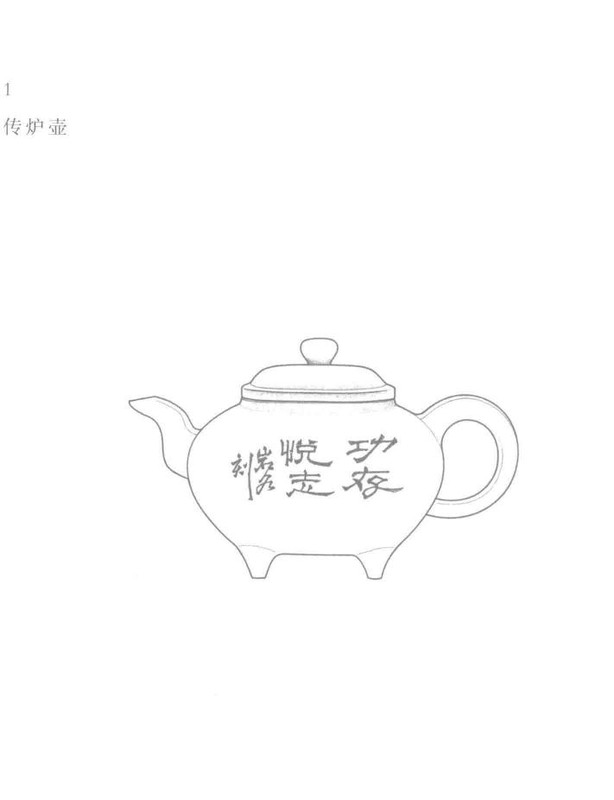
When you first encounter a 三足云肩如意壶 (Sānzú Yúnjiān Rúyì Hú) – the Three-Legged Cloud Shoulder Ruyi Teapot – you’re witnessing centuries of Chinese ceramic artistry distilled into a single, elegant form. This isn’t just a teapot; it’s a conversation between earth, fire, and the human hands that shaped clay into something that transcends mere function.
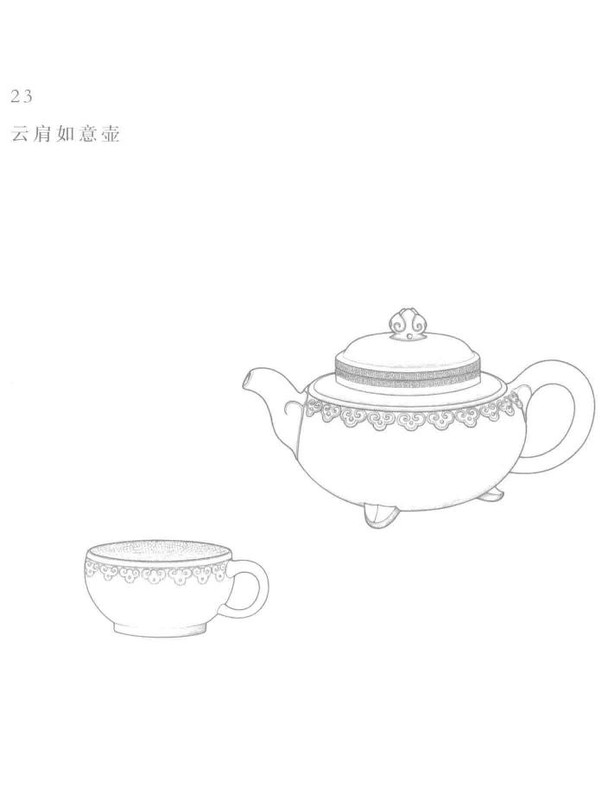
The name itself tells a story. “Sānzú” refers to the three legs that support the pot, grounding it with stability and grace. “Yúnjiān” – cloud shoulder – describes the flowing, cloud-like curves where the body meets the lid. And “Rúyì” carries profound meaning: it’s the wish for everything to go according to one’s heart’s desire, a blessing baked into the very design you hold in your hands.
A Design That Speaks Without Words
Picture this: a teapot that seems to float above your tea table, supported by three delicate legs that lift the rounded body just enough to create visual lightness. The proportions are everything here. Unlike the squat, grounded presence of many Western teapots, the Three-Legged Cloud Shoulder Ruyi pot achieves something remarkable – it feels both substantial and ethereal at once.
The body typically swells gently outward before tapering toward the top, creating a silhouette that potters call “harmonious proportion.” This isn’t accidental. Yixing artisans spent generations refining these curves, understanding that the eye craves balance even when the mind doesn’t consciously register it. The shoulder – that crucial transition zone between body and lid – flows with the organic quality of clouds drifting across a summer sky, hence the poetic “cloud shoulder” designation.
The three legs aren’t merely functional supports. They’re carefully positioned to create perfect stability while adding an architectural element that elevates the entire piece. Some variations feature legs that curve slightly outward, like a tripod finding its footing on uneven ground. Others keep them straight and dignified, emphasizing vertical strength. Each approach changes the pot’s personality entirely.
The spout deserves special attention. In this design, it typically extends in a graceful arc that mirrors the handle’s curve on the opposite side, creating visual symmetry that pleases the eye even before you pour your first cup. The best examples achieve what tea masters call “water command” – the ability to pour a steady stream that stops cleanly without dripping, a quality that comes from precise spout geometry and expert craftsmanship.
Roots in Chinese Ceramic Tradition
To understand this teapot is to understand Yixing itself – that remarkable region in Jiangsu Province where purple clay (zisha) has been transformed into tea vessels for over 500 years. While we can’t pinpoint the exact era when the Three-Legged Cloud Shoulder Ruyi design first emerged, its DNA carries markers of classical Chinese aesthetics that flourished during the Ming and Qing dynasties.
The three-legged form has ancient precedents in Chinese bronze vessels, particularly the “ding” – ceremonial tripod cauldrons that date back thousands of years to the Shang and Zhou dynasties. By incorporating three legs into a teapot design, Yixing potters were drawing a direct line to China’s most venerable artistic traditions, suggesting that the simple act of brewing tea connects us to ancestral rituals and reverence.
The ruyi motif adds another layer of cultural depth. The ruyi scepter – a ceremonial object shaped like a stylized cloud or lingzhi mushroom – symbolized power, good fortune, and the fulfillment of wishes in imperial China. Emperors gave ruyi scepters as gifts; they appeared in paintings as symbols of authority and blessing. When this auspicious symbol merges with teapot design, it transforms an everyday object into something that carries wishes for prosperity and contentment with every pour.
Traditional Yixing craftsmanship emphasized what artisans called “the spirit of the clay.” Unlike glazed ceramics, Yixing pots remain unglazed, allowing the natural purple clay to breathe and interact with tea over time. This creates a unique relationship between pot and beverage – the clay absorbs trace amounts of tea oils, gradually developing a patina that tea enthusiasts call “tea mountain” or “tea scale.” A well-used Three-Legged Cloud Shoulder Ruyi pot becomes a living record of every tea session, its surface growing richer and more lustrous with age.
The Perfect Tea Companions
Here’s where things get deliciously specific. Not every tea belongs in every pot, and the Three-Legged Cloud Shoulder Ruyi design has particular affinities that will enhance your brewing experience.
Oolong teas are perhaps the most natural match. The pot’s medium capacity (most examples hold between 150-250ml) suits the multiple infusions that oolong demands. The clay’s heat retention properties help maintain the consistent temperatures that bring out oolong’s complex flavor evolution – those fascinating shifts from floral to fruity to mineral that make each steeping a new discovery. Try a traditional Tieguanyin or a roasted Wuyi rock tea in this pot, and you’ll understand why generations of tea drinkers have treasured this pairing.
Aged white teas also shine in this vessel. The gentle curves of the pot seem to cradle the delicate, nuanced flavors of a well-aged Bai Mudan or Shou Mei. The clay’s porosity allows the tea to breathe during steeping, preventing the flat, stewed taste that can result from over-extraction in non-porous vessels. The result is a cup that feels rounded and complete, with all the subtle honey and hay notes intact.
Ripe pu-erh (shou pu-erh) finds a welcoming home here too. The earthy, rich character of fermented pu-erh benefits from the clay’s ability to smooth rough edges while preserving depth. The pot’s shape promotes good circulation during steeping, ensuring even extraction of those complex, forest-floor flavors that make pu-erh so distinctive.
I’d be more cautious with green teas in this pot. The heat retention that benefits oolongs can be too much for delicate green teas, which prefer cooler water and shorter steeping times. If you do brew green tea, choose heartier varieties like Taiping Houkui rather than tender, early-spring picks.
Black teas work well, particularly Chinese varieties like Keemun or Dian Hong. The pot’s volume and pour characteristics suit the robust, malty flavors of black tea, and the clay adds a smoothness that tames any astringency.
Brewing Wisdom: Getting the Most from Your Pot
Owning a Three-Legged Cloud Shoulder Ruyi pot is the beginning of a relationship, not a transaction. Here’s how to nurture that relationship into something rewarding.
Seasoning your new pot is essential. Before the first use, rinse it thoroughly with room-temperature water (never soap – the clay will absorb it). Then fill the pot with boiling water and let it sit for 10 minutes. Discard the water and repeat. For the third round, add tea leaves – ideally the type you plan to dedicate this pot to – and let them steep for 20 minutes. This “opens” the clay and begins the seasoning process.
The one-tea rule is worth following. Yixing enthusiasts traditionally dedicate each pot to a single tea type. This allows the clay to develop a patina specifically attuned to that tea’s oils and character. Over months and years, the pot actually enhances the tea’s flavor, adding subtle depth that comes from the accumulated “memory” in the clay. If you’re a committed oolong drinker, let this pot become your oolong pot exclusively.
Water temperature matters more than you might think. The three-legged design provides excellent heat retention, so your water can be slightly cooler than you’d use in a gaiwan or porcelain pot. For oolongs, try starting at 90-95°C (194-203°F) rather than a full boil. The pot will maintain heat beautifully through multiple infusions.
Pouring technique affects extraction. The spout’s design allows for a controlled, steady pour. When decanting, aim for a smooth, continuous stream rather than a hesitant trickle. This ensures even extraction and prevents over-steeping in the pot while you’re pouring.
Cleaning is simple but important. After each session, empty the leaves and rinse with hot water only. Never use soap or detergents. Let the pot air-dry completely with the lid off before storing. Some enthusiasts gently wipe the exterior with a soft tea cloth while the pot is still warm, which helps develop the patina evenly.
Storage between uses: Keep your pot in a well-ventilated spot, never in a closed cabinet where moisture might linger. The clay needs to breathe. Some people display their pots on open shelves, which has the added benefit of letting you admire your collection daily.
The Joy of Living with This Design
What makes the Three-Legged Cloud Shoulder Ruyi pot special isn’t just its technical merits or historical pedigree – it’s the way it transforms the tea ritual into something more contemplative. Those three legs create a visual pause, a moment where the pot seems to hover between earth and air. The cloud-shoulder curves invite your eye to linger, to appreciate the potter’s skill in creating transitions that feel inevitable yet surprising.
When you lift this pot to pour, you’re participating in a tradition that stretches back centuries. The weight in your hand, the warmth of the clay, the arc of tea flowing into your cup – these sensations connect you to countless tea drinkers who found solace, inspiration, and simple pleasure in this same ritual.
The ruyi blessing embedded in the design becomes more than symbolism. It’s a daily reminder that tea time is wish time – a moment to pause, to hope, to let things unfold according to their nature. In our hurried world, that’s no small gift.
Whether you’re a seasoned tea enthusiast or just beginning to explore the depths of Chinese tea culture, the Three-Legged Cloud Shoulder Ruyi teapot offers an entry point into a world where function and beauty, tradition and personal experience, merge into something greater than the sum of its parts. It’s not just about brewing better tea – though it certainly does that. It’s about creating a space in your day where ancient wisdom and present-moment awareness meet over a cup of perfectly steeped leaves.
That’s the real magic of this design: it makes every tea session feel like a small ceremony, a brief retreat from the ordinary, a wish for harmony made tangible in clay and water and leaf.