石瓢壶
Explore this classic Yixing pottery design and its significance in tea culture
The Shi Piao Hu: Mastering the Art of Simplicity in Yixing Pottery
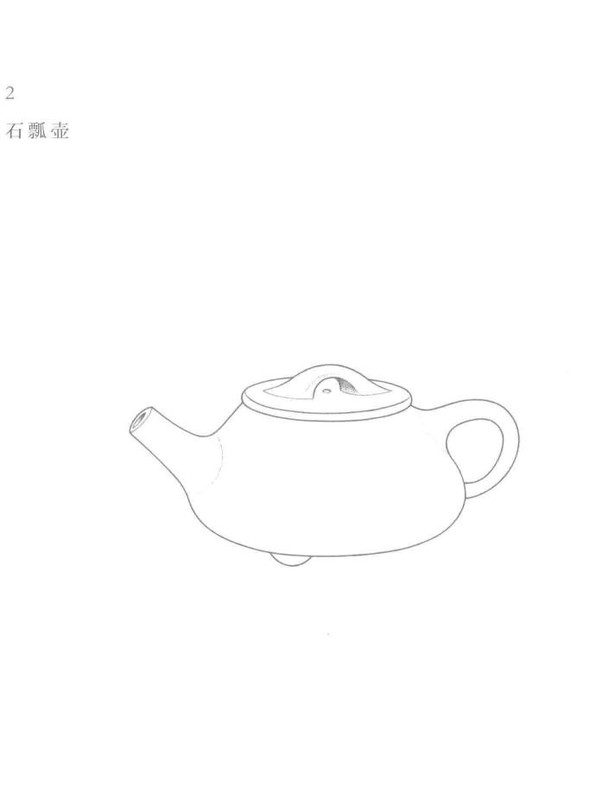
When you first encounter a Shi Piao Hu (石瓢壶), you might be surprised by its understated elegance. In a world of ornate teapots adorned with dragons and phoenixes, this classic Yixing design stands apart through its commitment to pure, geometric beauty. The name itself—which translates roughly to “Stone Ladle Pot”—hints at its philosophy: form following function with an almost Zen-like clarity.
For tea enthusiasts seeking to deepen their brewing practice, understanding the Shi Piao Hu opens a window into centuries of Chinese tea culture. This isn’t just another teapot; it’s a meditation on balance, proportion, and the quiet confidence that comes from perfecting the essentials.
A Design Born from Restraint
The Shi Piao Hu represents one of the most recognizable silhouettes in the Yixing pottery tradition. Picture an inverted trapezoid—wider at the shoulder, tapering gracefully toward a flat base. The body sits low and stable, giving the pot a grounded, almost architectural presence on your tea table.
What makes this design so captivating is its reliance on straight lines and sharp angles rather than curves. The spout extends in a confident, slightly upward trajectory, while the handle arches in a perfect counterbalance. There’s a mathematical precision to the proportions that appeals to both the eye and the hand. When you lift a well-made Shi Piao Hu, the weight distributes perfectly, making even a full pot feel effortless to pour.
The lid typically features a flat or slightly domed top with a bridge-style button—practical for gripping and aesthetically harmonious with the angular body. Many potters add subtle details: a slight inward curve where the shoulder meets the body, or a delicate foot ring that elevates the pot just enough to create visual lightness without sacrificing stability.
This geometric approach isn’t merely aesthetic preference. The wide shoulder and tapered base create an ideal environment for tea leaves to unfurl and circulate during steeping. The broad opening makes it easy to add leaves and clean the pot afterward—a consideration that anyone who’s struggled with narrow-necked teapots will appreciate.
Tracing the Lineage of a Classic
The Shi Piao Hu emerged during a period when Yixing potters were refining their craft into distinct, recognizable forms. While we can’t pinpoint an exact origin date, this design belongs to the classical repertoire that has been passed down through generations of master craftspeople in the Yixing region of Jiangsu Province.
Traditional Yixing pottery developed alongside China’s tea culture, particularly as oolong and pu-erh teas gained prominence. Potters discovered that the unique purple clay (zisha) from the region had remarkable properties: it was porous enough to absorb tea oils over time, yet dense enough to retain heat effectively. This led to the belief that a well-seasoned Yixing pot could enhance tea flavor—a claim that continues to inspire devotion among collectors and daily tea drinkers alike.
The Shi Piao Hu specifically reflects a philosophical shift toward simplicity that resonated with scholars and literati. During various dynasties, as tea drinking evolved from a formal ceremony to a more personal, contemplative practice, teapot designs followed suit. The Shi Piao Hu’s clean lines and lack of ornamentation aligned with ideals of natural beauty and functional elegance that permeated Chinese aesthetics.
What’s remarkable is how this design has endured. While pottery fashions have come and gone, the Shi Piao Hu remains a staple in contemporary Yixing workshops. Modern potters still apprentice by learning to craft this shape, as its apparent simplicity actually demands exceptional skill. Every angle must be precise, every line must flow naturally, and the proportions must achieve that elusive balance that makes the pot feel “right” in the hand.
The Clay Speaks: Understanding Zisha
To truly appreciate a Shi Piao Hu, you need to understand the material itself. Yixing clay, or zisha, comes in several varieties—purple, red, and yellow—each with distinct characteristics. The clay’s unique mineral composition gives it a fine, sandy texture that becomes smooth but never glossy when fired.
This porosity is key. Unlike glazed ceramic or glass, a Yixing pot breathes. During brewing, the clay absorbs minute amounts of tea oils and aromatic compounds. Over months and years of dedicated use, the pot develops what enthusiasts call a “patina”—a subtle sheen and depth of character that comes from countless brewing sessions.
The Shi Piao Hu’s shape maximizes this interaction. The broad interior surface area means more clay in contact with your tea, potentially enhancing the seasoning process. Many tea lovers dedicate a Shi Piao Hu to a single type of tea, allowing the pot to become perfectly attuned to those specific flavors.
Perfect Pairings: Which Teas Shine in a Shi Piao Hu
The versatility of the Shi Piao Hu makes it an excellent choice for several tea categories, though it particularly excels with certain styles.
Oolong Teas: This is where the Shi Piao Hu truly shines. The pot’s heat retention and spacious interior create ideal conditions for oolongs, which need room to expand and benefit from consistent temperature. Try it with a traditional Tie Guan Yin or a roasted Wuyi rock tea. The clay’s subtle influence can round out any sharp edges in the flavor while preserving the tea’s complex aromatics.
Aged Pu-erh: The earthy, deep character of aged pu-erh finds a sympathetic partner in Yixing clay. A well-seasoned Shi Piao Hu can soften any rough notes while amplifying the tea’s natural sweetness and complexity. The pot’s excellent heat retention helps maintain the higher temperatures that coax the best from these teas.
Raw Pu-erh: Younger sheng pu-erh, with its brisk, sometimes astringent character, also works beautifully. The clay’s mellowing influence can tame excessive bitterness while the pot’s design ensures even extraction.
Black Teas: Chinese black teas (hongcha) like Dian Hong or Keemun develop wonderful depth when brewed in a Shi Piao Hu. The pot’s heat retention brings out the malty, sweet notes while the clay adds a subtle roundness to the cup.
What about green teas? Generally, most tea enthusiasts reserve their Yixing pots for darker, more oxidized teas. Green teas typically prefer lower temperatures and don’t benefit as much from the clay’s seasoning properties. That said, some adventurous tea drinkers successfully use Shi Piao Hu pots for roasted green teas or aged whites—there are no absolute rules, only preferences developed through experimentation.
Brewing with Your Shi Piao Hu: Practical Wisdom
Acquiring a Shi Piao Hu is just the beginning. Learning to brew with it effectively takes practice, but the fundamentals are straightforward.
Seasoning Your New Pot: Before first use, give your pot a thorough rinse with hot water to remove any clay dust. Some people perform an elaborate seasoning ritual involving boiling the pot with tea leaves, but a simpler approach works fine: brew several pots of your chosen tea and discard the liquor. This begins the seasoning process without overthinking it.
The Gongfu Approach: The Shi Piao Hu is perfectly sized for gongfu-style brewing—multiple short infusions with a high leaf-to-water ratio. A typical 150-200ml Shi Piao Hu works beautifully for solo sessions or sharing with one or two friends.
Start with water at the appropriate temperature for your tea (near-boiling for oolongs and pu-erh, slightly cooler for delicate teas). Fill the pot completely, allowing water to overflow slightly—this ensures the leaves have maximum contact with water. Pour over the exterior as well; this “external brewing” helps maintain temperature and adds to the ritual.
Timing Your Infusions: Begin with short steeps—perhaps 20-30 seconds for the first infusion—and gradually increase with each subsequent brewing. The Shi Piao Hu’s spout design allows for quick, clean pours, which is essential for controlling extraction.
Maintenance and Care: After each session, empty the leaves and rinse the pot thoroughly with hot water. Never use soap, which can be absorbed by the clay and taint future brews. Let the pot air dry completely with the lid off before storing. Some enthusiasts gently wipe the exterior with a soft cloth while the pot is still warm, gradually building that coveted patina.
Dedication Matters: For best results, dedicate your Shi Piao Hu to one type of tea—or at least one category. A pot used exclusively for roasted oolongs will develop different characteristics than one used for raw pu-erh. This dedication allows the pot to truly become an extension of your tea practice.
Choosing Your Shi Piao Hu
If you’re considering adding a Shi Piao Hu to your tea collection, here’s what to look for:
Craftsmanship: Examine the joints where spout and handle meet the body—they should be seamless and strong. The lid should fit snugly without wobbling, and the spout should pour cleanly without dripping. When you cover the air hole on the lid, the flow should stop immediately, indicating a proper seal.
Proportions: Trust your eye and hand. The pot should feel balanced when you lift it, and the proportions should please you aesthetically. There’s no single “correct” Shi Piao Hu shape—potters interpret the design with subtle variations.
Clay Quality: Authentic Yixing clay has a distinctive sandy texture and matte finish. Be wary of pots that look too smooth or glossy—they may be made from inferior clay or treated with additives. The clay should feel slightly rough to the touch, not slick.
Size Considerations: Shi Piao Hu pots typically range from 100ml to 300ml. Smaller pots (120-180ml) work well for solo sessions and precious teas, while larger ones suit sharing or daily drinking.
The Living Tradition
What makes the Shi Piao Hu enduringly relevant is how it embodies principles that transcend trends. In an age of mass production and disposable goods, using a handcrafted Yixing pot connects you to a living tradition of craftsmanship. Each brewing session adds to your pot’s story, literally changing its character over time.
This isn’t about fetishizing objects or believing in magical properties. Rather, it’s about mindfulness—choosing tools that enhance your practice and bring intentionality to daily rituals. The Shi Piao Hu’s design encourages you to slow down, pay attention, and appreciate the subtle variables that make each cup of tea unique.
Whether you’re a seasoned tea enthusiast or just beginning to explore beyond tea bags, a Shi Piao Hu offers an accessible entry point into the world of Yixing pottery. Its classic design means you’re unlikely to tire of it, and its versatility means it will serve you well across many tea adventures.
The stone ladle pot asks nothing more than to be used, appreciated, and allowed to age gracefully alongside your own deepening tea practice. In its quiet, angular elegance, it reminds us that sometimes the most profound beauty comes from perfecting the essentials rather than adding embellishment. That’s a lesson worth steeping on.