玉露
Explore this classic Yixing pottery design and its significance in tea culture
The Yù Lù (玉露): A Timeless Treasure in Yixing Pottery
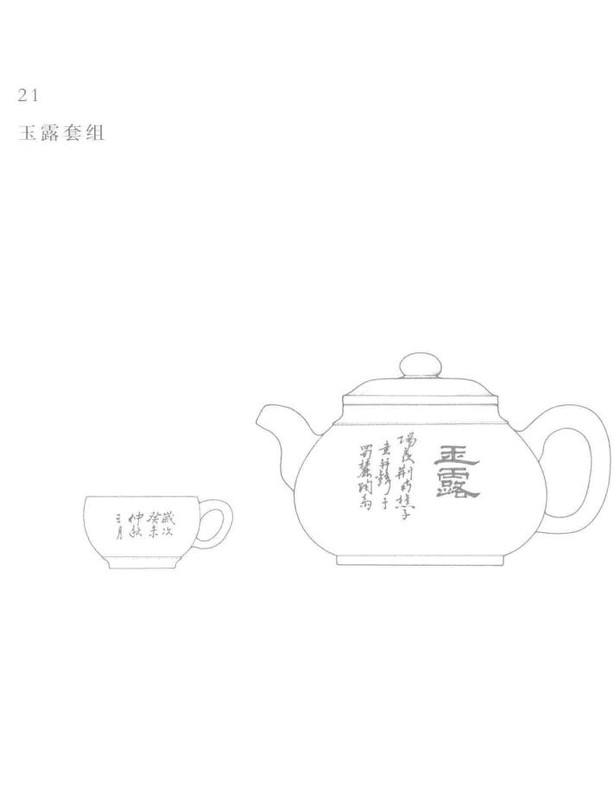
When you hold a Yixing teapot in your hands, you’re not just cradling a vessel for brewing tea—you’re connecting with centuries of Chinese ceramic artistry. Among the classic designs that have endured through generations, the Yù Lù (玉露), whose name translates poetically as “Jade Dew,” stands as a testament to the refined simplicity that defines traditional Yixing craftsmanship.
The name itself evokes imagery that any tea lover can appreciate: those precious first drops of morning dew clinging to jade-green tea leaves, capturing the essence of purity and natural beauty. It’s a fitting name for a teapot design that embodies the philosophy of letting the clay speak for itself, without unnecessary embellishment or pretense.
Understanding the Yù Lù Design
The Yù Lù represents what many consider the heart of Yixing pottery—classic form executed with masterful technique. Unlike some of the more ornate or sculptural Yixing designs that feature elaborate nature motifs or geometric patterns, the Yù Lù embraces restraint. This doesn’t mean it lacks character; rather, its beauty lies in proportion, balance, and the subtle interplay of curves and lines that reveal themselves slowly, like a fine tea unfurling in hot water.
Traditional Yixing teapots are celebrated for their unglazed surfaces, and the Yù Lù is no exception. The natural clay—typically the famous zisha (purple sand) that gives these pots their distinctive character—is left to showcase its inherent texture and color. Over time and with repeated use, the pot develops a patina that tea enthusiasts call “tea shine” or “tea养” (chá yǎng), a lustrous finish that comes from the oils in tea gradually seasoning the porous clay.
The form of a classic Yù Lù typically features gentle, flowing lines that suggest both strength and grace. The body might be rounded or slightly compressed, with a spout that pours cleanly and decisively—a crucial feature for any serious tea drinker. The handle is positioned for comfortable pouring, whether you’re brewing for yourself or serving guests. The lid fits snugly, creating a seal that helps maintain temperature during steeping while allowing just enough air exchange for the tea to breathe.
The Soul of Yixing Clay
What makes any Yixing teapot special isn’t just its shape—it’s the clay itself. The region around Yixing in Jiangsu Province has been producing these remarkable vessels for centuries, and the local zisha clay possesses unique properties that tea lovers have prized for generations.
This clay is naturally porous, with a microscopic structure that allows it to absorb the flavors and aromas of tea over time. This is why serious collectors dedicate individual Yixing pots to specific types of tea—a pot used exclusively for aged pu-erh will develop completely different characteristics than one used for delicate green tea. The clay “remembers” what you brew in it, gradually becoming seasoned and enhancing future infusions with subtle complexity.
The Yù Lù design, with its traditional craftsmanship, showcases this clay beautifully. The unadorned surface lets you appreciate the natural color variations in the clay—from deep purples to warm browns, from reddish tones to golden hues. Each pot is unique, bearing the subtle marks of the artisan’s hands and the particular batch of clay used in its creation.
A Design Rooted in Tradition
While we may not know the exact era when the Yù Lù design first emerged, it belongs to the continuum of traditional Yixing forms that have been refined over centuries. The golden age of Yixing pottery is often associated with the Ming and Qing dynasties, when tea culture flourished among scholars, artists, and the literati. These educated elites didn’t just drink tea—they philosophized about it, wrote poetry about it, and commissioned teapots that reflected their aesthetic values.
The classic designs that emerged during this period emphasized harmony, balance, and natural beauty. They rejected ostentation in favor of subtle sophistication. A teapot like the Yù Lù would have appealed to someone who understood that true elegance doesn’t shout—it whispers.
This philosophy aligns perfectly with the Chinese concept of “wú wéi” (无为), often translated as “effortless action” or “non-doing.” A well-designed Yixing pot should feel inevitable, as if it couldn’t be any other way. Every curve serves a purpose, every proportion contributes to the whole, and nothing is superfluous. The Yù Lù embodies this principle beautifully.
Brewing with the Yù Lù: Which Teas Shine?
One of the most common questions tea enthusiasts ask about any Yixing pot is: “What should I brew in it?” With the Yù Lù’s classic design and traditional craftsmanship, you have several excellent options.
Oolong Teas: The Yù Lù is particularly well-suited to oolong teas, especially the darker, more oxidized varieties. Think traditional Wuyi rock oolongs like Da Hong Pao or Shui Xian, or the rich, roasted Taiwanese oolongs. The clay’s heat retention helps maintain the higher temperatures these teas prefer, while its porosity allows the complex aromatics to develop fully. The pot will gradually absorb the mineral notes and roasted character of these teas, creating a seasoned vessel that enhances each subsequent brewing.
Aged Pu-erh: If you’re a pu-erh enthusiast, a Yù Lù can become your dedicated ripe (shou) pu-erh pot. The earthy, smooth character of aged pu-erh pairs beautifully with Yixing clay, and the pot’s ability to maintain heat helps extract the tea’s full depth. Over time, your pot will develop a rich patina and contribute subtle complexity to your brews.
Black Teas: Chinese black teas (called “red tea” in Chinese) also work wonderfully in a classic Yixing pot. Varieties like Keemun, Dian Hong, or Lapsang Souchong benefit from the clay’s heat retention and the way it softens any harsh edges while preserving the tea’s character.
The key is commitment. Once you’ve chosen your tea type, stick with it. Don’t brew green tea in your oolong pot or switch between wildly different tea styles. The pot’s seasoning is part of its magic, and that only develops with consistent use.
Practical Brewing Guidance
Using a Yixing pot like the Yù Lù is both simple and nuanced—much like tea itself. Here’s how to get the most from your pot:
Initial Preparation: When you first acquire your pot, give it a proper introduction to its purpose. Rinse it thoroughly with hot water, then place it in a pot of boiling water with some leaves of the tea you plan to brew in it. Let it simmer gently for 20-30 minutes. This opens the clay’s pores and begins the seasoning process.
Daily Use: Before each brewing session, warm your pot by filling it with hot water and letting it sit for a minute. This ensures even heat distribution. Discard this water, add your tea leaves (typically filling the pot about one-third full for most oolongs and pu-erhs), and pour in water at the appropriate temperature.
The Rinse: For oolong and pu-erh, many tea lovers do a quick rinse—pour water over the leaves, let it sit for just a few seconds, then discard. This awakens the leaves and warms everything up. Your first “real” infusion comes next.
Multiple Infusions: One of the joys of using a Yixing pot is exploring how tea evolves across multiple steepings. Start with shorter infusions (30-45 seconds) and gradually increase the time. Quality oolongs and pu-erhs can easily give you 6-10 excellent infusions, each revealing different facets of the tea’s character.
After Brewing: Never use soap or detergent on your Yixing pot. Simply rinse it with hot water, wipe it gently with a soft cloth, and let it air dry completely with the lid off. Some enthusiasts like to pour a bit of leftover tea over the exterior during brewing sessions, gradually building up that coveted patina.
The Ritual and the Reward
What makes brewing tea in a Yù Lù—or any traditional Yixing pot—special isn’t just the technical aspects. It’s the ritual, the mindfulness, the connection to tradition. When you use the same pot day after day, you develop an intimate relationship with it. You learn exactly how it pours, how it feels in your hand, how the tea tastes when brewed in this particular vessel.
This pot becomes a partner in your tea practice. You notice how it changes over months and years of use, developing character and depth just as you deepen your own understanding of tea. The clay darkens, the surface becomes smoother and more lustrous, and the tea somehow tastes better—whether that’s the pot’s seasoning or your own growing appreciation is impossible to say. Perhaps it’s both.
Caring for Your Investment
A well-made Yixing pot is an investment, both financially and emotionally. Treat it with respect, and it will serve you for decades. Store it in a place where it won’t get knocked around. Handle it gently—while the clay is durable, the spout and handle are vulnerable to chips and cracks.
If you take a break from using your pot, make sure it’s completely clean and dry before storing it. Some collectors keep their pots in cloth bags or wooden boxes to protect them from dust and damage.
And remember: a Yixing pot is meant to be used, not just displayed. The beauty of the Yù Lù design reveals itself through use, through the gradual transformation that comes from countless tea sessions. Don’t be afraid to brew with it daily. That’s what it was made for.
Finding Your Own Yù Lù
If you’re considering adding a Yù Lù to your tea collection, take your time finding the right one. Look for pots made by reputable artisans using authentic Yixing clay. The pot should feel balanced in your hand, pour smoothly without dribbling, and have a lid that fits snugly without being too tight.
Consider the size based on how you typically drink tea. Smaller pots (100-150ml) are perfect for solo sessions or gongfu-style brewing with frequent infusions. Larger pots work better if you’re often serving guests or prefer longer, more relaxed brewing sessions.
Most importantly, choose a pot that speaks to you aesthetically. You’ll be looking at it, holding it, and using it regularly. It should bring you joy every time you reach for it.
Conclusion: More Than Just a Teapot
The Yù Lù represents something essential in tea culture: the understanding that simplicity, when executed with skill and intention, creates something profound. This isn’t a flashy pot that demands attention. It’s a quiet companion that enhances your tea experience through thoughtful design and the remarkable properties of Yixing clay.
Whether you’re new to Yixing pottery or a seasoned collector, a classic design like the Yù Lù offers a direct connection to centuries of tea tradition. It reminds us that the best tools are often the simplest ones, and that true craftsmanship never goes out of style.
So brew your tea, pour with intention, and let the Jade Dew work its subtle magic. Your tea—and your tea practice—will be all the richer for it.