柱础壶
Explore this classic Yixing pottery design and its significance in tea culture
The Zhuchuo Hu: A Foundation of Yixing Tradition
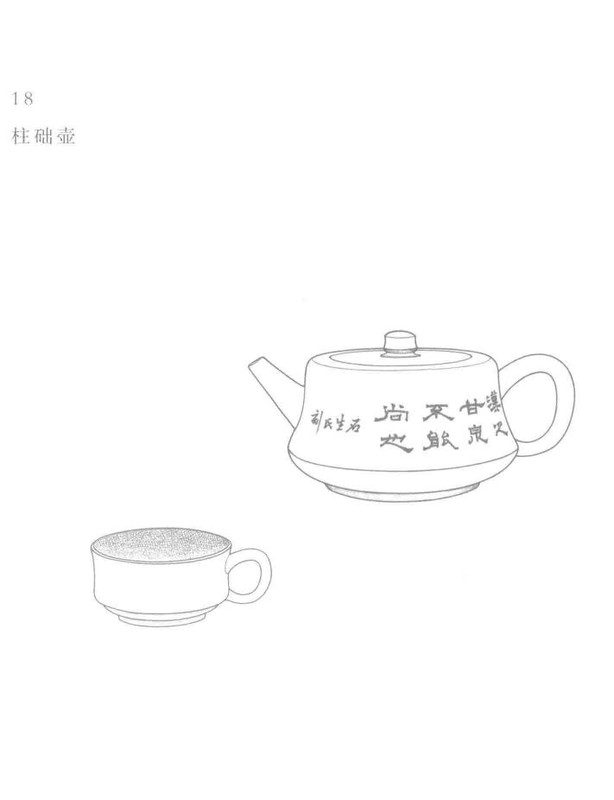
When you first encounter a Zhuchuo Hu (柱础壶), you might find yourself pausing, teacup halfway to your lips, wondering about the story behind its distinctive name. “Zhuchuo” translates to “column base” or “pillar foundation”—those sturdy stone platforms that ancient Chinese architects placed beneath wooden pillars to distribute weight and prevent decay. It’s an unusual name for a teapot, isn’t it? Yet once you understand the connection, you’ll never look at this classic Yixing design quite the same way again.
A Design Rooted in Architecture
The Zhuchuo Hu draws its inspiration from the architectural elements that have supported Chinese buildings for millennia. If you’ve ever visited a traditional Chinese temple or palace, you’ve walked past dozens of these column bases—often carved with intricate patterns, sometimes simple and austere, but always solid and purposeful. The potters of Yixing, never ones to miss an opportunity for creative inspiration, saw in these architectural foundations a form that could translate beautifully into clay.
The body of a Zhuchuo Hu typically features a robust, grounded presence. Unlike the more delicate, spherical teapots that seem to float on their feet, this design sits with authority. The walls often display a gentle outward curve that echoes the way traditional column bases flare at their tops to better support the weight above. There’s something deeply satisfying about the proportions—a visual stability that makes the pot feel like it belongs exactly where it sits on your tea table.
The Language of Clay and Form
What makes the Zhuchuo Hu particularly fascinating is how it balances strength with refinement. The body might be substantial, but look closer and you’ll notice the subtle sophistication in every curve. The transition from the foot to the body isn’t abrupt—it flows with the kind of grace that only comes from generations of potters refining a form, each adding their own slight variation while respecting the essential character of the design.
The spout on a Zhuchuo Hu tends toward the practical rather than the ornate. You’ll often find it emerging from the body in a confident arc, neither too aggressive nor too timid. When a skilled potter crafts one of these teapots, the spout pours with that satisfying precision that makes you want to brew tea just to watch the amber liquid flow. There’s no sputtering, no dribbling down the side—just a clean, controlled stream that stops the moment you return the pot to upright.
The handle, too, reflects the architectural inspiration. It’s typically sturdy enough to give you confidence when lifting a pot full of hot water, yet shaped with enough consideration for the human hand that it never feels clumsy. Some variations feature a handle that mirrors the curve of the body, creating a visual harmony that’s pleasing even when the pot sits empty on a shelf.
Traditional Craftsmanship in Every Detail
Yixing pottery has been celebrated for centuries, and the Zhuchuo Hu represents the kind of classical design that has endured because it simply works. There’s no need for excessive decoration when the form itself speaks so clearly. The traditional Yixing clay—whether it’s the iron-rich zisha that fires to a purple-brown, the warmer hongni, or the pale duanni—provides all the visual interest the pot needs.
The surface of a well-made Zhuchuo Hu invites touch. Yixing clay, when properly prepared and fired, develops a texture that’s neither too smooth nor too rough. It’s the kind of surface that improves with use, gradually developing a subtle sheen as the oils from tea and the natural oils from your hands interact with the clay over months and years of brewing. This patina, which collectors call “tea shine” or “tea glow,” is one of the great pleasures of owning a Yixing pot—watching it slowly transform through use.
A Pot for Contemplative Brewing
The Zhuchuo Hu’s solid, grounded character makes it particularly well-suited to certain types of tea. This isn’t a pot that whispers—it speaks with a clear, steady voice that complements teas with similar qualities.
Aged Oolongs find a natural home in a Zhuchuo Hu. Those dark, roasted oolongs from Wuyi Mountain or aged Tieguanyin from Anxi benefit from the pot’s ability to maintain steady heat. The substantial walls help moderate temperature fluctuations, allowing the tea to steep evenly and release its complex, mature flavors without the sharp edges that can come from temperature instability.
Ripe Pu-erh (shou pu-erh) is another excellent match. The earthy, smooth character of well-aged ripe pu-erh harmonizes beautifully with the Zhuchuo Hu’s straightforward design philosophy. The pot doesn’t try to transform the tea—it simply provides the ideal environment for the tea to express itself fully. The clay’s porosity helps soften any rough edges in younger ripe pu-erh while allowing aged versions to bloom with their full complexity.
Liu Bao and other dark teas also pair wonderfully with this pot style. These teas, often overlooked in favor of their more famous pu-erh cousins, have a depth and subtlety that the Zhuchuo Hu’s steady heat retention brings forward. The pot’s design seems to encourage the kind of patient, meditative brewing that these teas reward.
Some tea enthusiasts also use their Zhuchuo Hu for heavily roasted oolongs like traditional Tieguanyin or Dancong. The pot’s thermal properties help these teas maintain the warmth they need to fully express their roasted character without becoming harsh or bitter.
Brewing Wisdom: Getting the Most from Your Zhuchuo Hu
If you’re fortunate enough to acquire a Zhuchuo Hu, here’s how to make the most of this classic design:
Seasoning Your Pot: Before first use, give your pot a gentle introduction to its purpose. Rinse it with room-temperature water, then fill it with boiling water and let it sit until cool. Repeat this a few times. Some people like to do an initial brewing with the type of tea they plan to dedicate the pot to, discarding that first infusion. This isn’t strictly necessary, but it’s a nice ritual that begins the relationship between pot and tea.
Temperature Considerations: The Zhuchuo Hu’s substantial build means it retains heat well. For most dark oolongs and pu-erh, you’ll want to use fully boiling water. The pot will moderate the temperature naturally, so don’t worry about scorching your tea. However, if you’re brewing something more delicate, you might want to let your water cool for 30 seconds after boiling before filling the pot.
Timing Your Infusions: Start with short steeps—perhaps 10-15 seconds for the first infusion. The Zhuchuo Hu’s heat retention means your tea will continue extracting even as you pour, so err on the side of brevity at first. You can always extend subsequent infusions. Many teas will give you 6-8 excellent infusions, sometimes more, with steeping times gradually increasing.
The Warming Ritual: Before adding your tea leaves, pour hot water into the empty pot, swirl it around, and pour it out. This preheats the clay and ensures your first infusion starts at the right temperature. Pour this warming water over the outside of the pot as well—it’s good for the clay and creates a pleasant ritual moment.
Leaf Quantity: The Zhuchuo Hu typically works well with a generous amount of leaf—perhaps filling the pot one-third to one-half full with dry leaves. This might seem like a lot if you’re used to Western-style brewing, but remember, you’re doing multiple short infusions. The leaves will expand significantly, especially with oolongs and pu-erh.
Care and Cultivation
One of the joys of owning a Yixing pot is watching it develop character over time. After each brewing session, empty the leaves, rinse the pot with hot water (no soap—ever!), and let it air dry completely with the lid off. The clay is porous and needs to breathe. Never put a Yixing pot away while still damp, as this can lead to musty odors or even mold.
Some enthusiasts dedicate each Yixing pot to a single type of tea. This isn’t strictly necessary with a Zhuchuo Hu, but if you primarily brew one category of tea—say, ripe pu-erh—the pot will gradually absorb subtle flavors that enhance future brewings. It’s a form of seasoning that happens naturally over time.
Between uses, store your pot in a place with good air circulation, away from strong odors. The same porosity that makes Yixing clay excellent for brewing also means it can absorb unwanted smells from its environment.
Why This Design Endures
In a world of constantly evolving tea trends and ever-more-elaborate teaware designs, the Zhuchuo Hu remains relevant because it embodies a fundamental truth: good design serves function without sacrificing beauty. The pot doesn’t demand attention—it earns respect through performance.
There’s something deeply satisfying about using a teapot whose design language references the foundations of buildings that have stood for centuries. It’s a reminder that the best tools are often those that honor tradition while remaining perfectly suited to their purpose. The Zhuchuo Hu doesn’t try to be revolutionary; it simply aims to be excellent at what it does.
For the tea enthusiast who values substance over flash, who finds beauty in proportion and purpose rather than decoration, the Zhuchuo Hu offers a brewing experience that feels both grounded and elevated. It’s a pot that encourages you to slow down, to pay attention, to appreciate the ritual of tea preparation as much as the tea itself.
Finding Your Own Zhuchuo Hu
If this design speaks to you, take your time finding the right pot. Look for clean lines, smooth curves, and a spout that aligns properly with the handle. The lid should fit snugly without wobbling, and when you pour water through the pot, it should flow cleanly without backup or sputtering. Pick up the pot—does it feel balanced? Does the handle sit comfortably in your hand?
The clay itself should have a fine, even texture without obvious impurities or rough patches. While some surface variation is normal and even desirable in handmade pottery, the overall quality should be evident. A well-made Zhuchuo Hu isn’t necessarily expensive, but it should feel like something crafted with care and skill.
Whether you’re just beginning your journey with Yixing pottery or adding to an established collection, the Zhuchuo Hu offers a connection to centuries of tea culture and ceramic artistry. It’s a pot that rewards regular use, that improves with time, and that brings a sense of stability and tradition to your tea practice. In our fast-paced world, there’s something profoundly centering about brewing tea in a vessel whose very name reminds us of foundations—of the solid ground beneath our feet and the traditions that support our present moment.