僧帽壶
Explore this classic Yixing pottery design and its significance in tea culture
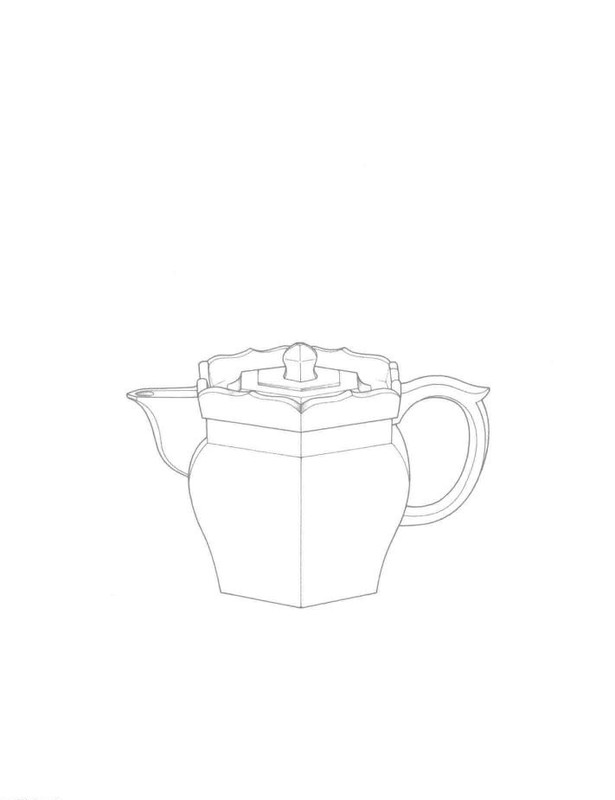
The僧帽壶 (Sēng Mào Hú): The Monk’s Hat Teapot That Bridges Heaven and Earth
When you first encounter a 僧帽壶 (Sēng Mào Hú), you might do a double-take. This isn’t your typical rounded Yixing teapot. Instead, you’re looking at something that seems to defy the usual rules of teapot design—a vessel whose lid rises in a distinctive peaked shape that immediately explains its poetic name: the Monk’s Hat Teapot.
This classic design has captivated tea enthusiasts for centuries, and once you understand its story, you’ll never look at it the same way again.
A Teapot Inspired by Spiritual Devotion
The 僧帽壶 takes its name from the traditional hats worn by Buddhist monks during China’s imperial dynasties. These hats, with their characteristic peaked crowns and wide brims, were more than just practical headwear—they symbolized the monk’s dedication to spiritual practice and their position between the earthly and divine realms.
When Yixing potters began crafting teapots in this distinctive shape, they weren’t simply copying a hat. They were embedding layers of meaning into a functional object. The teapot became a meditation on simplicity, discipline, and the elevation of everyday rituals—values that resonate deeply with the tea ceremony itself.
Think about it: both monks and tea practitioners seek mindfulness in repetitive, careful actions. Both value simplicity over ostentation. Both understand that the most profound experiences often come in the quietest moments. The 僧帽壶 embodies this philosophical connection in clay.
The Visual Poetry of the Design
At first glance, the Monk’s Hat teapot breaks the mold—literally. While many Yixing teapots feature rounded, organic shapes that echo gourds, fruits, or smooth river stones, the 僧帽壶 introduces angular geometry into the conversation.
The defining feature is, of course, the lid. It rises to a central peak, creating a silhouette that’s unmistakably reminiscent of traditional monastic headwear. This peaked crown isn’t just decorative—it serves a practical purpose by allowing steam to condense and drip back into the pot rather than escaping, keeping your tea at the perfect temperature just a bit longer.
The body of the pot typically features clean, elegant lines. Some versions maintain a cylindrical or slightly tapered form, while others incorporate subtle curves that soften the overall geometry. The spout usually extends in a graceful arc, balanced by a handle that mirrors its curve on the opposite side. This symmetry creates a sense of harmony and balance—another nod to Buddhist principles.
What makes each 僧帽壶 unique is how individual potters interpret these basic elements. Some craftspeople emphasize the angular qualities, creating sharp, dramatic peaks and straight-sided bodies. Others soften the edges, allowing gentle curves to temper the geometric foundation. The best examples achieve a perfect tension between structure and flow, discipline and grace.
The surface treatment varies as well. Traditional Yixing clay—whether purple, red, or the prized “duan ni” (段泥, pale clay)—is often left relatively unadorned, allowing the natural beauty of the material to speak for itself. The clay’s texture might be smooth and refined or slightly grainy, each finish affecting how the pot feels in your hands and how it develops its patina over time.
Roots in Traditional Chinese Craftsmanship
The 僧帽壶 emerged during a golden age of Yixing pottery, when master craftspeople were experimenting with forms that went beyond purely functional vessels. While we can’t pinpoint an exact date of origin, this design belongs to the classical repertoire that developed over several centuries of refinement.
Yixing, located in Jiangsu Province, became famous for its unique purple clay (紫砂, zǐshā) during the Ming Dynasty (1368-1644). The clay’s special properties—its porosity, heat retention, and ability to absorb tea oils—made it ideal for teapots. As the craft evolved, potters began creating designs that reflected Chinese cultural values, artistic sensibilities, and philosophical traditions.
The Monk’s Hat teapot likely emerged during a period when Buddhist influence on Chinese culture was particularly strong. Buddhism had been present in China for centuries, but it experienced various revivals and periods of intense cultural integration. The teapot’s design reflects this integration—a secular object that carries spiritual symbolism, making the sacred accessible in daily life.
What’s fascinating is how this design has endured. While some Yixing shapes come and go with changing tastes, the 僧帽壶 has remained a beloved classic. Contemporary potters still craft these teapots, each bringing their own interpretation while respecting the traditional form. This continuity speaks to the design’s fundamental appeal—it’s both distinctive enough to stand out and balanced enough to feel timeless.
The Perfect Tea Companions
One of the joys of Yixing teapots is how different shapes and clay types complement different teas. The 僧帽壶, with its particular characteristics, shines with certain tea varieties.
Oolong Teas: This is where the Monk’s Hat teapot truly excels. The pot’s shape and the typical clay used in its construction make it ideal for traditional oolongs, especially those from the Wuyi Mountains or Taiwanese high-mountain varieties. The peaked lid helps maintain consistent temperature, which is crucial for coaxing out the complex flavor profiles of these semi-oxidized teas. Try it with a classic Da Hong Pao or a floral Tie Guan Yin—you’ll notice how the tea opens up beautifully over multiple infusions.
Aged Teas: The 僧帽壶 handles aged oolongs and aged white teas with particular grace. These teas benefit from the stable brewing environment the pot provides, and the clay’s ability to soften any rough edges in older teas while preserving their depth and complexity. An aged Bai Mu Dan or a vintage Taiwanese oolong will reveal layers of flavor you might miss in other vessels.
Ripe Pu-erh: While many tea enthusiasts dedicate specific pots to pu-erh, a 僧帽壶 can be an excellent choice for ripe (shou) pu-erh. The pot’s heat retention brings out the earthy, smooth characteristics of these fermented teas, while the clay helps mellow any residual fermentation notes in younger ripe pu-erhs.
Black Teas: Don’t overlook Chinese black teas (red teas) in this pot. A Yunnan Dian Hong or a Fujian Jin Jun Mei can be spectacular when brewed in a well-seasoned 僧帽壶. The pot enhances the natural sweetness and body of these teas while maintaining their bright, lively character.
The key is to dedicate your pot to one type of tea—or at least to teas with similar flavor profiles. Yixing clay is porous and will absorb the oils and essences of whatever you brew in it. Over time, this “seasoning” actually improves the pot’s performance with that particular tea type, but it also means you shouldn’t switch between, say, a delicate oolong and a robust pu-erh.
Brewing Wisdom: Getting the Most from Your Monk’s Hat Pot
Owning a 僧帽壶 is the beginning of a relationship, not a one-time purchase. These pots improve with use, developing a patina and character that reflects your tea journey. Here’s how to make the most of yours.
Initial Preparation: When you first acquire your pot, give it a proper introduction to its purpose. Rinse it thoroughly with room-temperature water, then place it in a pot of water and bring it to a gentle simmer for 20-30 minutes. This opens the clay’s pores and removes any dust from manufacturing. Let it cool naturally, then brew several pots of the tea you plan to use regularly, discarding the liquid. This begins the seasoning process.
Temperature Matters: The 僧帽壶’s design helps maintain heat, which is generally what you want for oolongs and black teas. Use water just off the boil (around 95°C/203°F) for most oolongs and black teas. For more delicate oolongs or aged whites, you might drop to 90°C/194°F. The pot will hold this heat well, so you don’t need to worry about pre-warming as much as you would with porcelain.
The Gongfu Approach: This pot is ideal for gongfu-style brewing—multiple short infusions that allow the tea to evolve over time. Fill the pot about one-third full with dry leaves (adjust based on the tea’s density and your taste preferences). Start with 20-30 second infusions, gradually increasing the time with each subsequent steep. The 僧帽壶’s shape allows for excellent water circulation, ensuring even extraction.
Pouring Technique: The peaked lid design means you need to be slightly more mindful when pouring. Hold the lid in place with your finger—not pressing down hard, just securing it. The spout should pour cleanly without dripping if the pot is well-made. Pour decisively; hesitant pouring can lead to drips and wasted tea.
After Each Session: Rinse your pot with hot water only—never use soap, which the clay will absorb. Remove the lid and let both pieces air dry completely before storing. Some enthusiasts gently wipe the exterior with a soft tea cloth while the pot is still warm, which helps develop an even patina over time.
Building the Patina: As you use your pot regularly, you’ll notice the exterior developing a subtle sheen. This patina is prized among collectors and represents the pot’s history of use. Some people accelerate this by occasionally pouring tea over the exterior during brewing sessions, but patience yields the most authentic results. A well-used 僧帽壶 that’s decades old will have a warm, lustrous surface that no amount of polishing could replicate.
Seasonal Considerations: In winter, you might want to pre-warm your pot with a quick rinse of hot water before adding leaves. In summer, the pot’s heat retention is less of an issue, and you might even experiment with slightly shorter infusions to keep things refreshing.
Why This Pot Matters Today
In our fast-paced world, the 僧帽壶 offers something increasingly rare: a connection to slowness, intentionality, and tradition. Every time you brew tea in this pot, you’re participating in a practice that stretches back centuries. You’re using a design that emerged from spiritual contemplation and was refined by generations of craftspeople.
But this isn’t about nostalgia or rigid adherence to the past. The Monk’s Hat teapot remains relevant because it works. Its design isn’t arbitrary—every element serves the purpose of making better tea. The peaked lid, the clay’s properties, the proportions that allow for proper leaf expansion—these features emerged from countless brewing sessions and careful observation.
For modern tea enthusiasts, the 僧帽壶 represents a sweet spot between form and function. It’s distinctive enough to be a conversation piece, yet practical enough for daily use. It carries cultural significance without being precious or unapproachable. And it makes genuinely excellent tea.
Finding Your Own Monk’s Hat
If you’re considering adding a 僧帽壶 to your tea practice, take your time. Look for pots made by reputable craftspeople who understand traditional techniques. The clay should feel substantial but not heavy, and the lid should fit snugly without being difficult to remove. The spout, lid opening, and handle should align in a straight line when viewed from above—a sign of careful construction.
Don’t be afraid to start with a modestly priced pot from a skilled maker rather than immediately investing in a famous artist’s work. As you develop your relationship with the form, you’ll better understand what you value in a 僧帽壶, and you can always add to your collection later.
Remember, the best teapot is the one you’ll actually use. The 僧帽壶, with its blend of spiritual symbolism, practical design, and aesthetic appeal, invites regular use. It’s a pot that rewards attention and improves with time—much like the tea practice itself.
So the next time you sit down for a quiet tea session, consider reaching for a Monk’s Hat teapot. Let its distinctive silhouette remind you to approach your tea with the same mindfulness and presence that monks bring to their practice. After all, the best tea ceremonies aren’t about elaborate rituals or expensive equipment—they’re about being fully present for a simple, beautiful moment.
And that’s a lesson worth brewing into every cup.