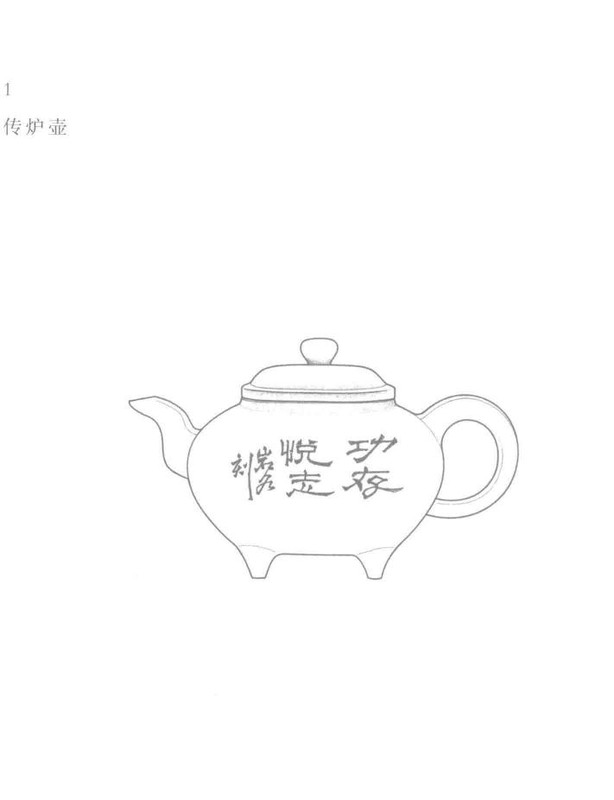
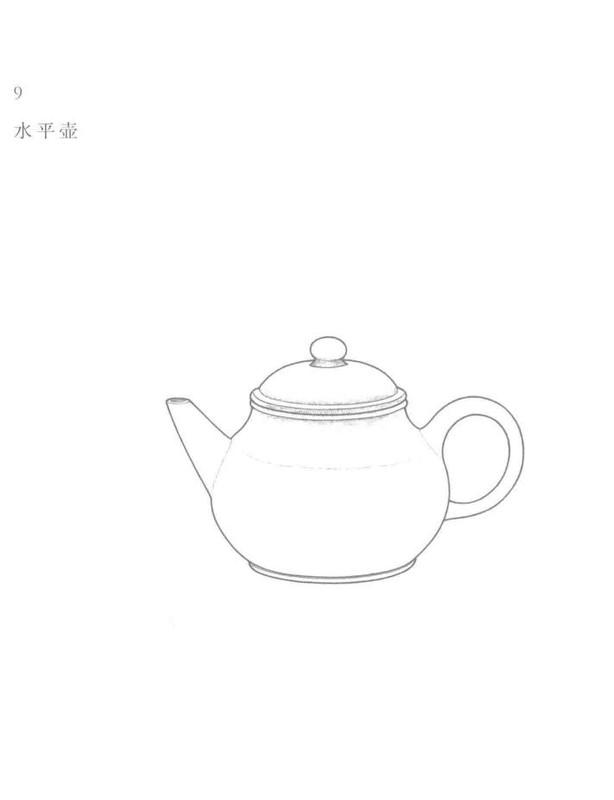
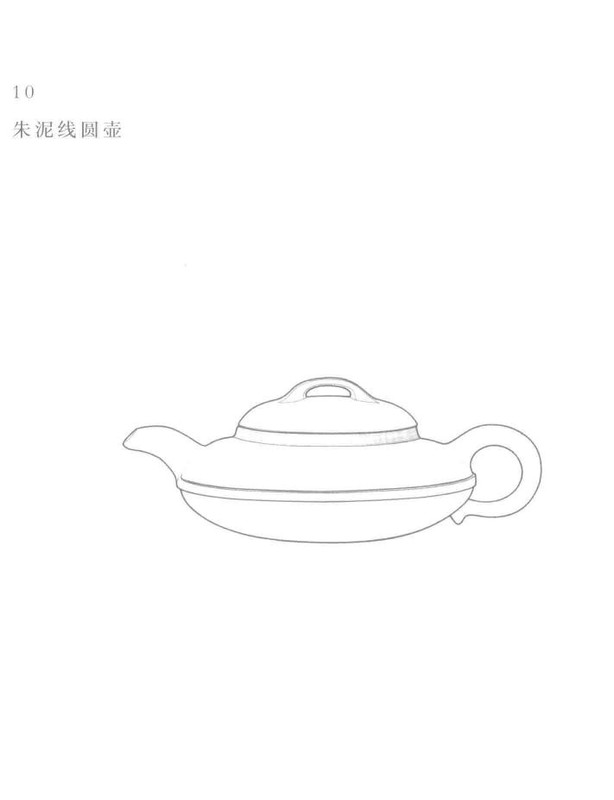
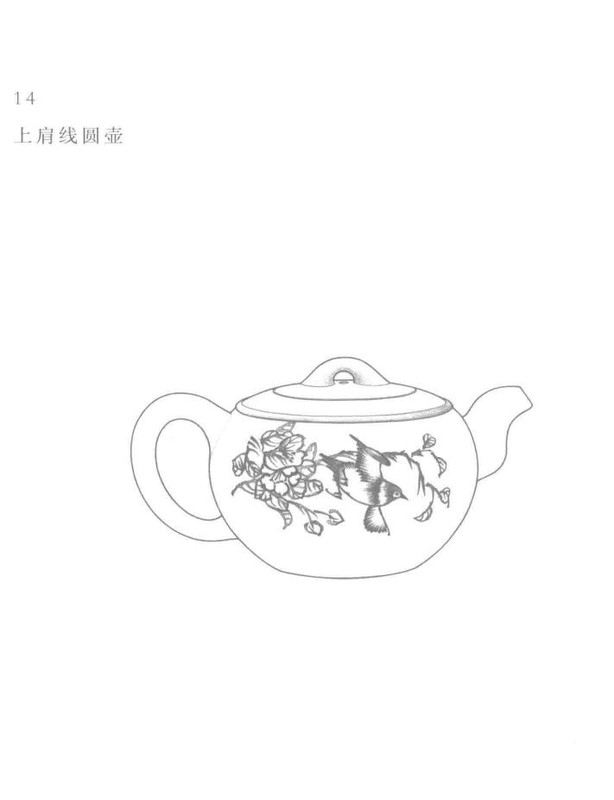
上肩线圆壶
Explore this classic Yixing pottery design and its significance in tea culture
The Shangjiangxian Yuan Hu: A Timeless Classic in Yixing Pottery
When you hold a well-crafted Yixing teapot in your hands, you’re not just touching clay—you’re connecting with centuries of tea culture, artisan tradition, and the quiet philosophy that a perfect cup of tea begins long before water meets leaves. The Shangjiangxian Yuan Hu (上肩线圆壶), or “Round Pot with Upper Shoulder Line,” embodies this connection beautifully, representing one of the most enduring and beloved forms in the Yixing pottery canon.
This classic design might not have the dramatic flair of a dragon-adorned ceremonial pot or the quirky charm of fruit-shaped novelty teapots, but that’s precisely where its magic lies. The Shangjiangxian Yuan Hu speaks in a quieter voice—one that tea enthusiasts who value substance over spectacle have been listening to for generations.
Understanding the Name: Poetry in Clay
The Chinese name 上肩线圆壶 tells us everything we need to know about this pot’s defining characteristic. “Shang” (上) means upper, “jian” (肩) refers to the shoulder, “xian” (线) means line, “yuan” (圆) translates to round, and “hu” (壶) is simply pot. Put together, we have a round teapot distinguished by a prominent line at its upper shoulder—a seemingly simple detail that actually requires considerable skill to execute properly.
In Yixing pottery, names aren’t arbitrary. They’re descriptive, almost technical, yet they carry an aesthetic weight. The shoulder line isn’t just a decorative element; it’s a structural feature that defines the pot’s silhouette, influences how it pours, and affects how it feels in your hand. This attention to functional beauty is what separates Yixing pottery from mere vessels—these are tools designed by people who understood tea not as a beverage but as a practice.
The Visual Language of Simplicity
At first glance, the Shangjiangxian Yuan Hu might seem almost austere. Its form is fundamentally spherical, with gentle curves that create a sense of completeness and balance. But look closer, and you’ll notice that defining shoulder line—a subtle ridge or transition point where the upper portion of the pot meets the body. This line creates a visual break that prevents the pot from appearing too plain while maintaining an overall sense of harmony.
The beauty here is in proportion. The spout typically extends in a smooth, confident arc, neither too aggressive nor too timid. The handle curves in a complementary fashion, creating negative space that feels intentional rather than accidental. The lid sits flush with the body, often with a button-style knob that echoes the pot’s rounded geometry.
Traditional Shangjiangxian Yuan Hu designs favor clean lines over ornamentation. You won’t find elaborate carvings or applied decorations here. Instead, the pot’s appeal comes from the quality of the clay itself—the way light plays across its surface, the subtle variations in color that develop with use, and the tactile pleasure of running your fingers along that distinctive shoulder line.
This minimalist approach isn’t about lacking imagination; it’s about confidence. The potter is saying, “The form itself is enough. The clay is enough. The function is enough.” In our age of constant visual stimulation, there’s something deeply refreshing about an object that doesn’t try to shout for your attention.
Roots in Tradition: The Yixing Legacy
Yixing pottery comes from the Jiangsu province in eastern China, where the unique zisha (purple clay) has been mined and worked for over a thousand years. While we don’t have specific dating for the Shangjiangxian Yuan Hu design’s origin, its classification as a “classic” form tells us it has stood the test of time, likely emerging during one of the golden ages of Yixing production—possibly during the Ming or Qing dynasties when teapot design reached extraordinary heights of refinement.
During these periods, tea culture in China was evolving from the powdered tea ceremonies of earlier dynasties toward the loose-leaf brewing methods we recognize today. This shift demanded new tools, and Yixing potters responded by developing teapot forms that could handle the longer steeping times and multiple infusions that loose-leaf tea required.
The round pot form, which the Shangjiangxian Yuan Hu exemplifies, became popular because it offered practical advantages. The spherical shape allows water to circulate evenly around the leaves, promoting uniform extraction. The wider body provides ample room for leaves to unfurl and expand. The shoulder line, meanwhile, helps direct the flow when pouring, reducing drips and ensuring a clean pour.
But beyond functionality, these classic forms also reflected philosophical ideals. The circle represents completeness and harmony in Chinese aesthetics. A well-proportioned round pot embodies balance—not too heavy, not too light; not too ornate, not too plain. It’s the Goldilocks of teapots, and that “just right” quality has kept it relevant across centuries.
The Perfect Tea Companions
One of the joys of Yixing pottery is how different pot styles suit different teas. The Shangjiangxian Yuan Hu, with its moderate size and balanced proportions, is wonderfully versatile, but it particularly shines with certain tea types.
Oolong teas are perhaps the ideal match. Whether you’re brewing a roasted Wuyi rock oolong or a greener Taiwanese high-mountain variety, the round body gives the partially oxidized leaves room to expand while the clay’s heat retention properties help maintain the optimal brewing temperature. The pot’s shape encourages the complex aromatics of oolong to develop fully, and over time, the clay will season specifically to enhance these characteristics.
Aged white teas also pair beautifully with this pot style. These teas benefit from the even heat distribution that a round pot provides, and their subtle, evolving flavors won’t be overwhelmed by the clay’s influence. As your pot seasons, it will develop a patina that complements the mellow, sweet notes of aged white tea.
Ripe pu-erh (shou pu-erh) is another excellent choice. The earthy, smooth character of ripe pu-erh harmonizes well with Yixing clay, and the pot’s design handles the multiple quick infusions that this tea style demands. The shoulder line helps ensure clean pours even when you’re working quickly through several steepings.
Black teas, particularly Chinese varieties like Keemun or Dian Hong, work well in this pot. The clay softens any astringency while allowing the tea’s natural sweetness and complexity to shine through.
What you might want to avoid are delicate green teas or very light white teas, which can be overwhelmed by the clay’s influence and might benefit from glass or porcelain instead. Similarly, heavily scented teas like jasmine might leave persistent aromas that affect future brews.
Brewing Wisdom: Getting the Most from Your Pot
If you’re fortunate enough to acquire a Shangjiangxian Yuan Hu, here’s how to make the most of this classic design.
Seasoning Your Pot: Before first use, give your pot a proper introduction to its purpose. Rinse it with hot water, then brew several pots of the tea type you plan to dedicate it to, discarding the liquor. This begins the seasoning process and removes any clay dust from production. Never use soap—the porous clay will absorb it.
Dedication Matters: Traditional wisdom says to dedicate each Yixing pot to a single tea type, or at least a single category. This isn’t just superstition. The clay absorbs oils and compounds from the tea, gradually building up a patina that enhances future brews. Switching between, say, oolong and pu-erh will create a muddled flavor profile.
Temperature Control: The clay’s heat retention is one of its superpowers. Preheat your pot with hot water before brewing to ensure stable temperatures. For oolongs, you’ll want water just off the boil (around 195-205°F). For aged whites or ripe pu-erh, full boiling water works beautifully.
Leaf Ratio: The round body can handle a generous amount of leaf—typically about one-third to one-half full when dry. Don’t be shy. The leaves need room to expand, but Yixing brewing often uses more leaf and shorter steeping times than Western methods.
Pouring Technique: That shoulder line isn’t just decorative—it helps guide the pour. Tip the pot decisively; hesitant pouring leads to drips. The spout should deliver a clean, controlled stream. If it doesn’t, the pot might not be well-made, or you might need to adjust your angle.
Cleaning: After each session, simply rinse with hot water and let the pot air dry completely with the lid off. The