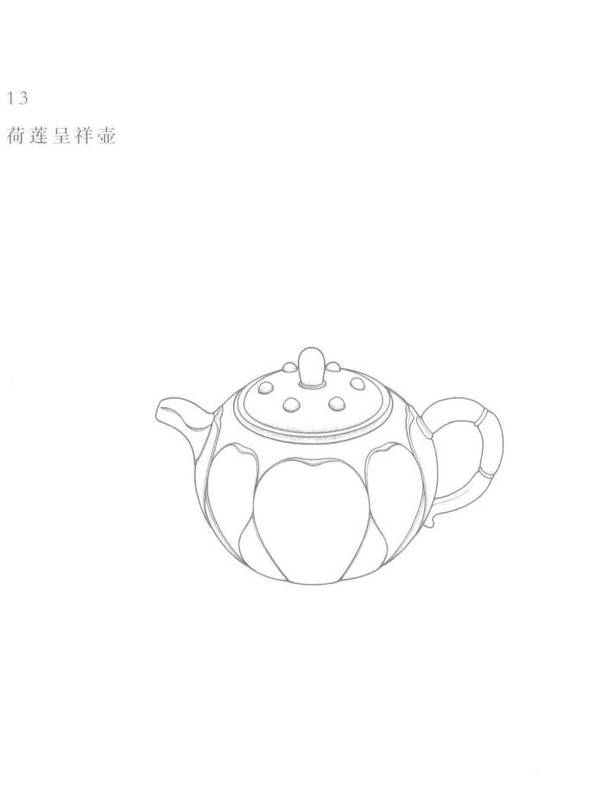
荷莲呈祥壶
Explore this classic Yixing pottery design and its significance in tea culture
The Lotus Blessing Teapot: A Symbol of Harmony in Yixing Pottery
When you hold a teapot adorned with lotus blossoms in your hands, you’re not just preparing tea—you’re participating in a centuries-old conversation between nature, artistry, and the simple pleasure of a well-brewed cup. The 荷莲呈祥壶 (Hé Lián Chéng Xiáng Hú), which translates beautifully as the “Lotus Blessing Teapot” or “Auspicious Lotus Teapot,” represents one of the most beloved motifs in traditional Yixing pottery. This design captures the essence of what makes Chinese tea culture so endlessly fascinating: the marriage of practical function with profound symbolism.
A Design Rooted in Cultural Reverence
The lotus flower holds a special place in Chinese culture that goes far beyond mere aesthetics. Rising from muddy waters to bloom in pristine beauty, the lotus has symbolized purity, enlightenment, and spiritual awakening for thousands of years. Buddhist and Daoist traditions both embrace the lotus as a representation of the soul’s journey—emerging from the murky depths of worldly concerns to achieve clarity and grace.
When Yixing artisans chose to incorporate lotus imagery into their teapot designs, they weren’t simply decorating a vessel. They were infusing the daily ritual of tea drinking with layers of meaning. The name itself—呈祥 (chéng xiáng)—means “presenting auspiciousness” or “bringing good fortune.” Every time you brew tea in a Lotus Blessing Teapot, you’re invoking wishes for prosperity, harmony, and peace.
This isn’t just poetic fancy. In traditional Chinese households, the objects we use daily are chosen with intention. A teapot bearing lotus motifs transforms an ordinary afternoon tea session into a moment of mindfulness, a reminder to seek beauty and tranquility even in life’s mundane moments.
The Visual Poetry of Lotus-Adorned Clay
What makes the Lotus Blessing Teapot immediately recognizable is its delicate yet confident incorporation of natural forms into the structured geometry of a functional vessel. Traditional versions of this design typically feature lotus flowers, leaves, or seed pods sculpted in relief across the body of the pot, or sometimes forming the knob of the lid.
The lotus leaves might curve gracefully around the pot’s rounded belly, their veined surfaces catching light and shadow in ways that make the clay seem almost alive. Some artisans create lotus petals that appear to unfold from the base of the spout, as if the tea itself flows from the heart of the flower. Others position a lotus bud or seed pod as the lid’s handle, creating a tactile connection to nature every time you lift it to add leaves or pour.
The beauty of Yixing clay—that famous purple sand (紫砂, zǐshā) from the region near Lake Tai—provides the perfect canvas for these botanical details. The clay’s natural earth tones, ranging from deep reddish-browns to warm ochres and cool grays, echo the colors found in actual lotus ponds: the rich mud, the green stems, the pink and white petals, the golden stamens.
Traditional Lotus Blessing Teapots often maintain relatively simple, rounded forms—perhaps a xi shi (西施) shape with its elegant curves, or a fang gu (仿古) style with its slightly flattened profile. The lotus decoration enhances rather than overwhelms these classical silhouettes. The restraint is intentional: in Chinese aesthetics, the most sophisticated art knows when to hold back, allowing empty space to breathe and the viewer’s imagination to complete the picture.
Historical Roots in Yixing’s Golden Age
While the exact origins of the Lotus Blessing Teapot design are difficult to pinpoint—as with many traditional Yixing forms that evolved organically over generations—the incorporation of lotus motifs into teaware became particularly prominent during the Ming and Qing dynasties. This was the golden age of Yixing pottery, when the region’s artisans elevated teapot making from craft to high art.
During the Ming dynasty (1368-1644), tea culture underwent a significant transformation. The earlier practice of whisking powdered tea gave way to steeping whole leaves, which required different vessels. Yixing teapots, with their excellent heat retention and the clay’s unique ability to enhance tea flavor over time, became the preferred choice of connoisseurs. As demand grew, so did the artistry.
The Qing dynasty (1644-1912) saw even greater refinement. Imperial patronage and the wealth of merchant classes created a market for increasingly sophisticated teapots. Artisans began signing their works, and certain makers achieved celebrity status. It was during this period that decorative techniques flourished, including the intricate relief work that characterizes lotus-themed designs.
The lotus motif itself has even deeper roots. Chinese ceramics have featured lotus designs since the Song dynasty (960-1279), appearing on everything from bowls to vases. When Yixing potters incorporated these traditional patterns into their teapots, they were connecting their work to centuries of artistic heritage while creating something distinctly suited to tea culture.
What’s remarkable is how these traditional designs have endured. Even today, contemporary Yixing artists continue to create Lotus Blessing Teapots, sometimes adhering strictly to classical forms, other times reinterpreting the motif with modern sensibilities. This continuity speaks to the design’s timeless appeal—its ability to feel both ancient and fresh, formal and intimate.
The Perfect Tea Companions
One of the joys of Yixing teapots is how they develop a relationship with specific teas over time. The unglazed clay absorbs trace amounts of tea oils, gradually building up a seasoning that enhances future brews. This means choosing which tea to dedicate your Lotus Blessing Teapot to is an important decision.
Oolong teas are perhaps the most traditional pairing with Yixing pots, and they work beautifully with lotus-themed designs. The floral, complex character of a good oolong—whether it’s a roasted Wuyi rock tea or a greener Taiwanese high-mountain variety—seems to resonate with the lotus imagery. There’s a poetic harmony in brewing a tea with orchid or osmanthus notes in a pot adorned with lotus flowers. The clay’s heat retention helps oolong leaves fully unfold and release their layered flavors across multiple infusions.
Aged white teas also pair wonderfully with these pots. As white tea ages, it develops deeper, more complex flavors—earthy, sweet, sometimes with hints of dried fruit or flowers. The gentle, contemplative nature of white tea aligns perfectly with the lotus’s symbolism of purity and enlightenment. Using a Lotus Blessing Teapot for aged white tea creates a meditative brewing experience that honors both the tea’s transformation over time and the pot’s cultural significance.
Ripe pu-erh (shou pu-erh) is another excellent choice, particularly for pots made from darker Yixing clays. The rich, earthy, sometimes woody character of ripe pu-erh benefits from the clay’s ability to smooth out any rough edges while maintaining the tea’s depth. There’s something grounding about brewing this deeply fermented tea in a vessel decorated with lotus flowers—a reminder that beauty and refinement can emerge from humble origins.
Raw pu-erh (sheng pu-erh), especially aged varieties, also works well. The clay helps temper young raw pu-erh’s astringency while allowing its complex flavors to shine. As both the tea and the pot age together, they develop a partnership that deepens with each brewing session.
Some tea enthusiasts also use lotus-themed pots for jasmine pearls or other scented teas, finding that the floral decoration complements the tea’s aromatic profile. However, be mindful that strongly scented teas will season your pot accordingly, so commit to this choice if you go this route.
Brewing Wisdom: Getting the Most from Your Lotus Blessing Teapot
Owning a traditional Yixing teapot is a privilege that comes with certain responsibilities—but don’t let that intimidate you. The care these pots require is part of the ritual, another way of slowing down and being present with your tea.
Seasoning Your New Pot
Before first use, your Lotus Blessing Teapot needs a gentle introduction to its purpose. Rinse it thoroughly with warm water to remove any dust from storage or shipping. Then, place it in a pot of water with some leaves from the tea you plan to dedicate it to, and bring it to a gentle simmer for 20-30 minutes. This opens the clay’s pores and begins the seasoning process. Let it cool naturally in the water, then rinse and dry completely.
The Brewing Process
Yixing pots excel at gongfu-style brewing—multiple short infusions that allow you to experience how a tea evolves. Preheat your pot by filling it with hot water and letting it sit for a minute. This ensures even heat distribution and prevents thermal shock to the clay.
Use water at the appropriate temperature for your chosen tea. The pot’s excellent heat retention means it will maintain temperature well throughout the brewing session. For oolong, this might be 195-205°F; for aged white or pu-erh, you can go with fully boiling water.
Fill the pot with leaves—typically about one-third full for rolled oolongs, or enough to cover the bottom for more open-leaf teas. Pour water over the leaves, filling to just below the rim. Place the lid on and pour additional hot water over the outside of the pot. This external rinse serves multiple purposes: it maintains temperature, rinses away any drips, and gradually builds the pot’s patina.
Infusion times start short—perhaps 20-30 seconds for the first steep—and gradually increase with each subsequent brewing. A good tea might give you 6-10 infusions or more, each revealing different aspects of its character.
Daily Care and Long-Term Maintenance
After each tea session, empty the leaves and rinse the pot thoroughly with hot water—no soap, ever. The clay is porous, and soap will be absorbed, ruining your pot’s seasoning and future brews. Use a soft brush if needed to remove any stuck leaves, paying special attention to the relief details of the lotus design where leaves might lodge.
Let the pot air dry completely before storing it. Some enthusiasts leave the lid off or slightly ajar to ensure thorough drying. Never put a Yixing pot away while still damp, as this can lead to mold or musty odors.
Over time, you’ll notice your pot developing a sheen—a patina that tea lovers call “tea shine” or “tea glow.” This is the visible evidence of your pot’s seasoning, the accumulation of tea oils that will make each subsequent brew smoother and more flavorful. Some people gently wipe their pots with a tea-soaked cloth after brewing to enhance this patina, though this is optional.
Avoiding Common Mistakes
Never expose your Yixing pot to sudden temperature changes. Don’t pour boiling water into a cold pot, and don’t rinse a hot pot with cold water. The clay can crack from thermal shock.
Don’t use your Lotus Blessing Teapot for multiple types of tea. The seasoning you build up is specific to one tea category. Switching between, say, oolong and pu-erh will create a muddled flavor profile that doesn’t do justice to either tea.
If your pot develops an off smell or you want to “reset” it, you can repeat the initial boiling process. However, this will remove much of the seasoning you’ve built up, so it’s better to avoid this if possible through proper care.
The Ritual of Beauty
What makes the Lotus Blessing Teapot special isn’t just its functionality or even its beauty in isolation. It’s how this design invites you to slow down and pay attention. When you brew tea in a pot adorned with lotus flowers, you’re reminded that the goal isn’t just caffeine or even flavor—it’s the experience itself.
The lotus rises from mud but remains unstained. Your tea leaves, too, transform through their journey: growing in soil, withering in sun, rolling under skilled hands, and finally unfurling in hot water to release their essence. The teapot is the vessel that honors this transformation, and when that vessel itself carries symbolic meaning, the entire ritual deepens.
In our rushed modern lives, the deliberate pace of gongfu brewing with a traditional Yixing pot offers a form of meditation. The multiple short infusions require you to stay present, to notice how the tea changes from steep to steep, to appreciate the warmth of the clay in your hands, to observe how light plays across the sculpted lotus petals.
This is what the old tea masters understood: tea isn’t just a beverage, and a teapot isn’t just a tool. They’re gateways to mindfulness, to aesthetic appreciation, to connection with centuries of tradition. The Lotus Blessing Teapot, with its layers of cultural meaning and its practical excellence, embodies this philosophy perfectly.
Whether you’re a seasoned tea enthusiast or just beginning to explore the world of Chinese tea culture, a Lotus Blessing Teapot offers both beauty and function. It’s an invitation to participate in a tradition that values patience, craftsmanship, and the small moments of grace that make life rich. Every time you brew tea in this pot, you’re not just making a drink—you’re cultivating your own small lotus garden, finding purity and peace in the simple act of steeping leaves in water.
And really, isn’t that what the best tea experiences are all about?