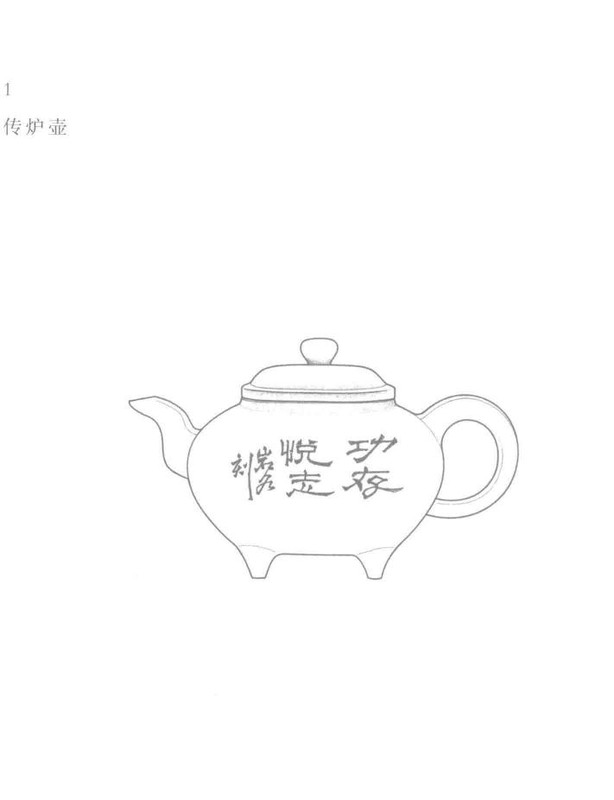
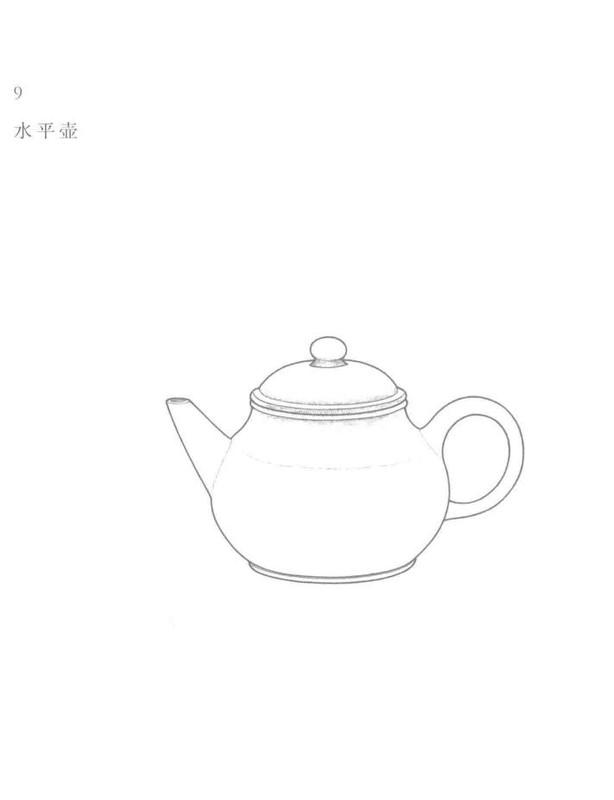
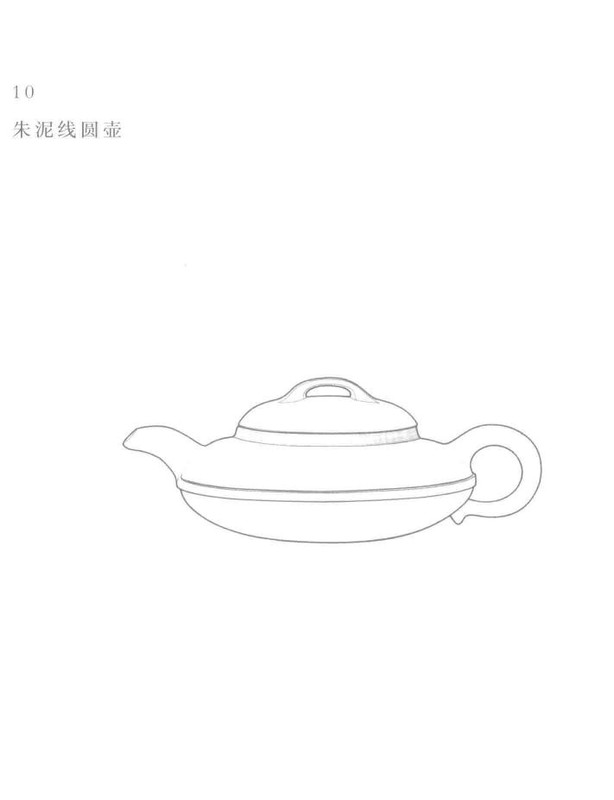
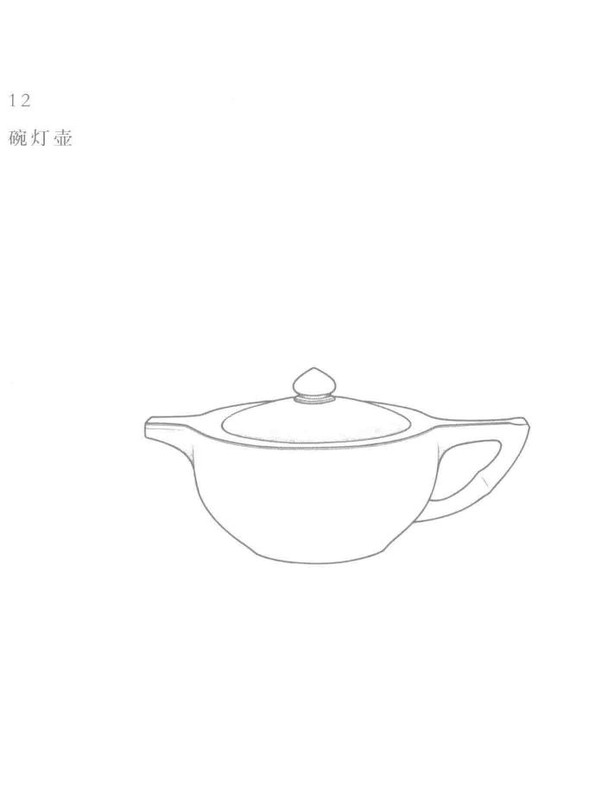
艳灯壶
Explore this classic Yixing pottery design and its significance in tea culture
The Yan Deng Hu: A Luminous Classic in Yixing Pottery
When you hold a traditional Yixing teapot in your hands, you’re not just gripping clay—you’re connecting with centuries of Chinese tea culture. The Yan Deng Hu (艳灯壶), whose name translates roughly to “Brilliant Lantern Pot,” represents one of those timeless designs that has captivated tea enthusiasts for generations. While its exact origins remain shrouded in the mists of tea history, this classic form continues to enchant collectors and daily tea drinkers alike with its elegant simplicity and functional beauty.
A Name That Illuminates
The Chinese name 艳灯壶 carries poetic weight. “Yan” (艳) suggests something vivid, brilliant, or splendid—think of the way light catches on a polished surface. “Deng” (灯) means lantern or lamp, while “Hu” (壶) simply means pot or teapot. Together, they evoke an image of a vessel that glows with warmth, perhaps reminiscent of traditional Chinese lanterns that once lit evening tea gatherings.
This naming tradition reflects the Chinese appreciation for finding poetry in everyday objects. A teapot isn’t merely functional—it’s a companion in the ritual of tea, deserving of a name that captures its spirit and character. The Yan Deng Hu’s moniker suggests it was designed to bring light and warmth to the tea table, much like a lantern brings comfort to darkness.
The Visual Poetry of Form
The Yan Deng Hu embodies the principle that great design doesn’t shout—it whispers. This classic Yixing form typically features proportions that feel instinctively right in the hand, with curves that flow naturally from body to spout to handle. The traditional craftsmanship evident in these pots speaks to generations of potters refining their understanding of both aesthetics and function.
What makes a Yan Deng Hu distinctive is its balanced geometry. The body often presents a rounded, slightly compressed form that maximizes internal volume while maintaining an elegant external profile. This isn’t accidental—Yixing potters understood that the shape of a teapot affects how water circulates during brewing, how heat distributes, and ultimately how tea tastes.
The spout on a well-crafted Yan Deng Hu demonstrates the potter’s skill. It should pour cleanly without dribbling, with a flow that can be controlled from a gentle trickle to a steady stream. The traditional approach involves careful attention to the angle and internal bore of the spout, ensuring that tea leaves don’t clog the opening while water flows freely.
The handle, too, tells a story. Traditional Yixing handles aren’t just attached—they’re integrated into the pot’s overall design language. On a Yan Deng Hu, the handle typically curves in a way that balances the visual weight of the spout while providing a comfortable, secure grip. After all, you’re often pouring hot water, and the last thing you want is an awkward or unstable hold.
The lid deserves special mention. A proper Yixing lid should fit snugly enough to create a slight vacuum when you cover the air hole with your finger and pour—this prevents the lid from falling off during service. Yet it shouldn’t be so tight that you struggle to remove it. This precision fitting is one hallmark of quality craftsmanship in traditional Yixing pottery.
Clay That Breathes
The magic of Yixing pottery lies in its clay—specifically, the famous zisha (purple sand) clay from the Yixing region of Jiangsu Province. This clay is porous, meaning it “breathes” in a way that glazed ceramics cannot. Over time, a Yixing pot seasoned with the same type of tea develops a patina that tea lovers call “tea memory.”
This porosity affects brewing in subtle but meaningful ways. The clay absorbs trace amounts of tea oils and compounds, gradually building up layers of flavor. It also helps regulate temperature, cooling boiling water slightly and maintaining heat during steeping. For certain teas, this temperature moderation is exactly what’s needed to avoid bitterness while extracting full flavor.
The traditional Yan Deng Hu would have been crafted from one of the classic Yixing clay types—perhaps zini (purple clay), hongni (red clay), or duanni (yellow clay). Each clay type has its own character, affecting not just the pot’s appearance but also how it interacts with tea. Purple clay tends to be more neutral, red clay can enhance certain flavor notes, and yellow clay is prized for its fine texture and subtle influence on delicate teas.
A Vessel for the Tea Ritual
Understanding which teas pair well with a Yan Deng Hu requires thinking about both the pot’s physical properties and the nature of different tea types. The traditional craftsmanship and classic form of this design make it particularly versatile, but certain teas truly shine when brewed in this style of pot.
Oolong teas are perhaps the most natural match. The moderate size typical of classic Yixing forms like the Yan Deng Hu is perfect for the gongfu brewing style that oolongs demand. Whether you’re brewing a roasted Wuyi rock tea or a greener Taiwanese high-mountain oolong, the pot’s ability to maintain steady heat while allowing the tea to breathe creates ideal conditions. The clay’s porosity helps soften any harsh edges in the flavor while preserving the tea’s aromatic complexity.
Aged pu-erh also finds a welcoming home in a Yan Deng Hu. These teas benefit from the pot’s heat retention and the way the clay can mellow the earthy, sometimes musty notes that characterize older pu-erh. If you dedicate your pot to pu-erh (a common practice among serious tea drinkers), the accumulated tea memory will eventually enhance every subsequent brewing, adding depth and smoothness.
Black teas, particularly Chinese varieties like Keemun or Dian Hong, work beautifully in this pot style. The clay’s temperature regulation prevents over-extraction while allowing the tea’s malty, sweet notes to develop fully. The pot’s form also facilitates the multiple short infusions that reveal the full character of quality black teas.
Raw pu-erh (sheng pu-erh) can be excellent in a Yan Deng Hu, especially younger raw pu-erhs that benefit from the clay’s mellowing influence. The pot helps tame the astringency that can dominate young sheng while allowing its complex flavors to unfold across multiple infusions.
What about green teas or white teas? Here, tradition suggests caution. These delicate teas are typically brewed at lower temperatures and benefit from glass or porcelain that won’t impart any flavor. However, some tea enthusiasts do use Yixing pots for certain robust green teas or aged white teas, finding that the clay adds an interesting dimension. It’s a matter of personal preference and experimentation.
Brewing Wisdom: Getting the Most from Your Pot
If you’re fortunate enough to brew tea in a Yan Deng Hu, here’s how to honor both the pot and the tea:
Seasoning your pot is the first step. Before using a new Yixing pot, you’ll want to remove any clay dust and prepare the clay to absorb tea. Rinse the pot thoroughly with hot water, then place it in a pot of water with some tea leaves (the type you plan to brew in it) and simmer gently for an hour. This opens the clay’s pores and gives it an initial seasoning. Let it cool naturally, then rinse and dry completely.
Choose your tea commitment carefully. Traditional wisdom says you should dedicate a Yixing pot to one type of tea—or at least one category. This allows the pot to develop that prized tea memory without conflicting flavors. Many serious collectors have multiple pots, each devoted to a different tea. However, if you’re just starting out, don’t let this intimidate you. Even a pot used for various similar teas will develop character over time.
Water temperature matters, but your pot helps here. The clay will naturally moderate temperature slightly, so if you’re brewing oolong or pu-erh, you can pour boiling water directly into the pot without worry. The clay’s thermal properties will bring it to the ideal brewing temperature.
Preheat your pot before brewing. Pour hot water into the empty pot, swirl it around, and pour it out. This warms the clay and ensures your first infusion maintains proper temperature. It’s a small step that makes a noticeable difference.
Use the right leaf-to-water ratio. For gongfu style brewing in a Yan Deng Hu, you’ll typically use more leaves than Western-style brewing—often filling the pot one-third to one-half full with dry leaves. This seems like a lot, but remember you’re doing multiple short infusions rather than one long steep.
Infusion timing starts short and extends gradually. Your first infusion might be just 10-20 seconds, with each subsequent infusion lasting a bit longer. This method extracts different flavor compounds progressively, revealing the tea’s full complexity across 6-10 infusions or more.
Pour completely between infusions. Don’t leave tea sitting in the pot, as this can lead to over-extraction and bitterness. Pour out every drop, often using a “fairness pitcher” (gongdao bei) to ensure each cup has the same strength.
Caring for Your Companion
A Yan Deng Hu, like any Yixing pot, requires thoughtful care. After each tea session, rinse the pot thoroughly with hot water—no soap, ever. Soap will be absorbed by the porous clay and ruin your tea. Leave the lid off and let the pot air dry completely before storing. Some enthusiasts gently wipe the exterior with a soft tea-soaked cloth, gradually building up the pot’s sheen over months and years.
Never put your Yixing pot in the dishwasher or microwave. The thermal shock could crack it, and detergents will contaminate the clay. Handle it gently—while Yixing clay is durable, the spout and handle are vulnerable to chips and breaks.
Over time, you’ll notice your pot developing a deeper color and a subtle luster. This patina is the visible sign of tea memory accumulating, and it’s something to be proud of. A well-used Yixing pot tells the story of countless tea sessions, quiet moments, and shared conversations.
The Living Tradition
What makes the Yan Deng Hu special isn’t just its form or function—it’s the way it connects us to a living tradition. Somewhere in China, potters are still shaping these classic forms by hand, using techniques passed down through generations. When you brew tea in a Yan Deng Hu, you’re participating in a ritual that has brought people together for centuries.
This isn’t about fetishizing the past or treating tea as some mystical ceremony. It’s simpler than that. It’s about slowing down enough to notice the way steam rises from the pot, the way the clay warms in your hands, the way good tea tastes when brewed with attention and care.
The Yan Deng Hu, with its brilliant lantern name and timeless form, reminds us that the best designs don’t need to reinvent the wheel. Sometimes, perfection lies in honoring what works, in understanding that form and function can achieve harmony, and in recognizing that the simple act of brewing tea can be its own kind of light in our daily lives.
Whether you’re a seasoned collector or someone just discovering the world of Yixing pottery, a pot like the Yan Deng Hu offers an invitation—to slow down, to pay attention, to find pleasure in the ritual of tea. And really, isn’t that what the best teaware should do?