Xiaojinggu Tea Region
Guide to Xiaojinggu tea region in Pu'er City, known for its unique terroir and tea production characteristics in the broader Yunnan tea landscape.
Xiaojinggu is an important tea-producing area in Pu’er City, particularly known for its ancient tea trees and unique flavor profiles.
What it actually tastes like
Xiaojinggu teas are known for their strong aroma and rich, full-bodied taste. They often present a balanced profile with a noticeable bitterness that quickly transforms into a significant and enduring sweetness. The liquor is typically thick and smooth, with a pleasant mouthfeel. Xiaojinggu teas tend to have a robust cha qi, providing a warming and invigorating sensation. Their flavor profile is often described as complex, with layers of sweetness, bitterness, and a lingering aftertaste that reflects the unique terroir of the region.
In plain English: it punches above its weight. Strong, sweet, and full-bodied - if you’ve had Jingmai and want something with more body but the same drinkability, Xiaojinggu is the step up.
What makes Xiaojinggu different
Xiaojinggu (sometimes written “Xiao Jing Gu” or “小景谷”) sits in a sweet spot for Pu-erh: high enough elevation (1,200-1,800m) to develop good aromatics, but not so high that you pay the Lincang premium. The Wenquan village area has old-growth gardens that produce some of the best-value ancient-tree Pu-erh you can buy in Yunnan. It doesn’t have a Bingdao-level name recognition, which is partly why the price is friendlier.
How to brew it
A heavier style works well here. 8g in a 100ml gaiwan, boiling water, flash rinse, 8-10s first steep, +5s per infusion. Xiaojinggu has the body to take longer steeps, and the aroma gets more interesting as the session goes on. 12+ infusions is realistic.
What to look for when you buy
- Wenquan (温泉) village is the most reliable single-origin for Xiaojinggu.
- Ancient tree (古树) is worth the premium here - the difference between old-growth and plantation Xiaojinggu is dramatic.
- Good value compared to neighboring regions - if you’re paying the same price as Jingmai or more, you’re overpaying.
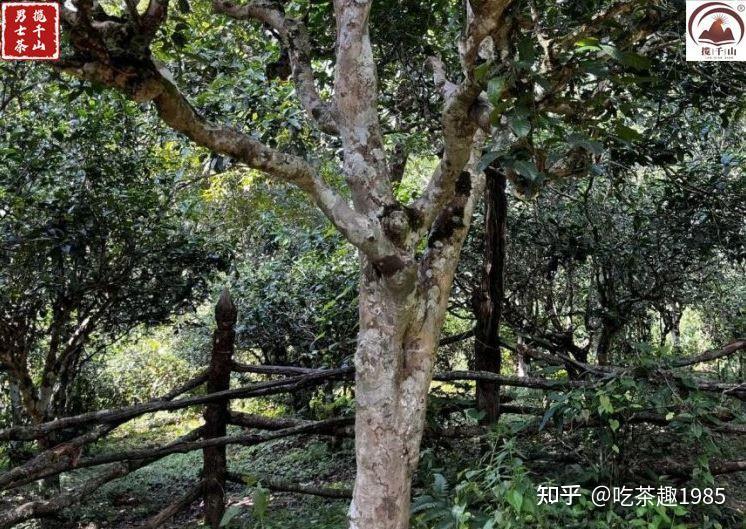
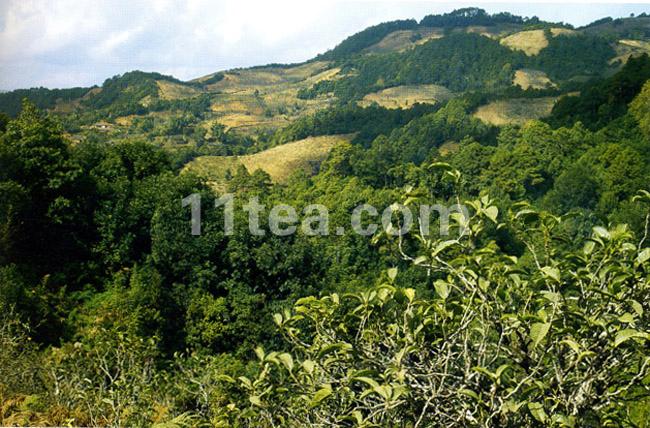
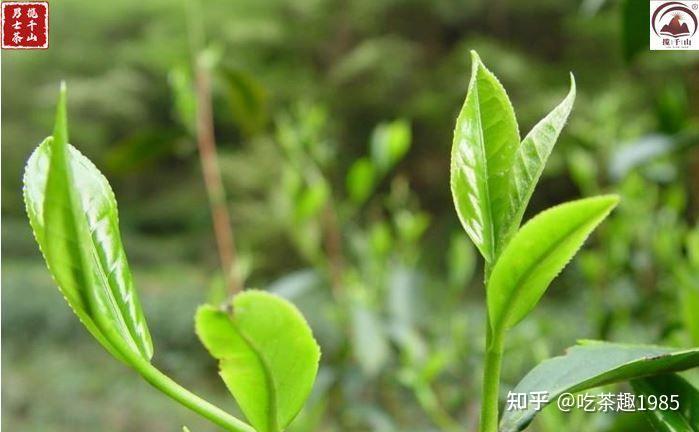
Images of Xiaojinggu Tea Gardens
If you're reading this, you'd probably enjoy
Other tea mountains and regions in the Pu'er City family.
Ailao Mountain Tea Region
5 minGuide to Ailao Mountain, a tea-producing region in Yunnan known for its high-altitude tea gardens and unique mountain terroir characteristics.
Read guide →Ailao Mountain Tea Region (Complete Guide)
7 minComprehensive guide to Ailao Mountain tea region in Yunnan, covering its geographical features, tea characteristics, and significance in the broader Pu-erh tea landscape.
Read guide →Jingmai Mountain Tea Region
5 minGuide to Jingmai Mountain, a UNESCO World Heritage site in Pu'er City known for its ancient tea gardens, unique terroir, and culturally significant tea production heritage.
Read guide →Jingmai Mountain Tea Region Summary
3 minQuick reference guide to Jingmai Mountain tea characteristics and production notes.
Read guide →Kunlu Mountain Tea Region
3 minOverview of Kunlu Mountain tea region, its characteristics and place in the Yunnan tea production landscape.
Read guide →Kunlu Mountain Tea Region (Complete Guide)
7 minComprehensive guide to Kunlu Mountain tea region, covering its characteristics, production methods, and significance in Yunnan tea culture.
Read guide →Pu'er City Tea Region Overview
12 minComprehensive guide to Pu'er City, the namesake region of Pu-erh tea, covering major sub-regions including Jingmai Mountain, Wuliang Mountain, and their unique tea characteristics and cultural significance.
Read guide →Wuliang Mountain Tea Region
3 minGuide to Wuliang Mountain tea region characteristics and production overview.
Read guide →Wuliang Mountain Tea Region (Complete Guide)
7 minComprehensive guide to Wuliang Mountain tea region, covering its unique characteristics, production methods, and place in Yunnan tea culture.
Read guide →Xiaojinggu Tea Region Overview
3 minQuick overview of Xiaojinggu tea region characteristics and production notes.
Read guide →Pu'er City Tea Overview (Detailed)
15 minIn-depth overview of Pu'er City tea region with comprehensive analysis of sub-regions, production characteristics, and tea quality profiles.
Read guide →Xiaohusai (小户赛) - Complete Guide to Yunnan's Rising Tea Region
18 minComprehensive guide to Xiaohusai, the emerging Pu-erh tea region known as 'Sai Bingdao' for rivaling famous Bingdao tea. Covers history, village composition, tea enterprises, and quality characteristics.
Read guide →Bangdong Tea Region Deep Dive
8 minComprehensive guide to Bangdong tea region in Lincang, known for its unique rocky terroir, Bangdong large-leaf varietal, and distinctive 'rock rhyme' mineral characteristics.
Read guide →