Wuliang Mountain Tea Region (Complete Guide)
Comprehensive guide to Wuliang Mountain tea region, covering its unique characteristics, production methods, and place in Yunnan tea culture.
Wuliang Mountain is a vast mountain range in Pu’er City with diverse tea gardens, known for producing teas with fresh and vibrant characteristics.
What it actually tastes like
Wuliang Mountain teas offer a diverse range of profiles due to the vastness and varied microclimates of the mountain range. Generally, they are known for their fresh and vibrant character. Many Wuliang Mountain teas exhibit clear floral or fruity notes, a refreshing sweetness, and a clean, crisp taste. The liquor can range from light to medium-bodied, with a smooth texture. The cha qi of Wuliang Mountain teas is often described as refreshing and uplifting, providing a sense of clarity and energy. Teas from this region are appreciated for their natural and unadulterated flavor, reflecting the pristine environment in which they grow.
In plain English: Wuliang is the “everyday Pu-erh” that doesn’t ask for patience. Light, clean, slightly floral - it drinks closer to a good green tea than to a punchy raw Pu-erh. Good for someone trying Pu-erh for the first time.
Where it sits
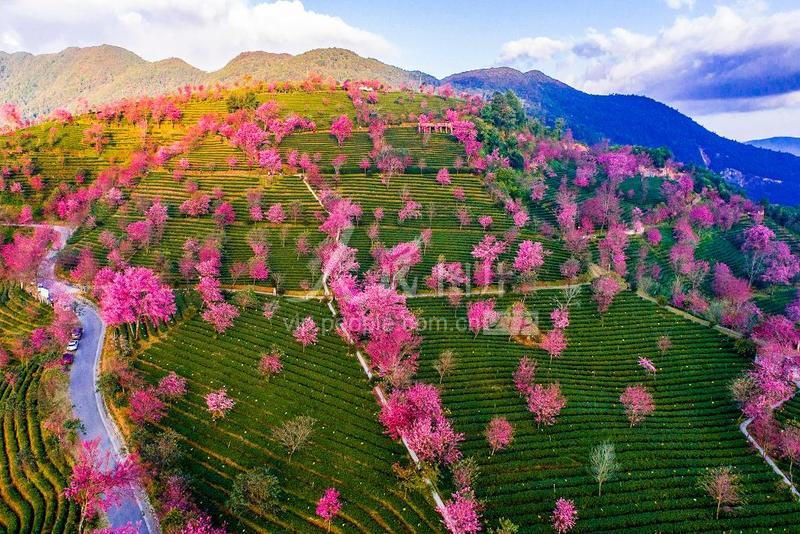
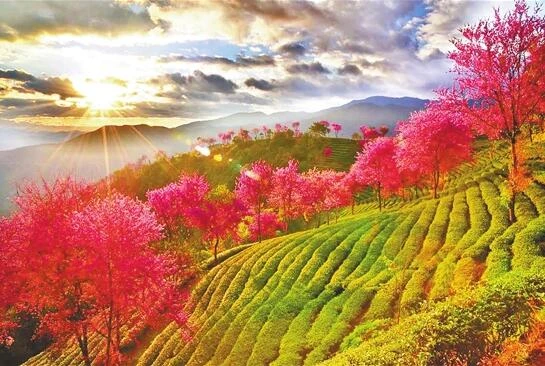
Wuliang Shan is one of the most biodiverse mountain ranges in Yunnan. Tea gardens stretch from roughly 1,000 m up to over 3,000 m, and that elevation range means the tea from a lower-slope garden and a high-altitude one can taste like different categories. The Wuliang reserve protects a lot of old-growth forest, and there’s a famous cherry blossom festival in winter that draws crowds.
How to brew it
Wuliang doesn’t need a heavy hand. 7-8g in a 100ml gaiwan, boiling water, 5-8s first steep, +3s per infusion. It will go 8-10 infusions before it starts to thin out. If you push past 10s on the first steep, you’ll start to lose the floral note.
What to look for when you buy
- Wuliang is a broad region - ask the vendor which specific village or slope. Jingxing and Anle are reliable.
- Spring plucking for the floral version; autumn for a slightly earthier, thicker cup.
- Don’t overpay for Wuliang - it’s not a premium-priced region, so a cake at 800+ CNY/357g should make you suspicious.
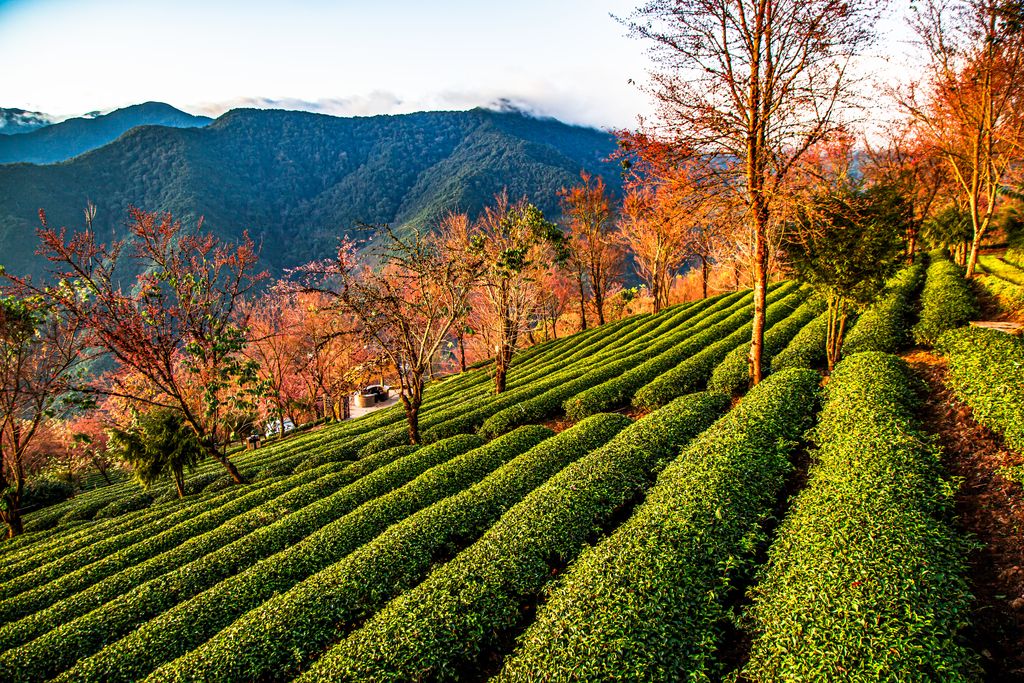
Images of Wuliang Mountain Tea Gardens
If you're reading this, you'd probably enjoy
Other tea mountains and regions in the Pu'er City family.
Ailao Mountain Tea Region
5 minGuide to Ailao Mountain, a tea-producing region in Yunnan known for its high-altitude tea gardens and unique mountain terroir characteristics.
Read guide →Ailao Mountain Tea Region (Complete Guide)
7 minComprehensive guide to Ailao Mountain tea region in Yunnan, covering its geographical features, tea characteristics, and significance in the broader Pu-erh tea landscape.
Read guide →Jingmai Mountain Tea Region
5 minGuide to Jingmai Mountain, a UNESCO World Heritage site in Pu'er City known for its ancient tea gardens, unique terroir, and culturally significant tea production heritage.
Read guide →Jingmai Mountain Tea Region Summary
3 minQuick reference guide to Jingmai Mountain tea characteristics and production notes.
Read guide →Kunlu Mountain Tea Region
3 minOverview of Kunlu Mountain tea region, its characteristics and place in the Yunnan tea production landscape.
Read guide →Kunlu Mountain Tea Region (Complete Guide)
7 minComprehensive guide to Kunlu Mountain tea region, covering its characteristics, production methods, and significance in Yunnan tea culture.
Read guide →Pu'er City Tea Region Overview
12 minComprehensive guide to Pu'er City, the namesake region of Pu-erh tea, covering major sub-regions including Jingmai Mountain, Wuliang Mountain, and their unique tea characteristics and cultural significance.
Read guide →Wuliang Mountain Tea Region
3 minGuide to Wuliang Mountain tea region characteristics and production overview.
Read guide →Xiaojinggu Tea Region
5 minGuide to Xiaojinggu tea region in Pu'er City, known for its unique terroir and tea production characteristics in the broader Yunnan tea landscape.
Read guide →Xiaojinggu Tea Region Overview
3 minQuick overview of Xiaojinggu tea region characteristics and production notes.
Read guide →Xiaohusai (小户赛) - Complete Guide to Yunnan's Rising Tea Region
18 minComprehensive guide to Xiaohusai, the emerging Pu-erh tea region known as 'Sai Bingdao' for rivaling famous Bingdao tea. Covers history, village composition, tea enterprises, and quality characteristics.
Read guide →Bangdong Tea Region Deep Dive
8 minComprehensive guide to Bangdong tea region in Lincang, known for its unique rocky terroir, Bangdong large-leaf varietal, and distinctive 'rock rhyme' mineral characteristics.
Read guide →Fengqing Tea Region
6 minGuide to Fengqing tea region in Lincang, famous for both black tea (Dianhong) and Pu-erh production, known for balanced and approachable tea characteristics.
Read guide →