China's Livestream Tea Crackdown: When the Story Stopped Selling
CCTV's investigation into fake farmers and counterfeit ancient-tree Pu'er has shaken confidence in livestream tea. Here is what happened, what changed, and what it means for buyers and honest sellers.
China has not banned livestream tea. But in the space of a few months, it has made the old anything-goes model much harder to defend.
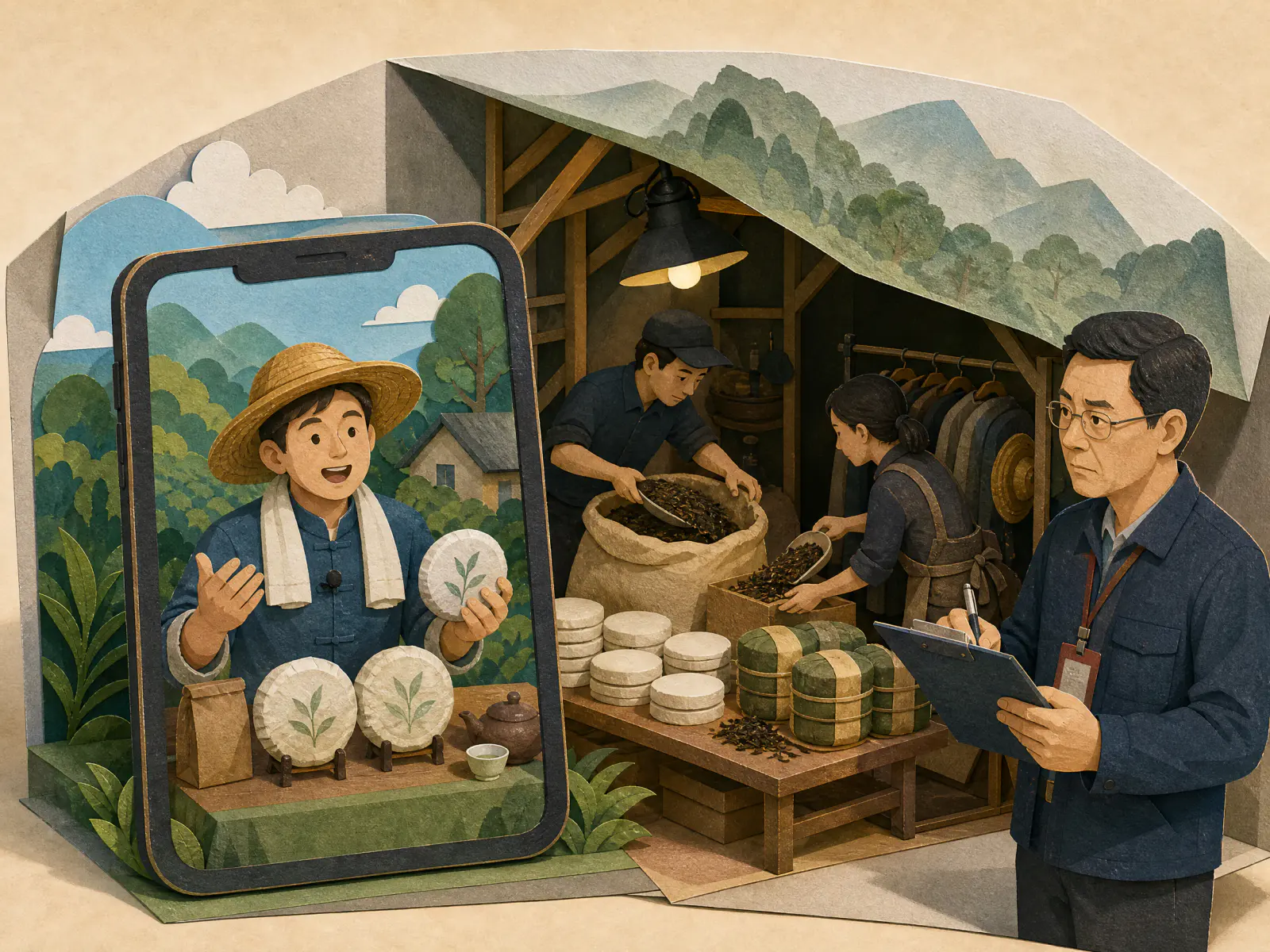
New national rules now require platforms, livestream operators and marketing agencies to verify who is selling, who is presenting and where the food came from. Then, on 21 June 2026, CCTV’s Financial Investigation programme showed why those rules matter: ordinary tea presented as famous-mountain, ancient-tree Pu’er; hired actors presented as struggling farmers; village settings used as theatre; and the language of “farmer aid” used to make buyers lower their guard.
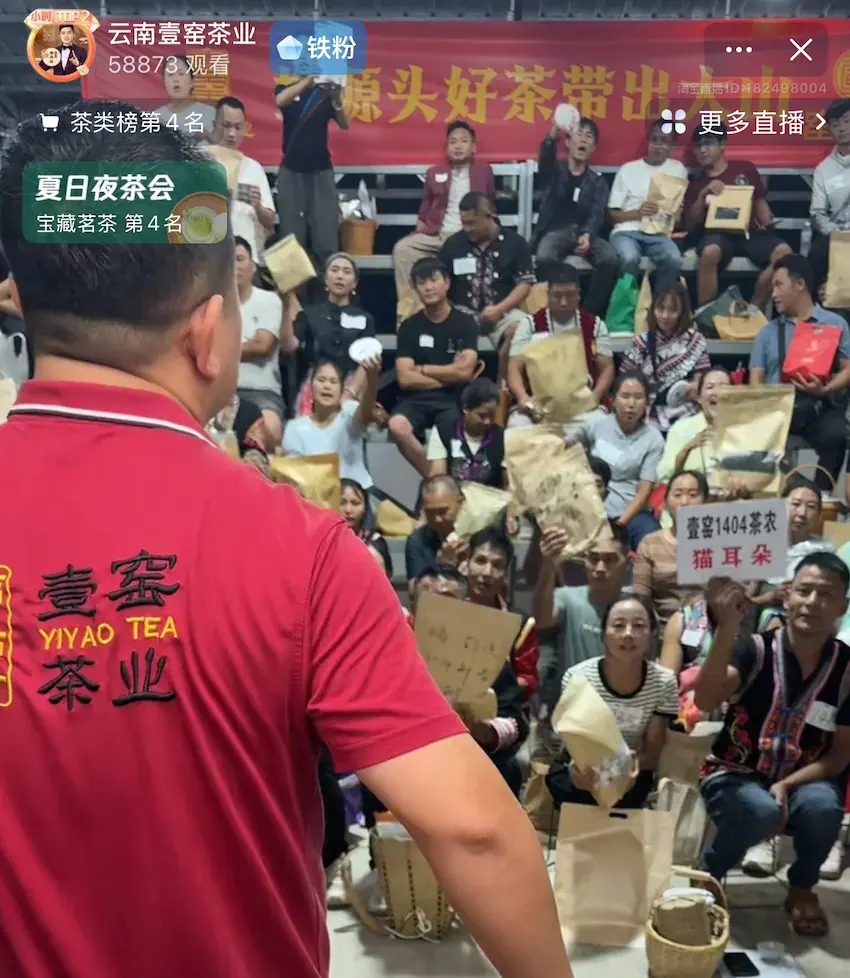
The damage goes beyond the accounts named in the programme. The investigation hit the central promise of livestream tea across Douyin, Taobao Live, Kuaishou, WeChat-style private rooms and similar channels: that the camera was bringing the buyer closer to the source. The hero art interprets that staged access; documentary stills from 《财经调查》, 21 June 2026 appear below.
What CCTV found
The full CCTV investigation is worth watching even if you do not understand every line of Mandarin. Much of the story is visible: the staged rooms, the repeated scripts, the supposed farmers sitting in rows and the implausibly cheap “ancient-tree” products.
Among the findings reported by CCTV and subsequently summarized by Chinese media:
- Some livestream teams hired local people to play tea farmers. In one setting, 20 of 27 supposed farmers were reportedly actors.
- Operators rented village or community spaces to make the broadcast look officially connected to the place.
- Low-grade or ordinary tea was sold as material from famous locations including Mansong, Bingdao and other prestige-producing areas.
- Presenters used phrases such as “core production area,” “pure ancient-tree material,” “auction grade” and “suitable for collection.”
- The emotional frame was often “助农惠农” — helping and benefiting farmers — even when the real economics depended on large commissions and cheap supply.
- Customers could be moved from a public platform into private groups or private livestream rooms, where product claims, transactions and after-sales disputes were less visible.
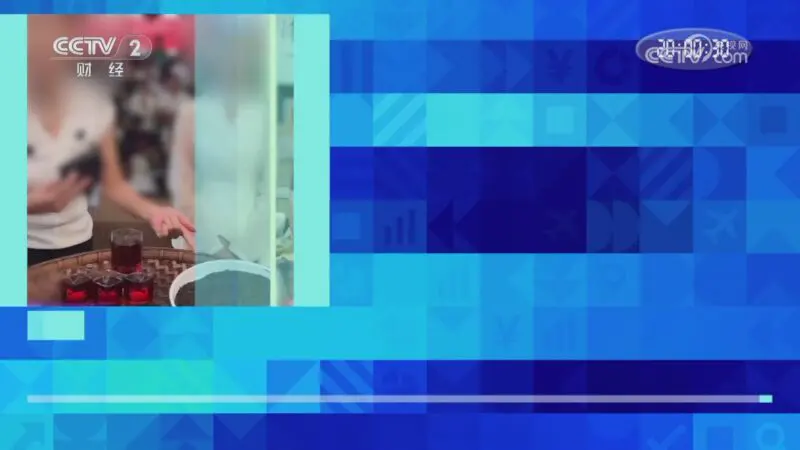
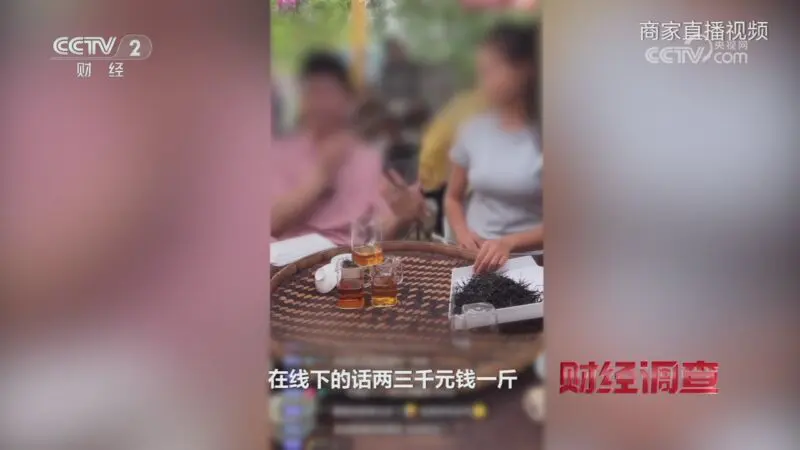
The strongest part of the investigation was not that fake tea exists. Tea buyers have known for years that wrappers, vintages, villages and tree ages can be invented. It was the demonstration that the entire appearance of direct access could be manufactured.
The farmer could be an actor. The village could be a rented set. The “special help” price could be a normal high-margin sale. Even the apparent conflict between a host and a reluctant farmer could be part of the script.
Why this caused such a confidence shock
Livestreaming solved a real problem for Chinese tea: loose-leaf tea is difficult to standardize and difficult to explain on a normal product page. A presenter can brew it, show the leaves, tell the story of the mountain and answer questions in real time. For small producers, it can turn a remote village into a national storefront.
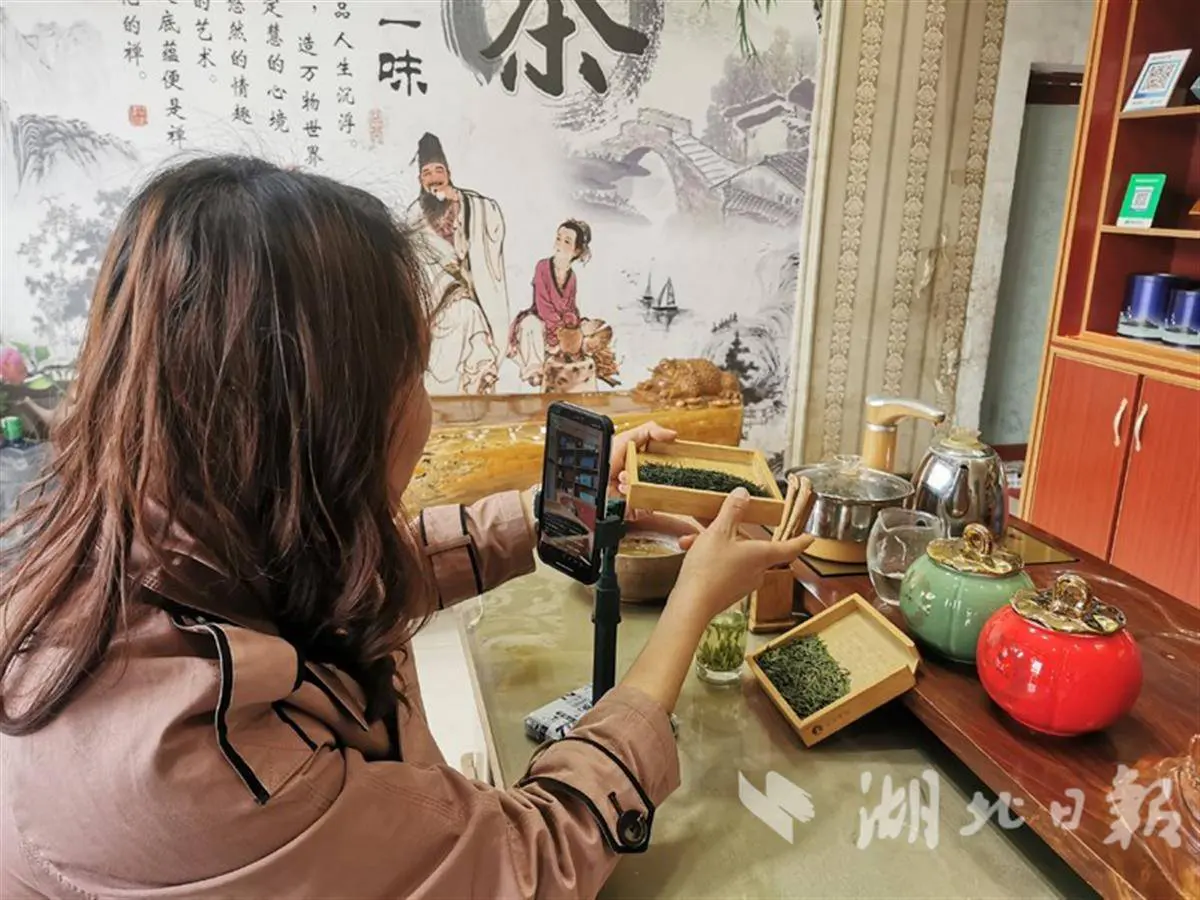
But that strength is also the weakness. Tea is an unusually easy product to narrate and an unusually hard product to verify from a screen. A buyer cannot reliably identify a village, tree age or harvest date by watching a host pour a cup.
Before the investigation, the visual cues of authenticity were persuasive:
- a tea garden behind the presenter;
- an older farmer with weathered hands;
- handwritten prices;
- villagers gathered around sacks of tea;
- a claim that there are “no middlemen”;
- a short countdown before the farmer supposedly changes their mind.
After CCTV showed how these cues could be staged, they became warning signs. That is why the loss of confidence spread beyond the named accounts. The same format appears across multiple platforms, and consumers know that sellers can reopen under new names or move followers into private groups.
The crackdown was already arriving
The CCTV programme did not create the regulatory change. It arrived just after two major sets of national rules took effect.
China’s Measures for the Supervision and Administration of Livestream E-commerce, effective 1 February 2026, require platforms and operators to verify identities, sellers, licences and product records. They also require closer monitoring of large or repeatedly non-compliant rooms and permit measures including traffic limits, suspension, account closure, re-registration bans and blacklisting.
Food-specific livestream safety rules, effective 20 March, go further. Tea livestreams must check suppliers and qualification documents, and operators must review the product, script, presenter, set and props before broadcasting. Relevant records generally have to be kept for at least three years.
This is particularly important for the use of scenery. Under the new system, the background is not harmless decoration if it is being used to mislead a buyer about origin or identity.

The day after the programme aired, the Yunnan Tea Industry Association called for an immediate investigation of Pu’er livestream rooms and severe punishment or removal of serious offenders. Its statement made an important point: many livestream teams claimed to remove the traditional middleman, while becoming a new, lightly accountable intermediary themselves.
How the marketplace has changed
1. Trust is moving from personality to paperwork
The strongest seller used to be the most convincing storyteller. Increasingly, the strongest seller will be the one who can show a stable business identity, traceable supply, testing, consistent pricing and usable after-sales service.
That favours established brands, producer cooperatives, official flagship stores and vertically integrated factories. It disadvantages disposable studios, white-label sellers and teams that change products faster than they can document them.
2. Famous-origin Pu’er is under the greatest pressure
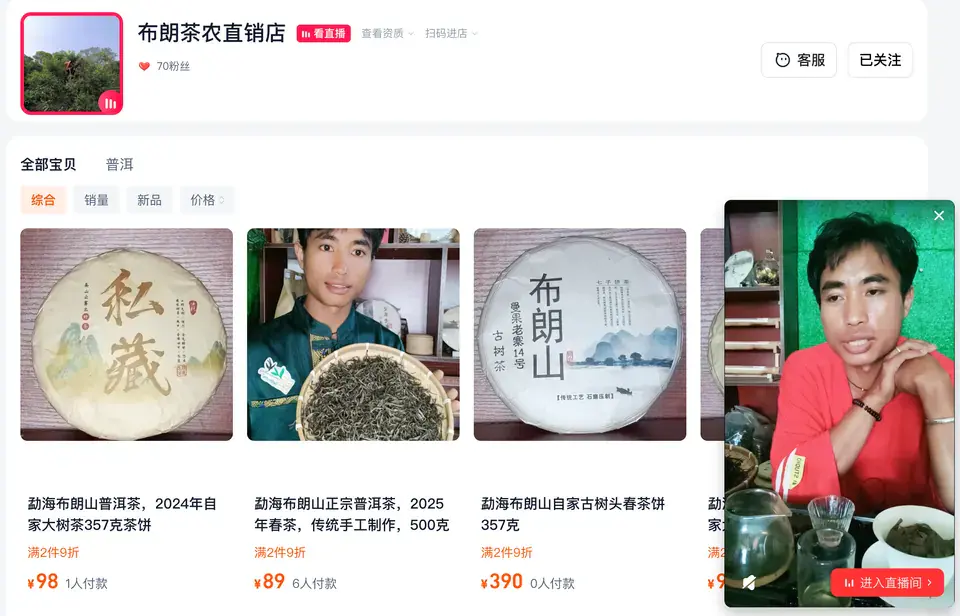
Pu’er carries claims that are valuable but difficult to verify: exact village, tree age, single-origin material, storage history, vintage and collectibility. A camera cannot prove any of them.
This segment was already weakening before the CCTV report. A 2026 Yunnan tea price index said Pu’er prices had fallen substantially over the preceding three years, while expecting the RMB300–800 per kilogram middle market to dominate ordinary consumption. The investigation did not create that decline, but it is likely to accelerate the move away from vague, story-heavy premiums.

3. Honest farmers are collateral damage
The saddest consequence is that genuine direct sellers now inherit the suspicion created by fake ones. A real farmer with a phone and a small shop may look less polished than a studio with actors, paid traffic and a rehearsed script.
The scandal therefore risks reversing the original promise of agricultural livestreaming. Instead of helping small producers overcome distance, it may push consumers toward large brands simply because those brands are easier to hold accountable.

4. Livestreaming itself is not disappearing
This is a cleanup and formalization, not a blanket shutdown. According to figures reported by Xinhua, China’s tea industry generated about RMB37 billion in online retail sales in 2024, with livestream tea transactions exceeding RMB15 billion. Producing regions such as Anxi continue to actively support compliant livestream commerce.
Large brands are also still investing. Bama Tea reported that its online gross merchandise value rose 4.4% in 2025 to RMB875.5 million, using livestreaming alongside short video, influencers and conventional e-commerce.
The model remains too useful to abandon. The question is which version survives.
What buyers should now look for
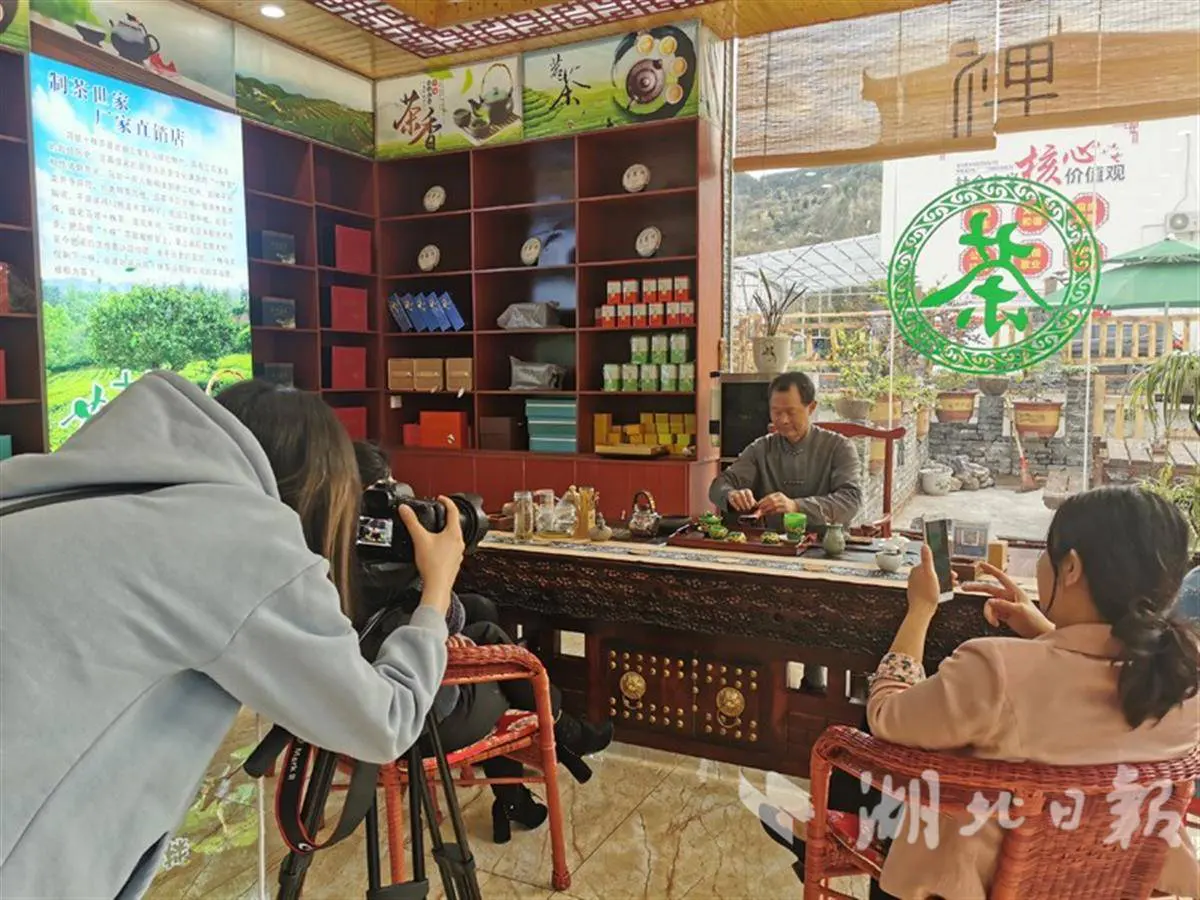
I would treat a livestream as a way to discover a seller, not as proof that the seller’s claims are true.
Useful signs include:
- a real registered business name that matches the store and payment recipient;
- a long, consistent product history rather than a constantly changing account;
- realistic prices for the claimed origin;
- batch, production and food-safety information;
- clear returns and after-sales arrangements;
- the ability to buy through a platform-protected transaction;
- repeat customers discussing the tea itself, not only the host;
- claims that remain consistent outside the livestream.
Red flags include private-payment pressure, unbelievable famous-mountain prices, investment promises, actors arguing over a “final” bag of tea, sudden claims of government or village endorsement, and any seller who treats basic provenance questions as an attack.
I have written before about why tea fraud makes me paranoid. The CCTV investigation adds a new layer: we can no longer assume that seeing the source is the same as verifying it.
My conclusion
The most important effect of the crackdown is not a single price move or a list of closed accounts. It is a change in the burden of proof.
For years, livestream tea asked the buyer to trust what was visible: the farmer, the mountain, the room, the brewing table and the host’s apparent sincerity. The CCTV investigation showed that all of those things could be production design.
The next phase of China’s livestream tea market will still use cameras. But confidence will return only when the camera is backed by records, consistent products, accountable sellers and enough transparency to survive after the broadcast ends.
Sources and further viewing
- CCTV Financial Investigation: “The livestream tea-selling scam disguised as farmer aid”
- Yunnan Tea Industry Association response and call for enforcement
- China’s 2026 livestream e-commerce supervision measures
- China’s food-livestream operator safety rules
- China Tea Marketing Association market figures reported by Xinhua
- Bama Tea 2025 annual report
Quick answers
Frequently asked questions
What did China's livestream tea investigation find?
The investigation documented staged farmer identities, misleading origin and tree-age claims, and ordinary tea presented as scarce premium material. The findings concerned specific sellers and practices, not every livestream vendor.
Are all tea livestreams fraudulent?
No. Livestreaming is a sales format, not proof of honesty or fraud. Evaluate the exact village, batch, harvest, processor, price plausibility, return terms and continuity between the tea shown and the tea delivered.
How can I buy Pu-erh more safely from a livestream?
Prefer precise lot information, protected payment, a sample-first return policy and sellers with consistent records over time. Treat costumes, scenery, audience size and dramatic bargaining as presentation rather than provenance evidence.